Turning Conservation
into Community Impact
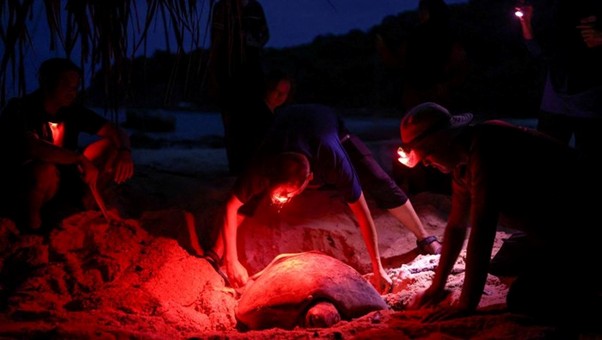
A SEATRU Turtle Ranger measures the length of a turtle’s carapace — an important step in tracking its growth compared to previous nesting seasons.
By Mohd Uzair Rusli (INOS)
Nearly two decades ago, I first arrived at the Chagar Hutang Turtle Research Station on Redang Island as a university student. I never imagined it would become such an enduring part of my life. Today, I am not only a researcher but also an educator, a manager, and a custodian of a long-standing mission for sea turtle conservation.
What began as a scientific initiative to monitor turtle nesting has since evolved into a comprehensive conservation movement. The Sea Turtle Research Unit (SEATRU) of Universiti Malaysia Terengganu (UMT) now operates with a focus on three core pillars: (i) scientific research, (ii) conservation, and (iii) public education.
In the early years of our conservation efforts at Chagar Hutang, SEATRU took bold steps by purchasing turtle eggs from licensed collectors and egg gatherers to ensure they could be safely incubated. At the time, this may have seemed like a small act, but it ultimately proved to be a vital measure that helped save thousands of hatchlings.
A significant turning point came in 1996, when the Sea Turtle Volunteer Program was launched at Chagar Hutang. This initiative opened the door for members of the public, especially university students and nature enthusiasts, to work alongside researchers at the station. Since then, more than 5,000 individuals have joined the programme, and they continue to play a vital role in sustaining its operations.
The true measure of success in sea turtle conservation projects should not lie solely in the number of eggs incubated but in the tangible benefits returned to the community. Conservation should be inclusive, and its impact should be shared broadly and equitably. This principle is why many countries have ended the commercial sale of turtle eggs, recognising that such practices often benefit only a small group and are ultimately unsustainable.
Following the 2021 amendment to the Terengganu Turtle Enactment, which bans the commercial sale of turtle eggs, there is a pressing need to establish an alternative and sustainable economic model. In response, the “Terengganu Turtle Tourism” campaign was jointly launched with the Terengganu State Government on June 16, 2023. This campaign brings together conservation stakeholders and strategic partners with a shared goal to support tourism operators in developing sustainable, turtle-based ecotourism products.
We may still carry the trauma of uncontrolled tourism in Rantau Abang during the 1980s and 90s, but shutting down the entire sector due to past mismanagement is not a solution. Avoidance cannot be the answer.
We firmly believe that with proactive stewardship from the Terengganu State Government, particularly through the Department of Fisheries, and through collaboration with strategic partners, conservation efforts can deliver broader and more impactful benefits to local communities.
Nature-based tourism inherently carries risk. However, with stronger participation from stakeholders and the advancement of scientific knowledge, Malaysia is now better positioned to explore the opportunities within the blue economy responsibly.
Terengganu, for instance, is home to about 52 active turtle nesting beaches. Empowering strategic partners on the ground could reduce the burden on government agencies. With proper regulation and monitoring, it is feasible to reopen turtle-watching activities, such as observing nesting and hatchling releases, under sustainable tourism models.
Imagine the economic spillover for coastal communities if more nesting beaches were accessible to the public. The 244 km stretch of shoreline from Kemaman to Besut could become a vital economic corridor.
Another emerging product is snorkelling with turtles, which has seen rapid popularity. Every weekend, tourists flock to the Redang Island Marine Park to swim with turtles. The question, however, remains: can this product be sustained? Are our current practices aligned with the best standards for marine wildlife tourism?
At SEATRU, Universiti Malaysia Terengganu has initiated research into the potential health impacts of such interactions on turtles. However, these studies are still in their infancy and require greater support. To accelerate scientific inquiry, increased funding is essential.
There have been concerning reports in the media and on social platforms about unsustainable practices. Some operators have been seen forcibly bringing turtles to the surface for photo opportunities. Others go so far as to place clownfish into bottles just to entertain tourists.
This raises critical questions:Are service providers in our marine parks properly educated and trained? What controls are in place to govern their operations? These are high-risk tourism products not only for the safety of tourists but also for the well-being of our marine wildlife. What would happen to local operators if we banned these activities entirely? A win–win approach is needed.
UMT has hosted several dialogue sessions with boat operators, but their demanding schedules often limit participation. In response, we introduced the concept of the “outdoor classroom”, a designated open-air education space at Chagar Hutang where marine conservation learning can take place more comfortably. By bringing tourists to the Chagar Hutang Turtle Sanctuary, we believe tour operators can also be indirectly educated through experiential learning.
In terms of protecting turtles in the water, spatial studies are being conducted to map turtle movement and boat traffic routes. These data will support management decisions grounded in Marine Spatial Planning (MSP), a strategy that balances ecological sustainability with economic needs.
To date, much of our turtle conservation effort has focused on terrestrial protection. Land-based studies have largely informed policies and management decisions. Yet over 99% of a sea turtle’s life is spent in the ocean.
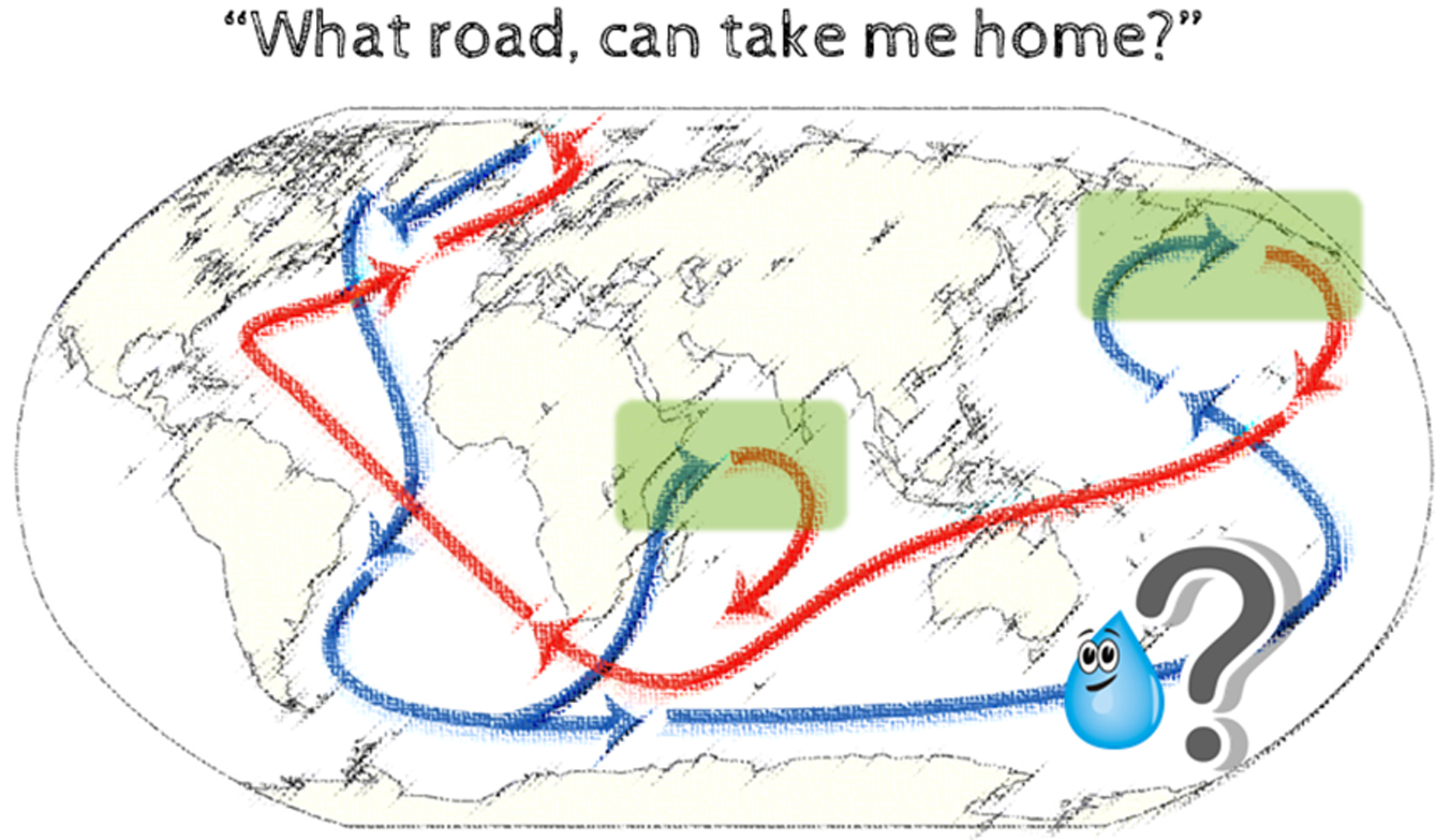
We need greater support to expand research into marine habitats. For example, where do turtles go to feed after nesting? Seagrass meadows are crucial to their survival. Moreover, sea turtles are migratory and traverse international waters. Are they safe along these journeys?
A further challenge is addressing fundamental public questions: Why should they care about sea turtle conservation? What relevance does saving turtles have to someone in Kuala Lumpur? What would happen if sea turtles disappeared from our oceans?
These are key hurdles in marine conservation education. Ocean literacy remains low among the general public. Many do not realise that turtles are vital to balancing marine food webs.
Green turtles, for instance, graze on seagrass, keeping meadows healthy and providing habitat for juvenile fish. Leatherback turtles feed primarily on jellyfish, playing a natural role in controlling jellyfish blooms that could otherwise threaten fish eggs. In short, without sea turtles, fish stocks may decline.
Saving turtles is not merely about attracting tourists. It is about securing food security, preserving biodiversity, and ensuring the resilience of marine ecosystems. Conservation is about giving back to communities.
In conjunction with World Sea Turtle Day (June 16), I urge fellow conservationists, researchers, students, and the public not to see turtles merely as endangered animals but as a symbol of our relationship with the ocean and a mirror of how we value the ecosystems that sustain life on Earth.
The Chagar Hutang Turtle Research Station is more than just a beach where turtles nest. It is a living classroom, where we all learn the value of passion, patience, and care for the natural world. As the third generation of SEATRU, we recognise that our mission is not just to continue a legacy but to expand its impact and inspire those who will follow in our footsteps.
*Assoc. Prof. Dr. Mohd Uzair Rusli is a turtle expert actively involved in marine wildlife conservation efforts and currently serves as the lead researcher of the Sea Turtle Research Unit (SEATRU) at Universiti Malaysia Terengganu (UMT).
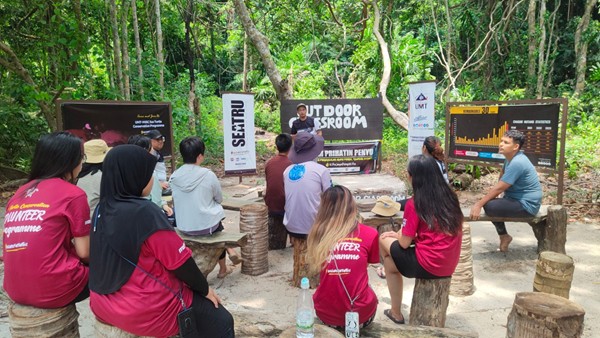
Team Lead, Associate Professor Dr. Uzair Rusli, delivering a briefing to participants upon their arrival at the Chagar Hutang Turtle Sanctuary.
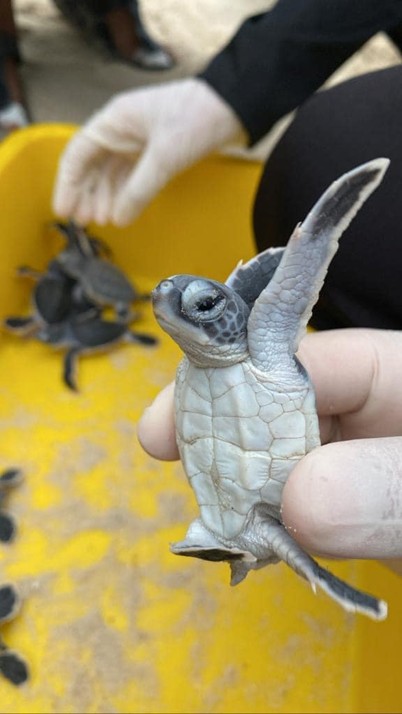
These sea turtle hatchlings were recently rescued during the nest excavation process. Not all hatchlings that successfully hatched from their eggs are able to dig their way out of the underground nest on their own.
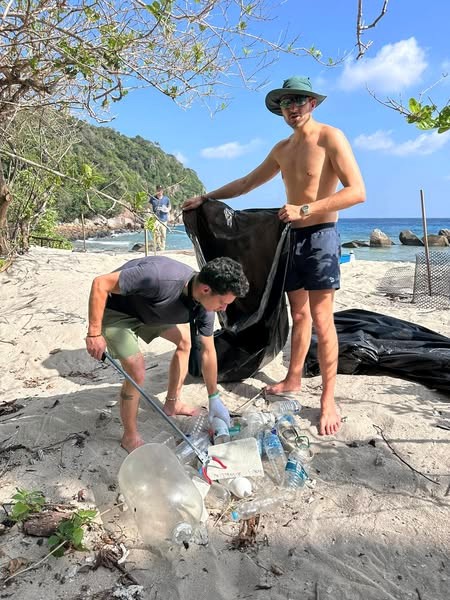
Sea turtle volunteers carry out beach clean-up activities during the day, an essential effort to ensure a clean and safe nesting ground for mother turtles. Although Chagar Hutang Turtle Sanctuary is located in a remote area, trash still ends up on its shores, brought in by ocean currents and wave action.
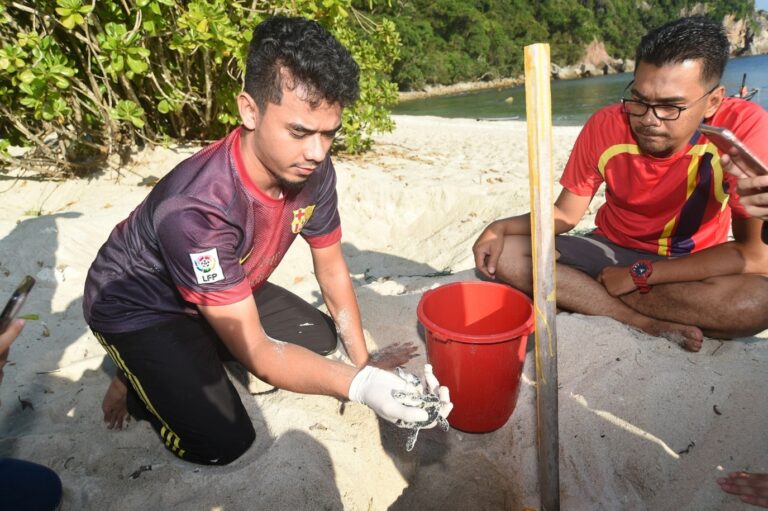
Mustaqim Rosdan, SEATRU’s Conservation Manager, showcases a hatchling retrieved from a nest during the excavation process. This procedure is crucial for assessing the hatching success rate and overall nest productivity.
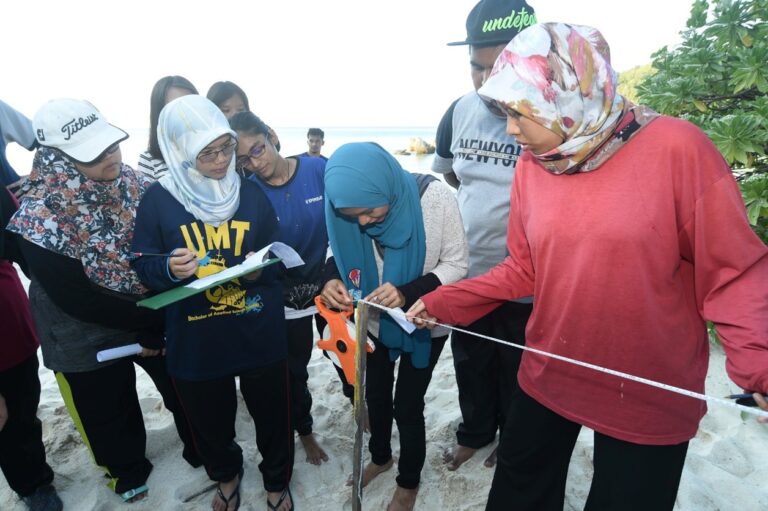
Sea turtle volunteers are trained to carry out nest marking, an important step in monitoring and protecting turtle nests throughout the incubation period.
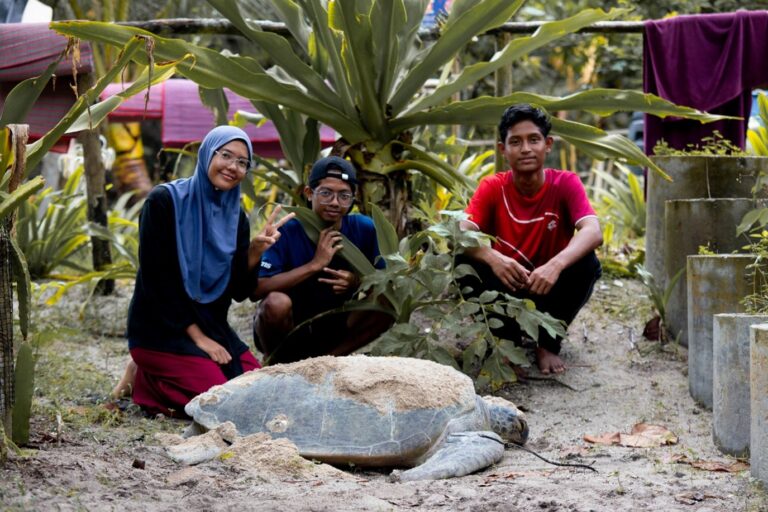
Three internship students from different universities pose with a nesting turtle in the early morning hours. SEATRU provides hands-on training to students from both local and international institutions, reflecting the university’s strong commitment to talent development in marine conservation.
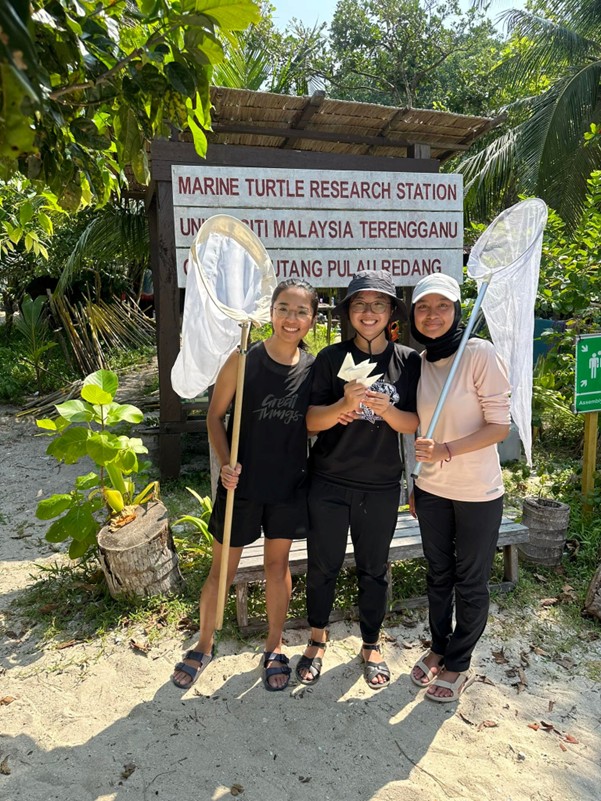
Three sea turtle volunteers attempt insect sampling at the Chagar Hutang Turtle Sanctuary, exploring the broader ecological interactions that support the sanctuary’s biodiversity.
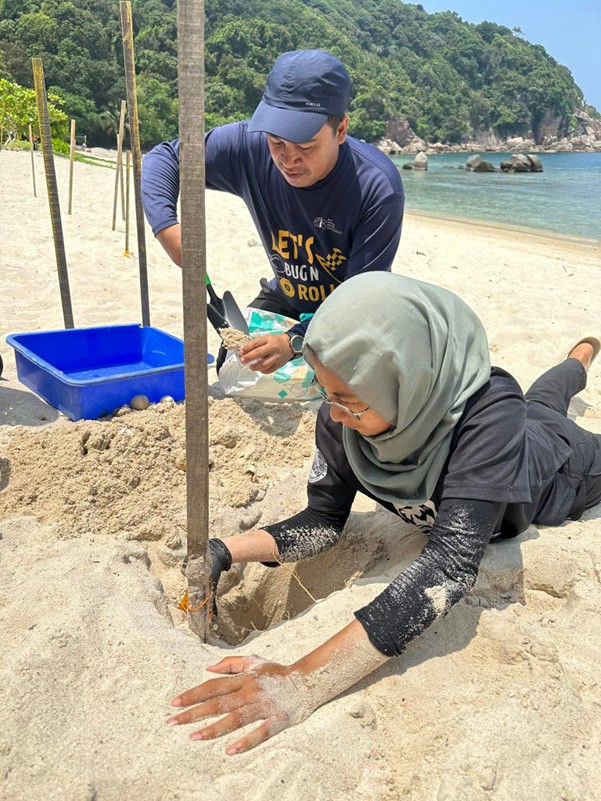
Soil microbiota sampling activity is conducted to understand the diversity of organisms that may influence the incubation process of sea turtle eggs.
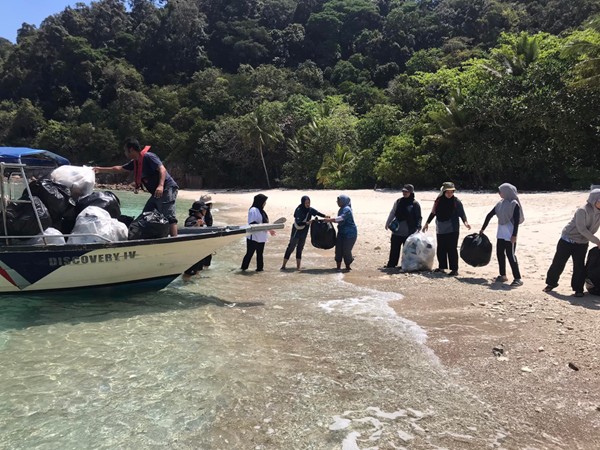
Trash offloading activity from the island highlights the challenge of waste management in remote areas. With no on-site disposal options, the only solution is to bear the additional cost of transporting the waste back to the mainland for proper handling.
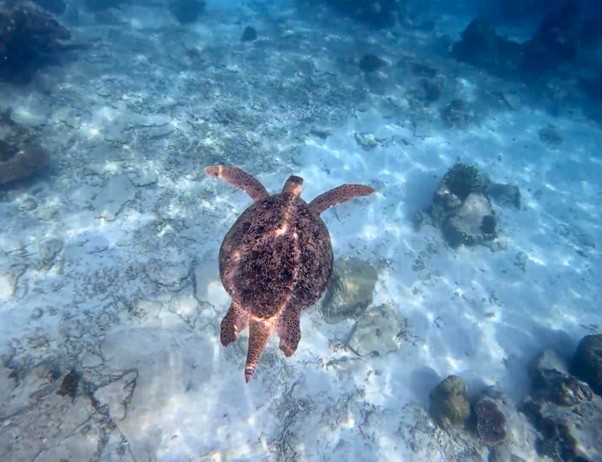
An adult male green turtle is seen swimming near the shores of Chagar Hutang, a location well known as an important breeding area for this endangered species.
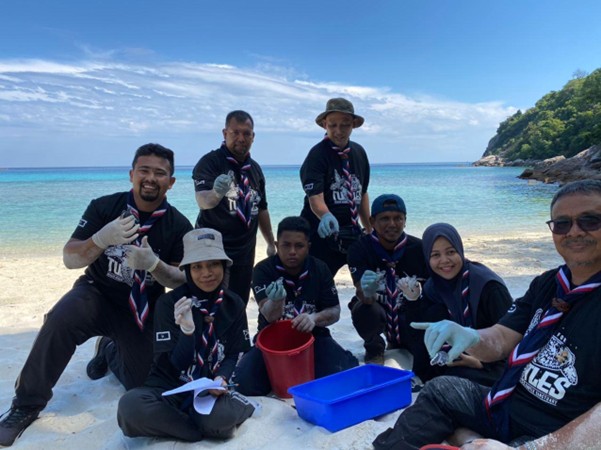
Members of the Kuala Terengganu Scout team participate in sea turtle volunteer activities, contributing to conservation efforts at the sanctuary.