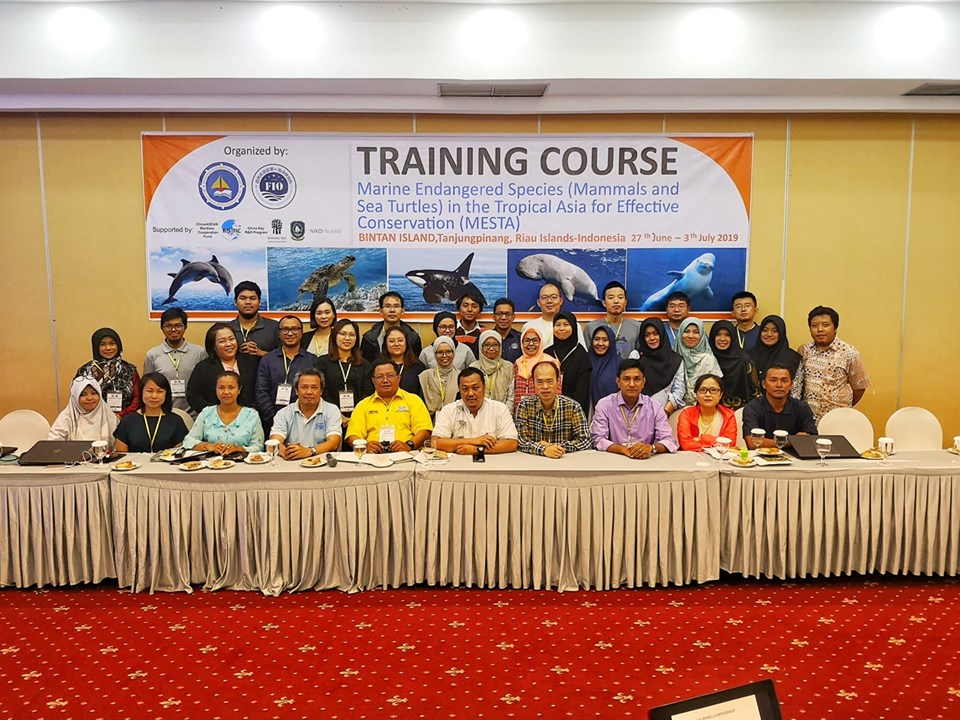
Training Course: Marine Endangered Species (Mammals and Sea Turtles) in the Tropical Asia for Effective Conservation (MESTA).
Tanjung Pinang, Bintan Island, Riau Islands-Indonesia | 27 June – 3 July 2019
Funded by China-ASEAN Maritime Cooperation Fund and UNESCO/IOC-WESTPAC Sub-commission dan Universitas Maritim Raja Ali Haji (UMRAH).
OPENING BY RECTOR, UNIVERSITAS MARITIM RAJA ALI HAJI, INDONESIA
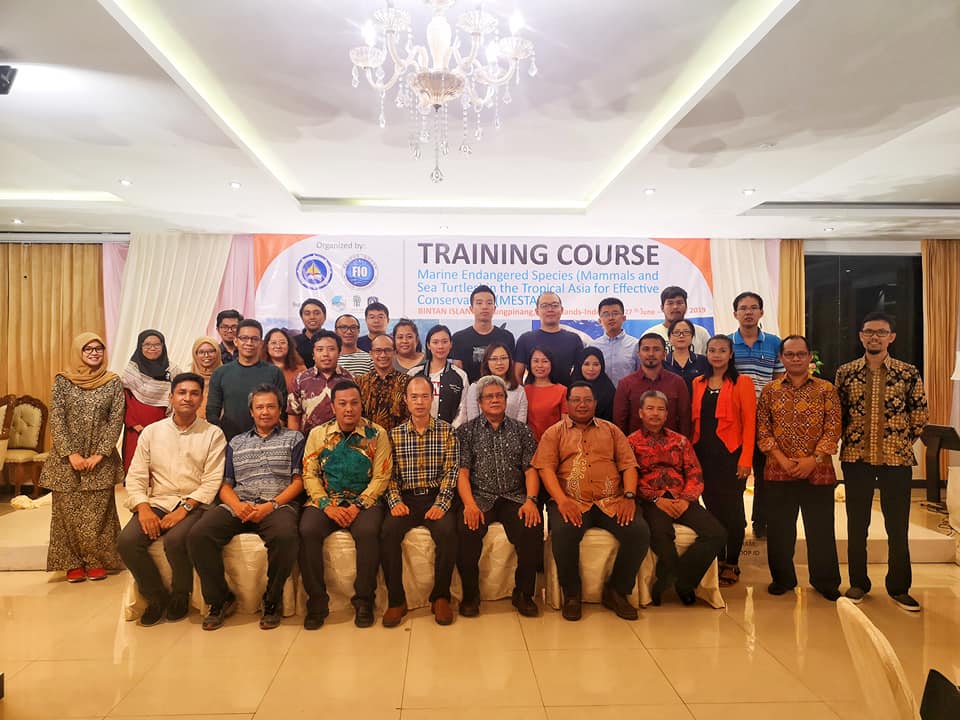
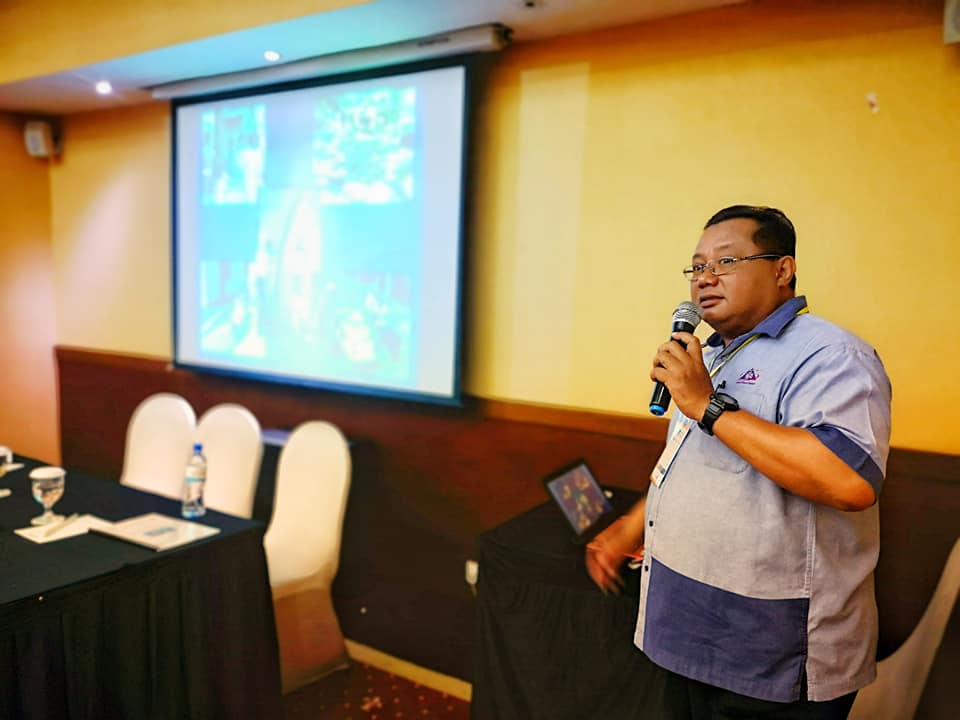
CLASSROOM
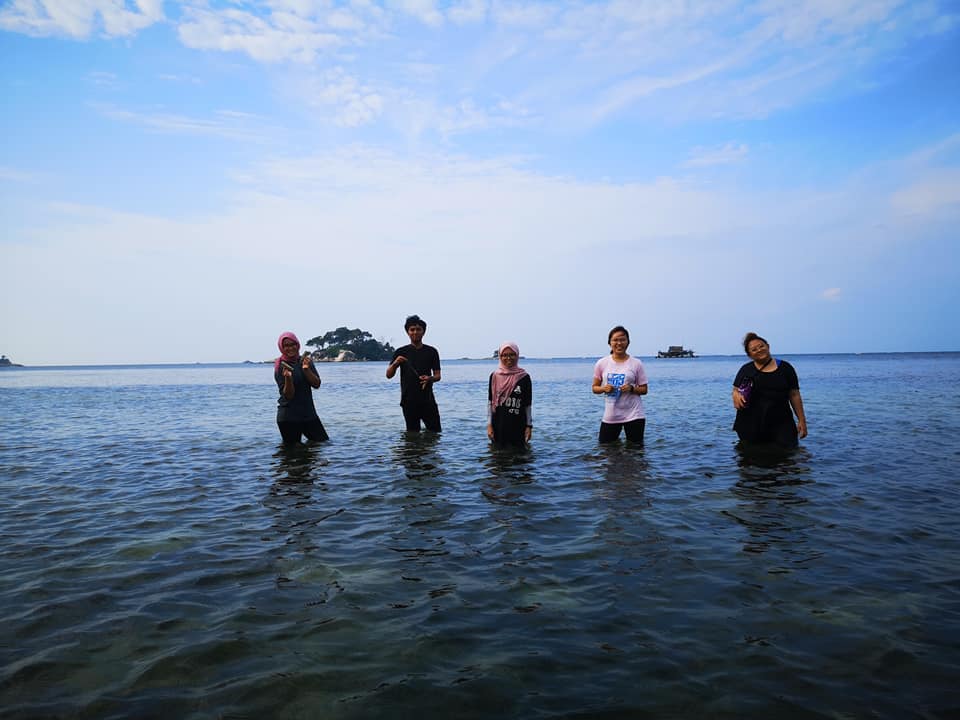
FIELDTRIP – SEAGRASS ECOSYSTEM
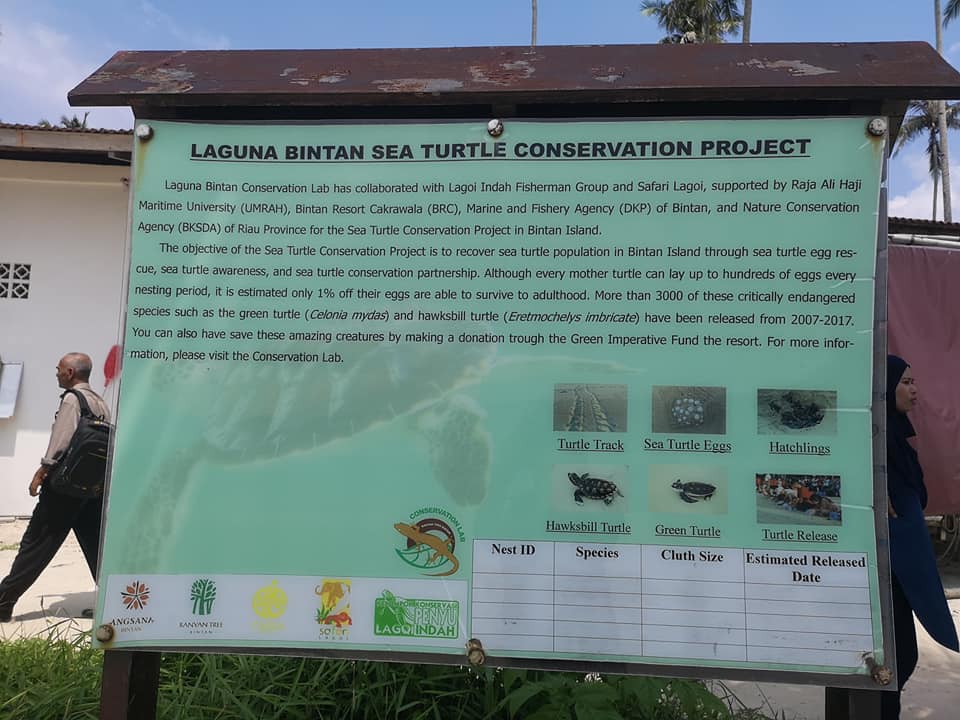
FIELDTRIP – SEA TURTLE CONSERVATION PROJECT
CLASS
- Introduction – Dr. Xuelei Zhang
- Fisherman and Coastal Community Interview Survey – Dr. Saifullah Arifin Jaaman
- Boat Sighting Survey – Dr. Saifullah Arifin Jaaman
- Photo ID Techniques for MES – Dolphins – Dr. Phaothep Cherdsukjai
- Photo ID Techniques for MES – Green Turtles – Mr. Chinnakorn Thongchai
- Photo ID Techniques for MES – Whale Sharks – Dr Lu Sun
- MES Observation with Biologgers – Bryde’s Whale – Dr. Patcharaporn Yaowasooth
- MES Observation with Biologgers – Sea Turtles – Dr. Kongkiat Kittiwatanawong and Dr. Lu Sun.
- UAV Technology and Applications for MES Observation – Principles and application with Fixed Wings UAV – Dr. Guangbo Ren.
- Application with Multi-rotor UAV – Dr. Lu Sun.
- Auto-detection of animals in the images – Dr. Tao Xia.
- Molecular studies of MES – Principles and General Cases – Dr. Zulqarnain Mohamed
- Green Turtles – Dr. Juanita Joseph.
- Bio-acoustics observation of MES – Principles and data analysis – Dr. Ying Jiang.
- Bio-acoustics observation of MES – Obervation methods and equipment – Dr. Zongwei Lu.
- Stranding Treatment and Data Analysis for MES – Watchara Sekornwimon
- Marine Mammals Conservation – Andrew Dixon
- Field Trip to Banyan Tree (Turtle Conservation) and Seagrass Ecosystem.
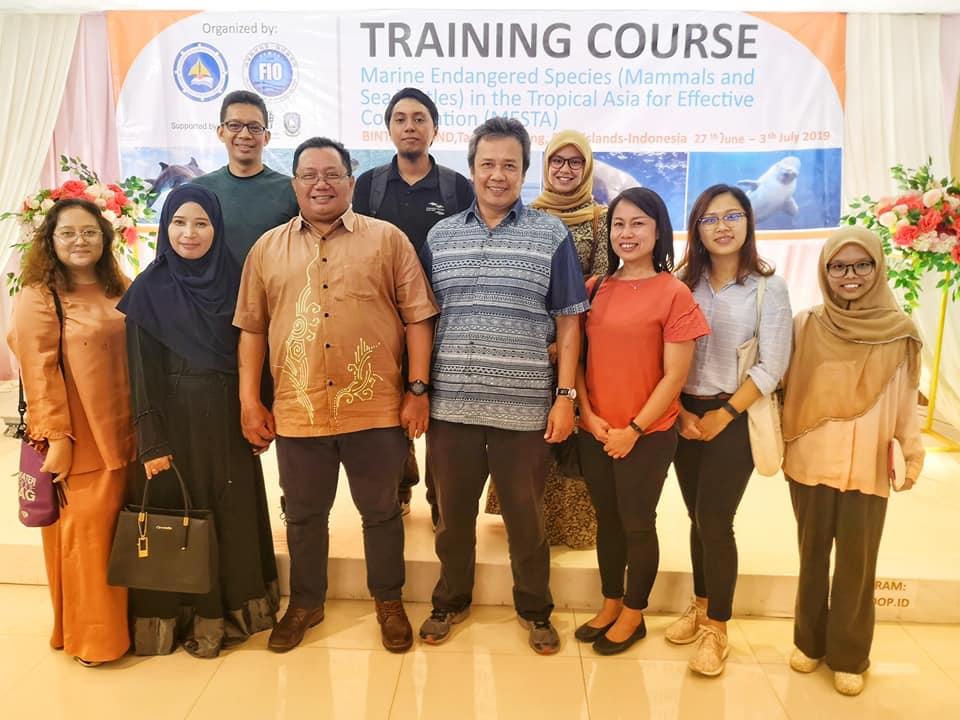
PARTICIPANTS FROM UMT
Prof. Madya Saifullah Arifin Bin Jaaman @ Sharman
Mohd Azam Mat Yaacob
Farah Dayana Binti Haji Ismail
Nurlisa Binti Azizul
Nurul Hidayah Abdul Rahim
Muhammad Fadhli Bin Mat Sobri