

Sunken Ships, Rising Ecosystems: The Artificial Reef Project in the Waters of Perhentian and Susu Dara Island

Written by: Azizi Ali

Artificial reefs from seized foreign vessels is an innovative idea by repurposing abandoned or seized ships and use them to create new habitats for marine life. These reefs can be created by sinking the vessels in designated areas and allowing coral and other marine organisms to grow on and around them. This helps to improve the local marine ecosystem and provides a new diving and snorkelling destination for tourists.

Additionally, seizing vessels can deter illegal fishing and smuggling operations, as the sunken ships can act as physical barriers. Therefore, creating artificial reefs from seized foreign vessels can provide a win-win solution for both the environment and the local economy.

That is why INOS and the Southeast Asian Marine Resource Institute (ISMAT) are working on a mapping project of seized vessels in the waters of the Perhentian and Susu Dara Islands.

Dr. Azizi Ali leads this project from the Ocean Mapping and Geospatial Research Group, INOS and Mr. Muhammad Amirullah from ISMAT. The mapping were conducted using a multi-beam system from July 3rd to 7th, 2022.

This project was aimed to determine the status of seized vessels anchored as artificial reefs from 2020 to 2021. INOS was responsible for carrying out the mapping.
This is an important project to ensure that the waters of the Perhentian and Susu Dara Islands remain healthy and preserved for future generations. We hope that the results of this project will provide the insight needed to take the necessary actions to protect our marine environment.


Abstract

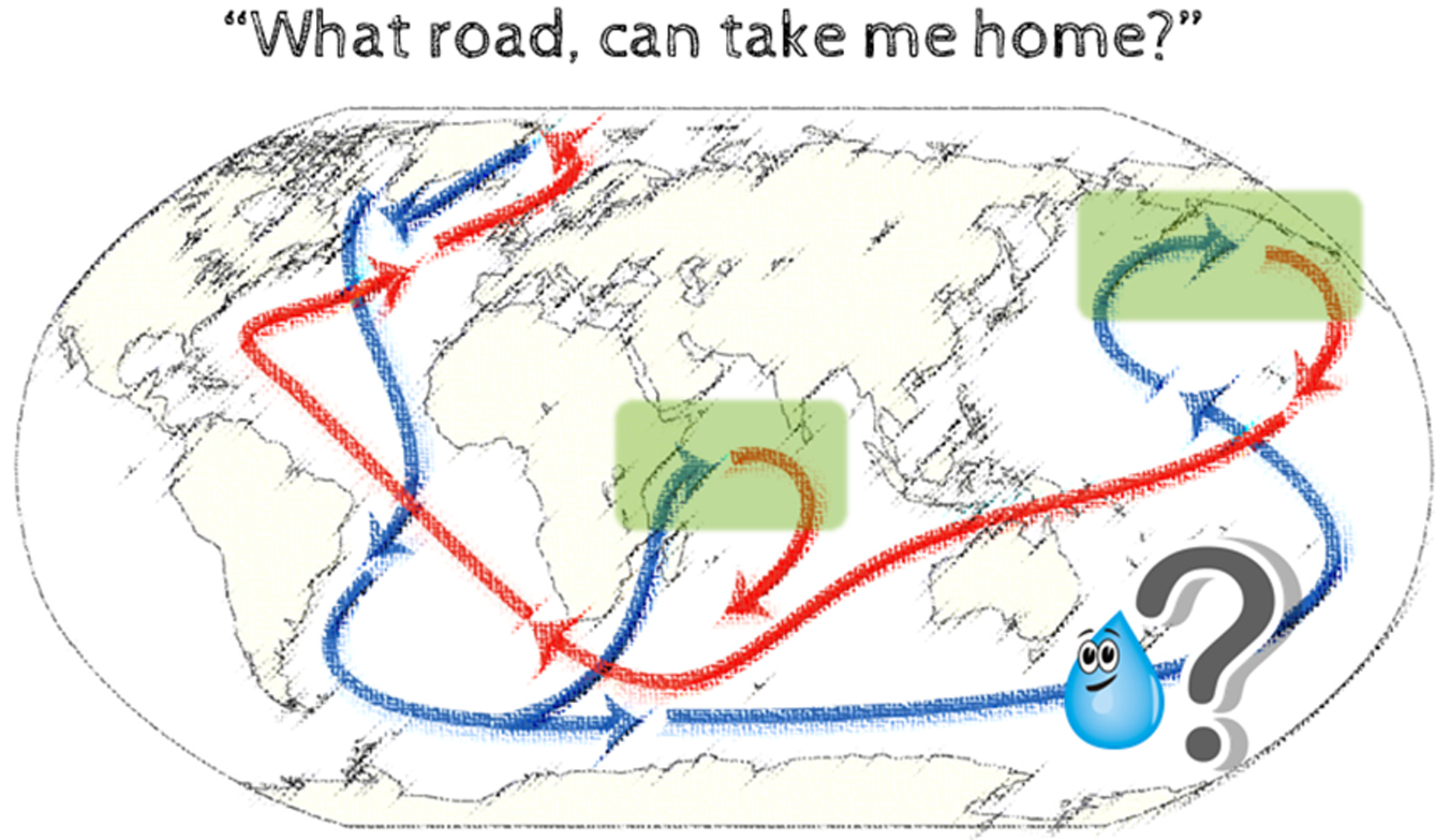
While the sinking formation of Antarctic Bottom Water (AABW) is well understood, how this bottom water "returns home" through upwelling within ocean basins, particularly the Indo-Pacific, remains shrouded in uncertainty. In the 1960s, Munk’s classic "Abyssal Recipes" theory sought to explain these abyssal flows, yet later observations exposed two significant conflicts with real-world data. In 2016, Ferrari, McDougall, and colleagues proposed the "Towards a New Abyssal Recipe" framework, introducing bottom boundary layer (BBL) upwelling to address Munk’s inconsistencies. Drawing on recent evidence of a potential cooling trend in the deep ocean, this talk revisits these debates, offering a fresh interpretation of Munk’s discrepancies and proposing a new mechanism for abyssal upwelling in the Indo-Pacific. It contributes to the ongoing quest to unravel how bottom waters complete their global journey.
Presented by: Prof. Dr. HAN Lei
Affiliation: China-ASEAN College of Marine Science, Xiamen University, Malaysia
Address: Sepang, Selangor, Malaysia



This will close in 0 seconds