

Scanning Electron Microscopy Unit (SEM)

Electron microscopy (EM) is a specialized field of science and technology used for Research and Development (R&D) purposes to produce high-quality research. Electron microscopy has been used in various areas of life and material sciences such as marine life, microbiology, toxicology, parasitology, biochemistry, botany, cell biology, forensic, metal, polymer, membrane; sedimentology, silver nanoparticles, microplastic and so on.

What is SEM? SEM stands for Scanning Electron Microscopy (SEM), a beam of electrons that go through to detect the surface of a cell, tissue and samples, creating a detailed image of the 3D surface. It can achieve an optimum magnification of more than 100,000 times with high resolution, thus allowing viewing of fine ultrastructure. SEM also can be used to analyse the chemical make-up and physical properties of a specimen using Energy Dispersive Spectroscopy X-Ray (EDS or EDX).

Our Main Objectives:

Providing High-level Service and Research Facilities and Training in the Microscopy and Microanalysis for government and private agencies.

Application of Electron Microscopy Field has been used in various areas of life and material sciences such as marine life, microbiology, toxicology, parasitology, biochemistry, botany, cell biology, forensic, metal, polymer, membrane; sedimentology, silver nanoparticles, microplastic and etc.

Facilities:

Laboratory:

  1. EM Operation Lab
  2. EM Bio Preparation Lab
  3. EM Material Lab

Equipment:

  1. SEM
  2. Auto Fine Coater
  3. Vacuum Evaporator
  4. Vacuum Oven
  5. EM Freeze Dryer

SEM Unit Charges:

  1. Scanning Electron Microscope (SEM) – Imaging (RM114/sample)
  2. Scanning Electron Microscope (SEM) – Sample Processing (RM60/sample)

  3. Scannning Electron Microscope (SEM) – EDS (RM78/sample)

  4. Auto Fine Coater (RM68/loading)

  5. Vacuum Evaporator (RM76/loading)

  6. EM Freeze Drier (RM88/loading)

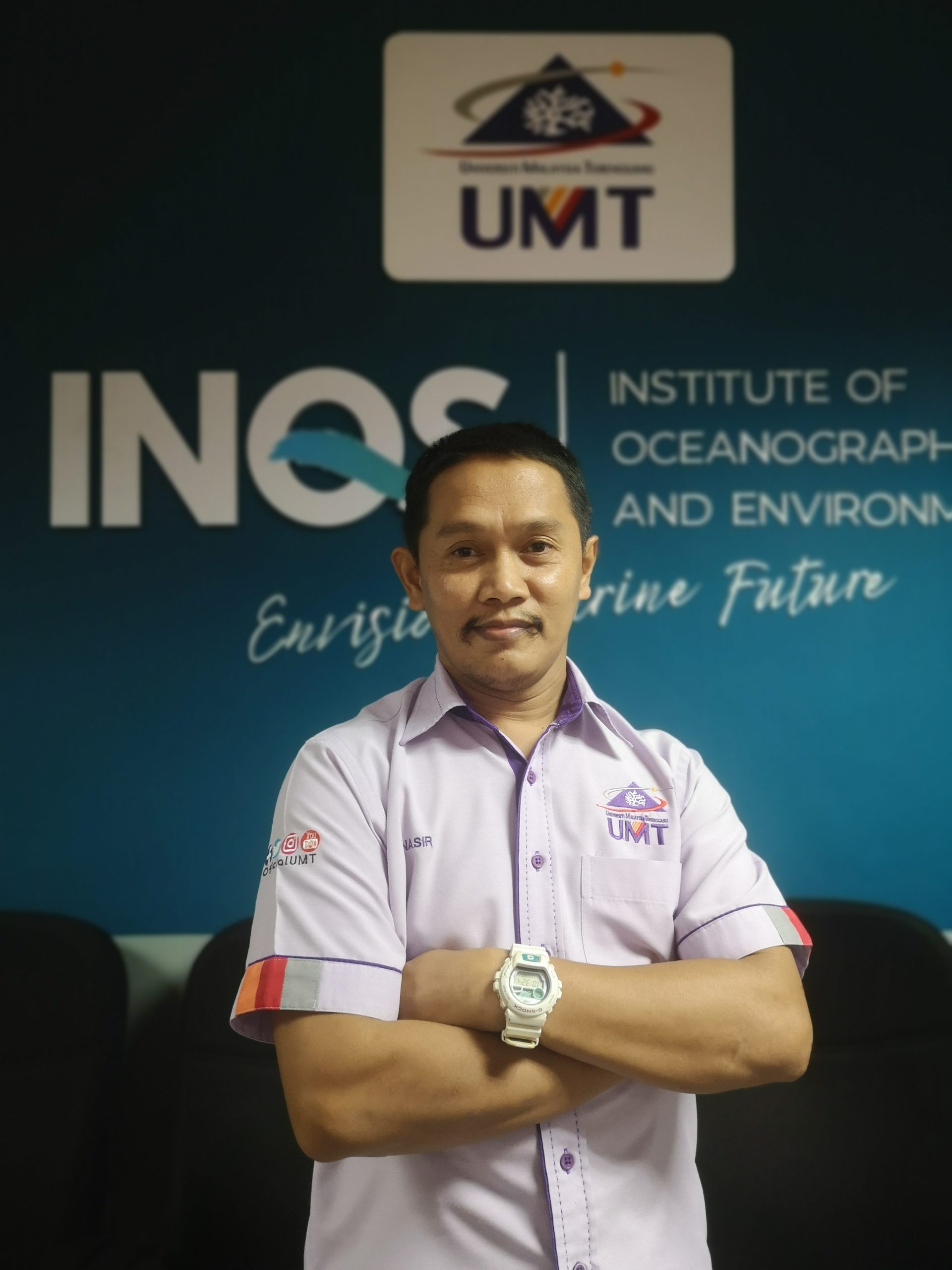
ChM. Mahamad Nasir bin Abdullah

Technical Manager

Senior Science Officer
Email: asyeir@umt.edu.my
Tel: +6096683546
Fax: +096692166

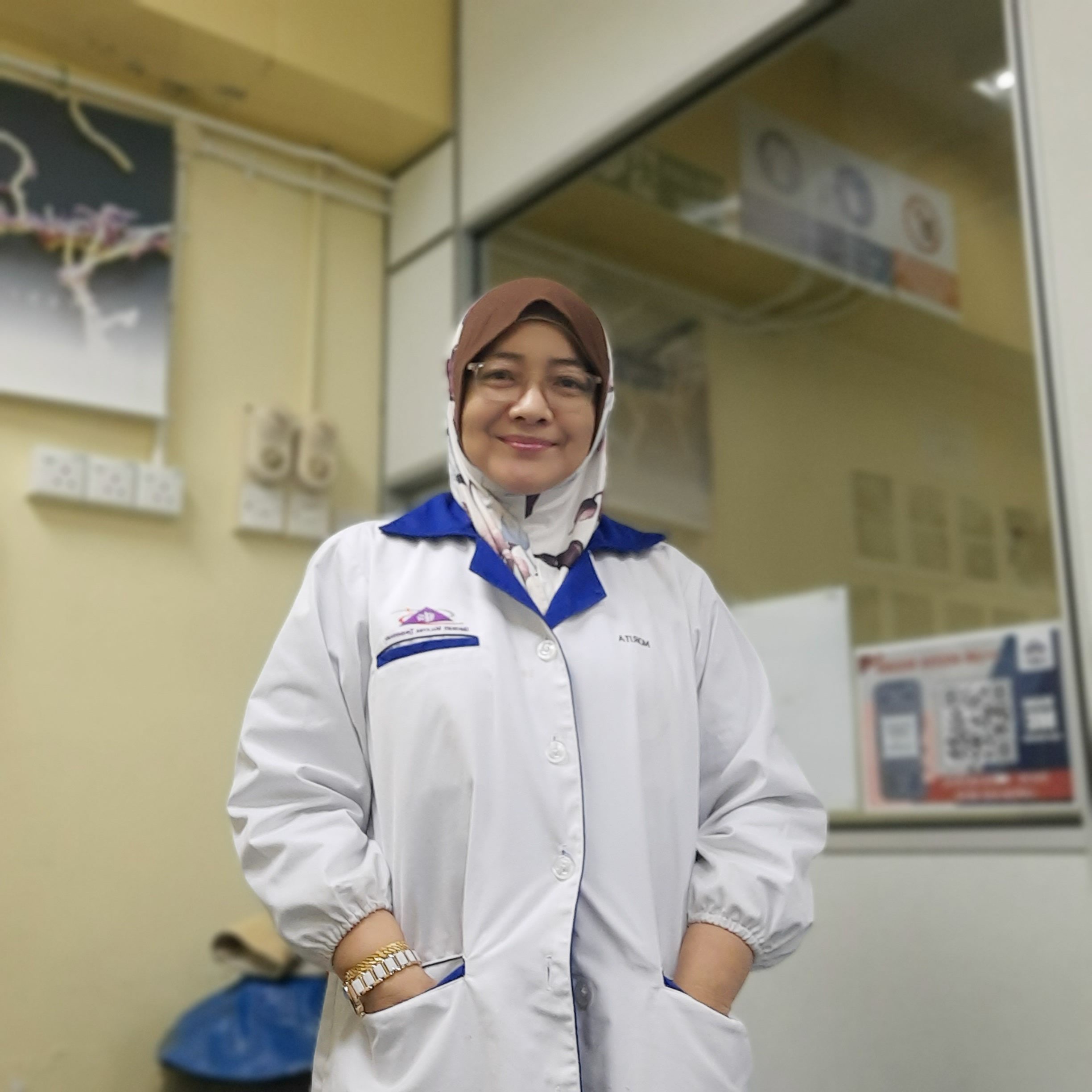
Norita binti Abd Shukor

Senior Assistant Science Officer
norita@umt.edu.my
Tel: +6096683107
Fax: +096692166

Abstract

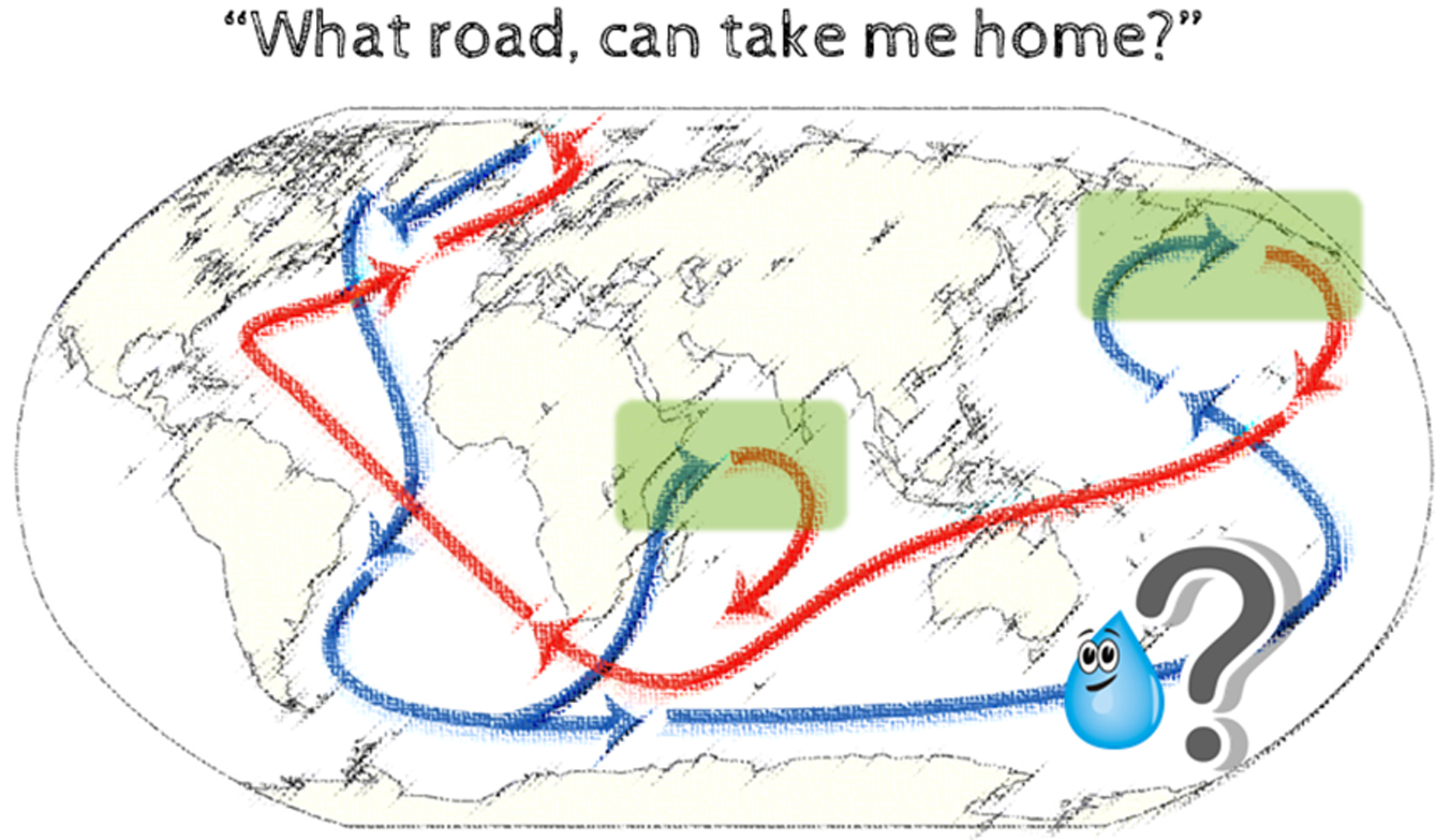
While the sinking formation of Antarctic Bottom Water (AABW) is well understood, how this bottom water "returns home" through upwelling within ocean basins, particularly the Indo-Pacific, remains shrouded in uncertainty. In the 1960s, Munk’s classic "Abyssal Recipes" theory sought to explain these abyssal flows, yet later observations exposed two significant conflicts with real-world data. In 2016, Ferrari, McDougall, and colleagues proposed the "Towards a New Abyssal Recipe" framework, introducing bottom boundary layer (BBL) upwelling to address Munk’s inconsistencies. Drawing on recent evidence of a potential cooling trend in the deep ocean, this talk revisits these debates, offering a fresh interpretation of Munk’s discrepancies and proposing a new mechanism for abyssal upwelling in the Indo-Pacific. It contributes to the ongoing quest to unravel how bottom waters complete their global journey.
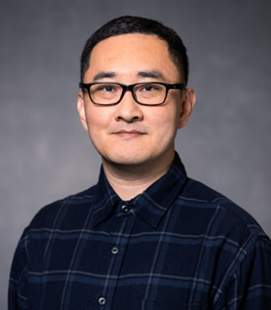
Presented by: Prof. Dr. HAN Lei
Affiliation: China-ASEAN College of Marine Science, Xiamen University, Malaysia
Address: Sepang, Selangor, Malaysia


This will close in 0 seconds