

Science-Policy Interface in Action

Written by: Wan Izatul Asma binti Wan Talaat

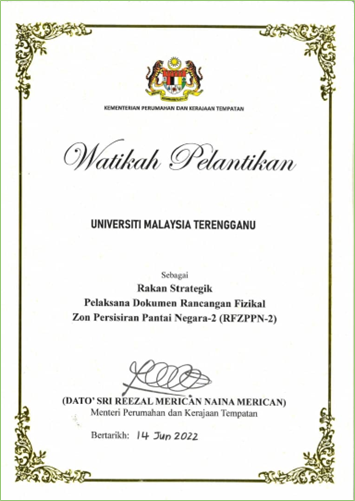
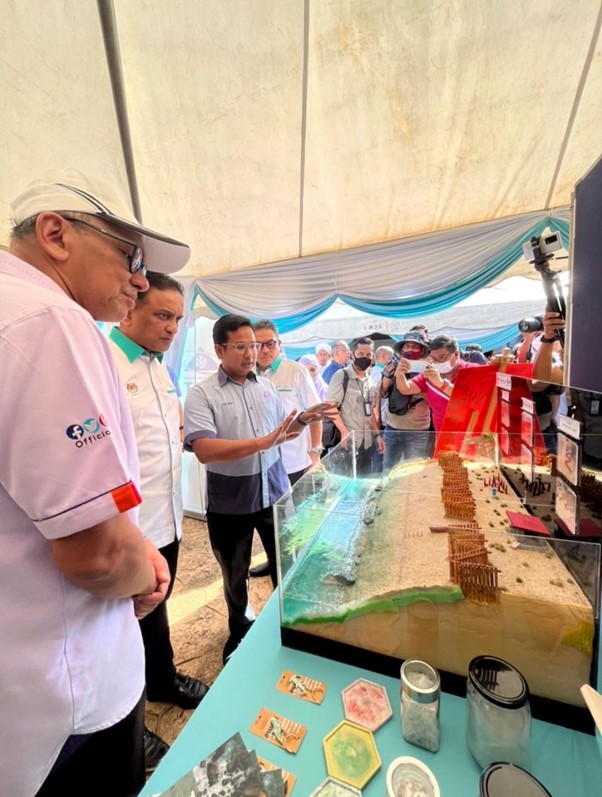
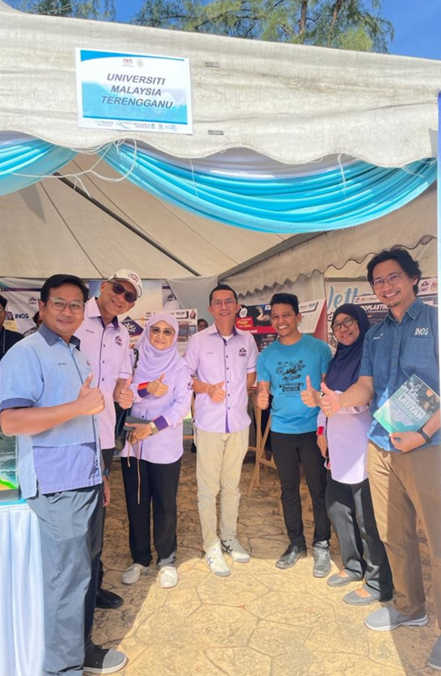
On 14th June 2022, UMT has been appointed the 1st university as a strategic partner to the 2nd National Coastal Physical Plan (RFZPPN-2). This appointment acknowledges our expertise in coastal and marine environment, while allowing us to facilitate in RFZPPN-2’s implementation through Science-Policy Interface by translating scientific findings into actionable plans and innovative solutions. Thank you PLANMalaysia and the Ministry of Housing and Local Government for the trust given.

The full RFZPPN-2 documents can be downloaded from the link below:

https://www.planmalaysia.gov.my/index.php/en/rancangan-fizikal-zon-pesisiran-pantai-negara-2

As a Strategic Partner, UMT will also be the 1st university to assist in drafting, adopting and implementing Marine Spatial Planning (MSP) in Malaysia together with Kuala Terengganu City Council. Kuala Terengganu-Kuala Nerus MSP, which is a joint project with Fujian Institute for Sustainable Oceans, Xiamen University through international funding, will be the pilot MSP project in Peninsular Malaysia to address multiple use conflicts while transforming the city into a sustainable coastal city.

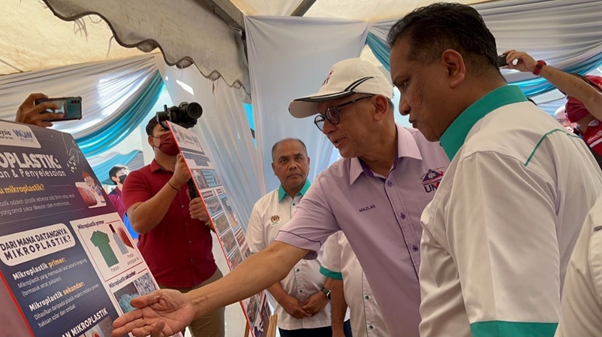
Apart from that, UMT’s appointment would also allow our innovations address multiple threats to the coastal and marine environment as innovative solutions created from years of scientific explorations and experiments.

Abstract

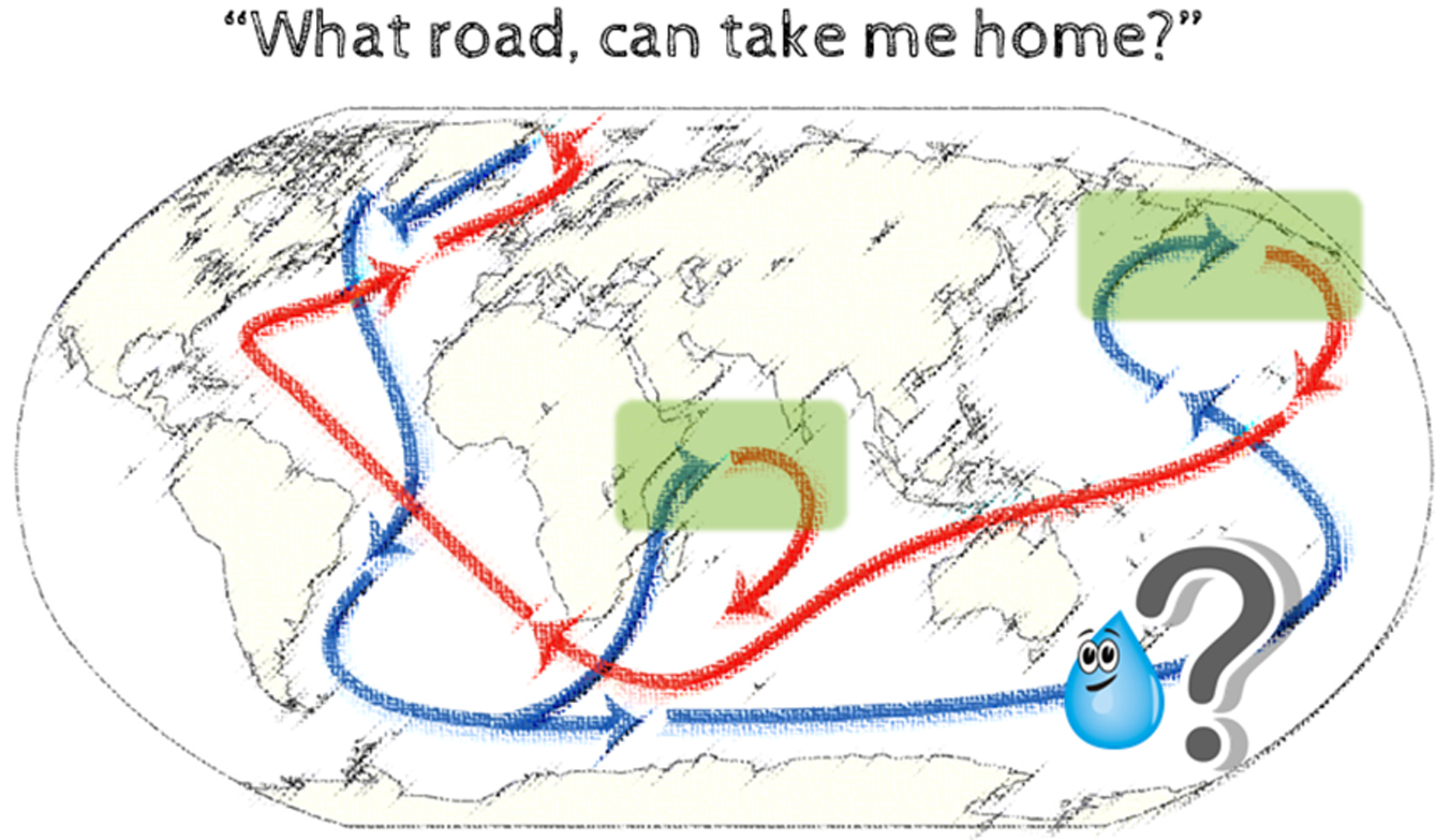
While the sinking formation of Antarctic Bottom Water (AABW) is well understood, how this bottom water "returns home" through upwelling within ocean basins, particularly the Indo-Pacific, remains shrouded in uncertainty. In the 1960s, Munk’s classic "Abyssal Recipes" theory sought to explain these abyssal flows, yet later observations exposed two significant conflicts with real-world data. In 2016, Ferrari, McDougall, and colleagues proposed the "Towards a New Abyssal Recipe" framework, introducing bottom boundary layer (BBL) upwelling to address Munk’s inconsistencies. Drawing on recent evidence of a potential cooling trend in the deep ocean, this talk revisits these debates, offering a fresh interpretation of Munk’s discrepancies and proposing a new mechanism for abyssal upwelling in the Indo-Pacific. It contributes to the ongoing quest to unravel how bottom waters complete their global journey.
Presented by: Prof. Dr. HAN Lei
Affiliation: China-ASEAN College of Marine Science, Xiamen University, Malaysia
Address: Sepang, Selangor, Malaysia



This will close in 0 seconds