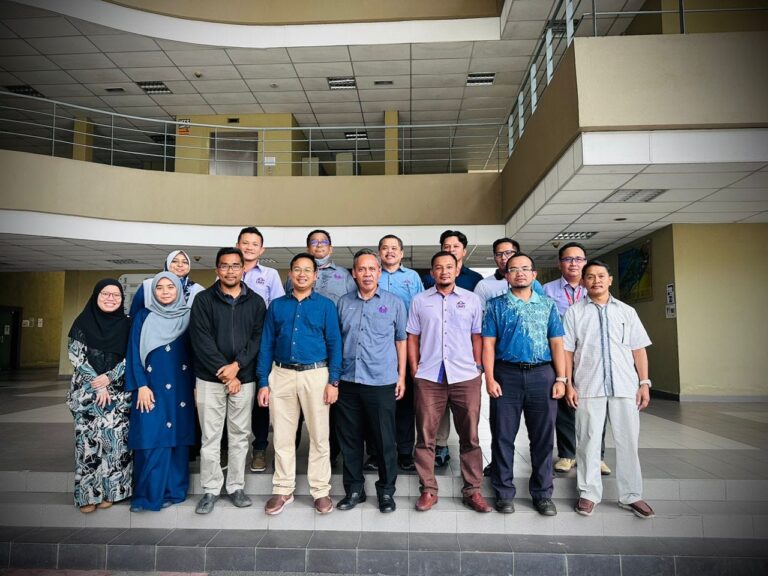
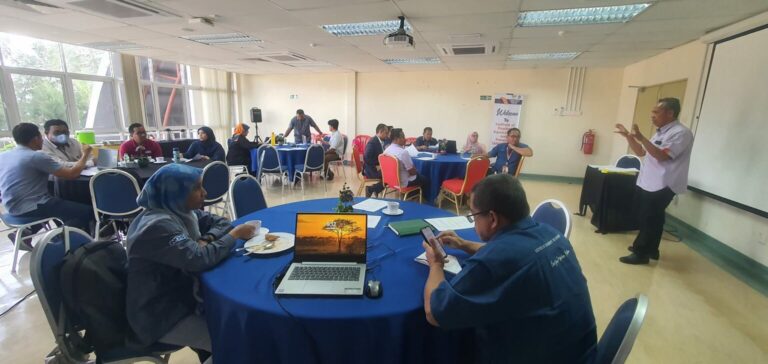
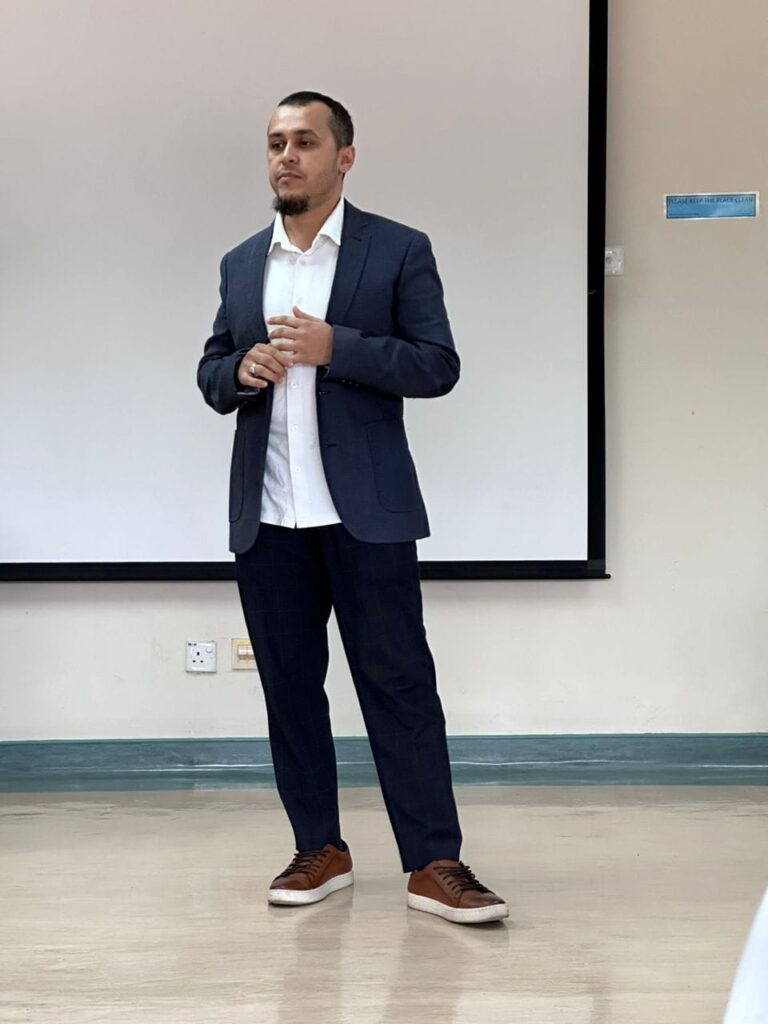
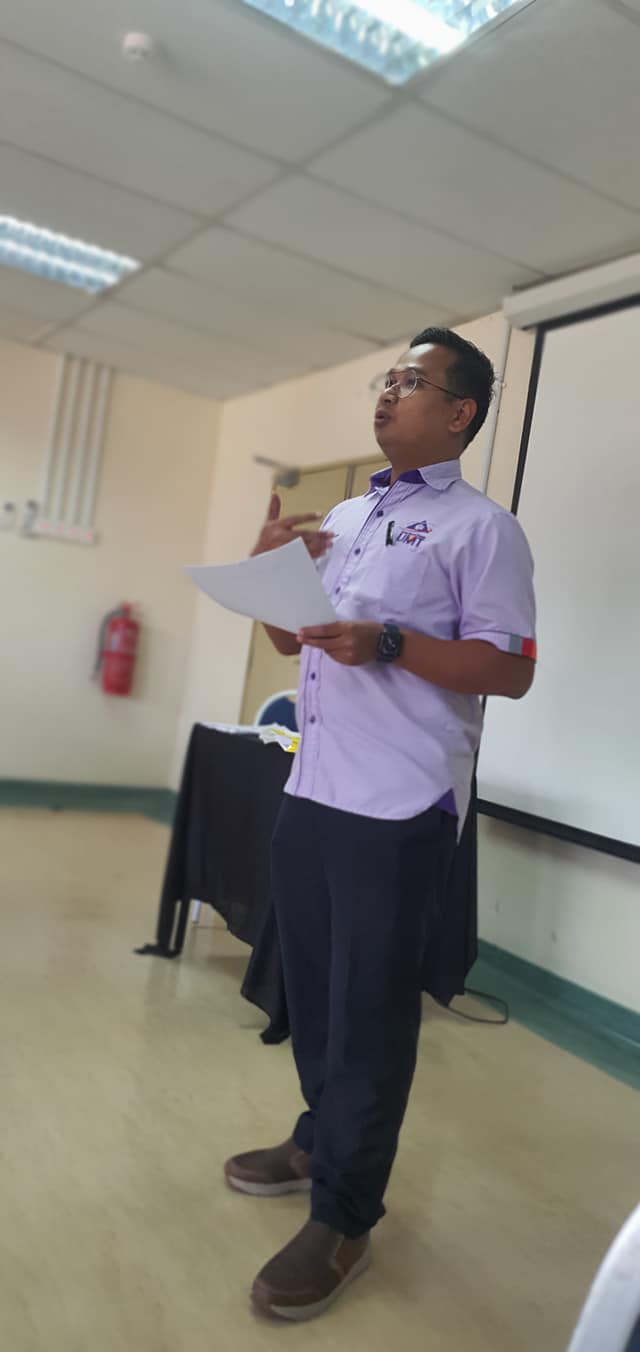
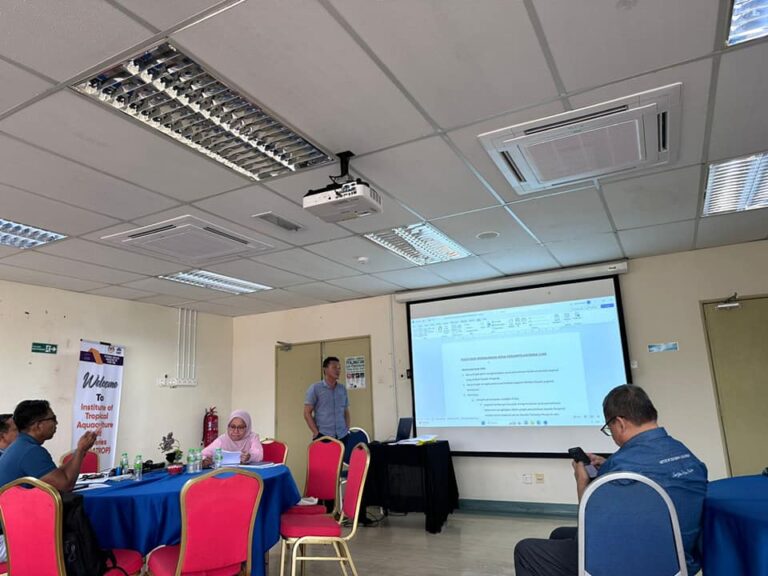
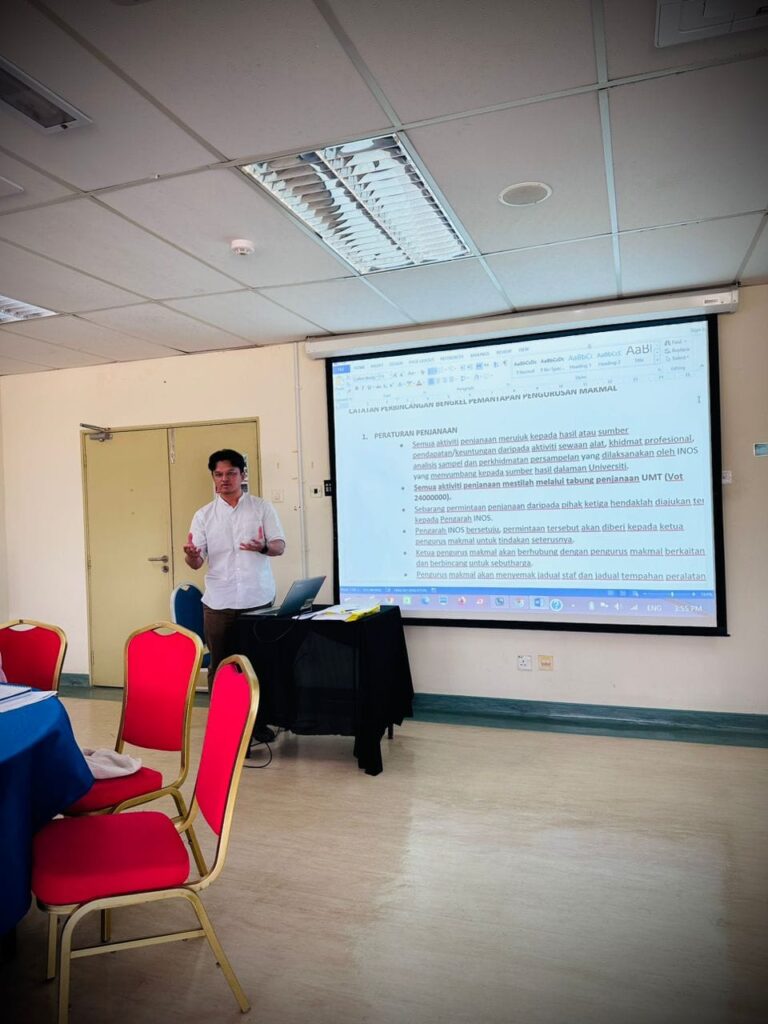
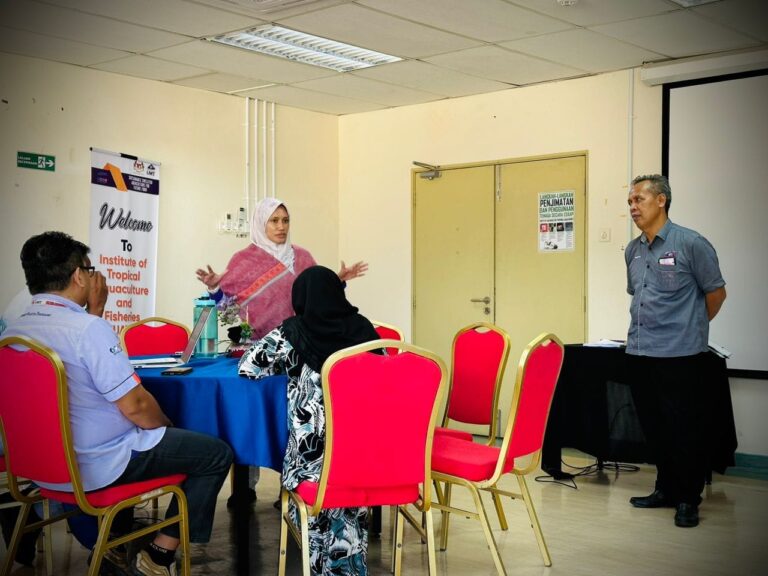
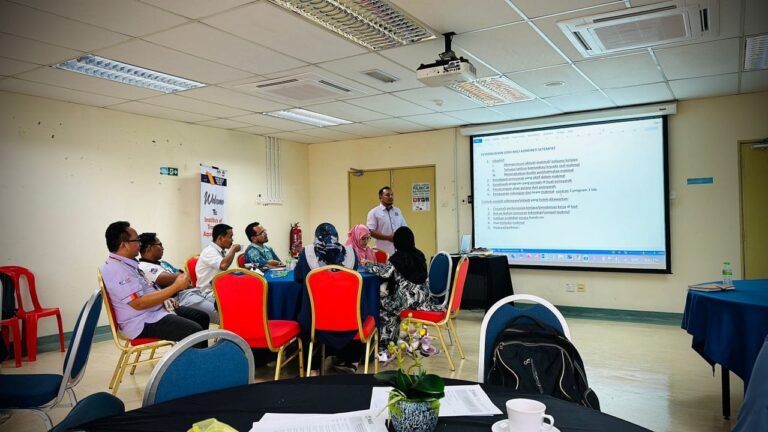
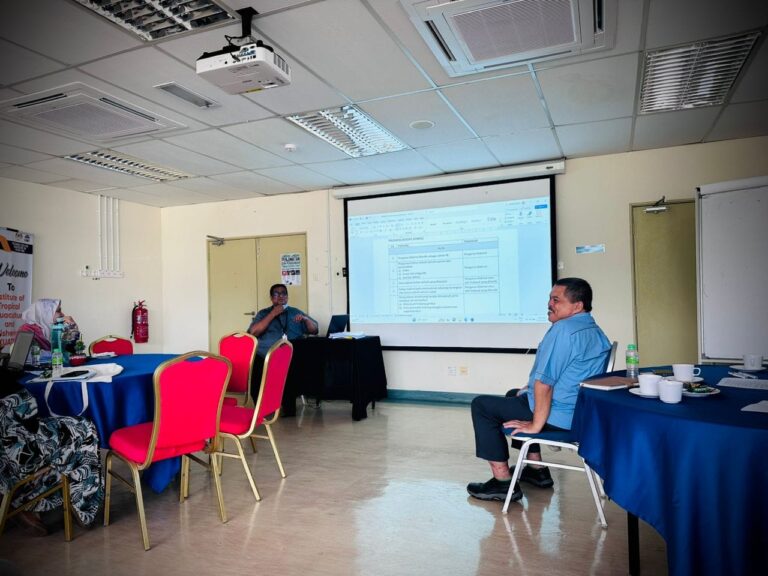
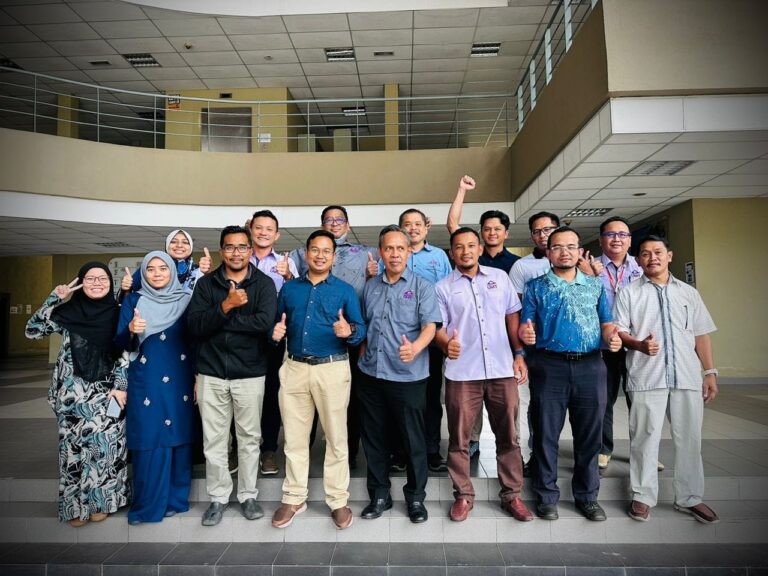
The Institute of Oceanography and Environment (INOS) hosted a significant Workshop for the Enhancement of Laboratory Management on December 5-6, 2023. The primary goal was to refine regulations and Standard Operating Procedures (SOPs) for Assistant Science Officers, Science Officers, and Curators, ensuring alignment with current standards and enhancing compliance with safety protocols to improve research quality and laboratory management.
Participants concentrated on developing precise SOPs to streamline laboratory operations and elevate research quality. They assessed existing regulations, identifying areas for improvement to align with modern practices and safety standards, crucial for maintaining high-quality research outputs.
A key aspect of the workshop was integrating strategies for income generation and knowledge transfer. Participants were introduced to efficient laboratory management techniques aimed at boosting revenue through research and industry collaborations, leveraging the university’s research strengths to support scientific advancements.
The workshop also emphasized knowledge transfer through innovative community initiatives, fostering an environment that encourages expertise sharing and advances the university’s innovation ecosystem. By promoting collaboration between the university’s scientific community and external stakeholders, the workshop aimed to facilitate knowledge flow, drive innovation, and reinforce the university’s role as a scientific hub.
Participants explored advanced laboratory management practices, focusing on developing SOPs that enhance efficiency and safety. The workshop encouraged a critical evaluation of existing procedures, promoting improvements and innovations expected to elevate research quality and ensure effective laboratory operations.
Additionally, the workshop aimed to strengthen industry collaborations by aligning laboratory practices with industry standards and exploring joint research opportunities, anticipated to bring mutual benefits, including access to advanced research facilities and additional funding for university projects.
In summary, the workshop marked a significant step in refining laboratory practices and fostering a culture of excellence and innovation at the university, establishing a strong foundation for enhancing research capabilities and promoting a vibrant innovation ecosystem.