Racing Against Time
By Mohd Uzair Rusli, Head Centre for Marine Conservation (CMC), INOS
Marine conservation today is no longer constrained by scientific uncertainty. It is constrained by institutional hesitation, fragmented responsibility and the reluctance to act decisively in the face of overwhelming evidence. The persistent gap between scientific knowledge, policy formulation and on-the-ground action is not merely a technical failure. It is a governance and leadership failure.
Across the world, marine ecosystems are changing faster than our institutions, policies, and implementation mechanisms can adapt. Coral reefs, seagrass meadows, mangroves and threatened marine species do not wait for governance structures to be perfectly aligned. They respond immediately to pressure, and often irreversibly.
Malaysia has not been idle. The country has produced numerous policies, blueprints and strategic frameworks related to oceans, biodiversity and sustainability. These documents reflect serious intent, intellectual effort and long-term vision. Yet, it would be intellectually dishonest not to acknowledge a persistent and uncomfortable reality: the gap between scientific knowledge, policy formulation and on-the-ground action remains wide.
Marine governance in Malaysia is highly fragmented. Fisheries, conservation, coastal development, tourism, energy and enforcement operate largely within their own institutional boundaries. Mandate-based thinking, while administratively convenient, often becomes ecologically destructive. Marine ecosystems do not recognise institutional jurisdictions, yet management responses remain rigidly compartmentalised.
Paradoxically, this very fragmentation also presents an opportunity. A multi-sectoral landscape brings diverse perspectives, expertise, and ideas. Scientists, practitioners, policymakers, and communities view the marine environment through different lenses, enriching the collective understanding of problems and solutions. The real deficit, therefore, is not a lack of ideas or data, but a lack of ownership when it comes to translating knowledge into action.
Too often, responsibility is deferred with statements such as “this falls under another agency” or “that is not within our mandate.” These phrases sound administratively correct, yet they often function as convenient stopping points. In the end, institutional boundaries are respected, but ecosystems continue to degrade.
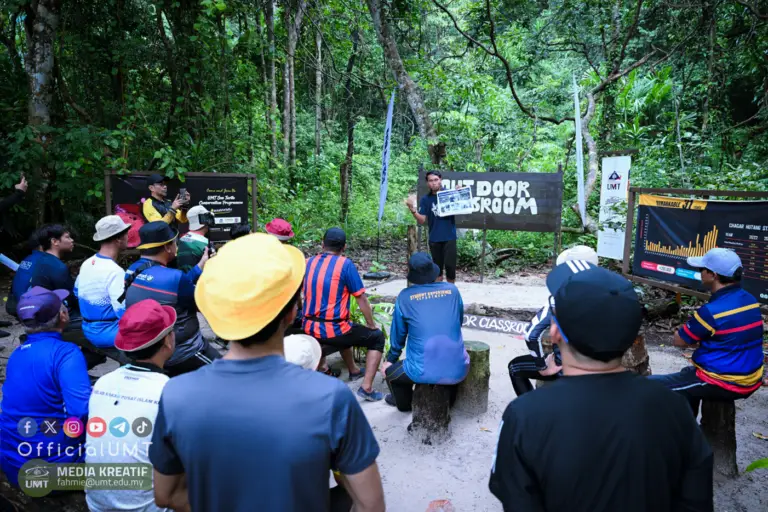
This is where the academic and scientific community must reflect seriously on its role. The role of scientists must evolve from knowledge producers to ethical actors within socio-ecological systems. The responsibility of knowledge does not end with accuracy, rigour or ethical publication. It also includes the moral obligation to ensure that knowledge informs decisions, shapes practices and leads to tangible outcomes.
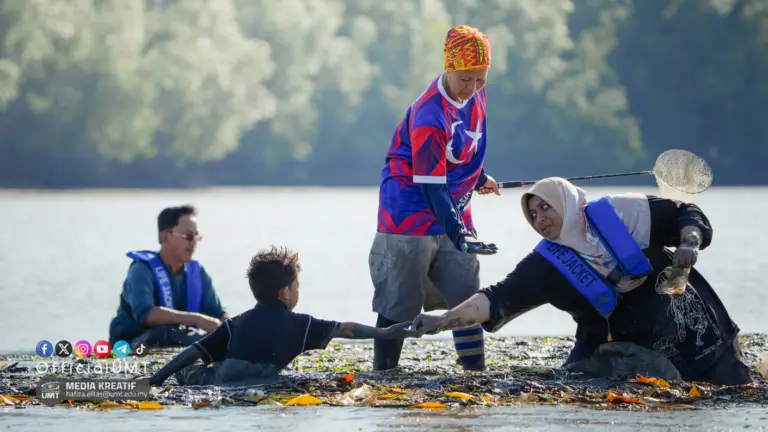
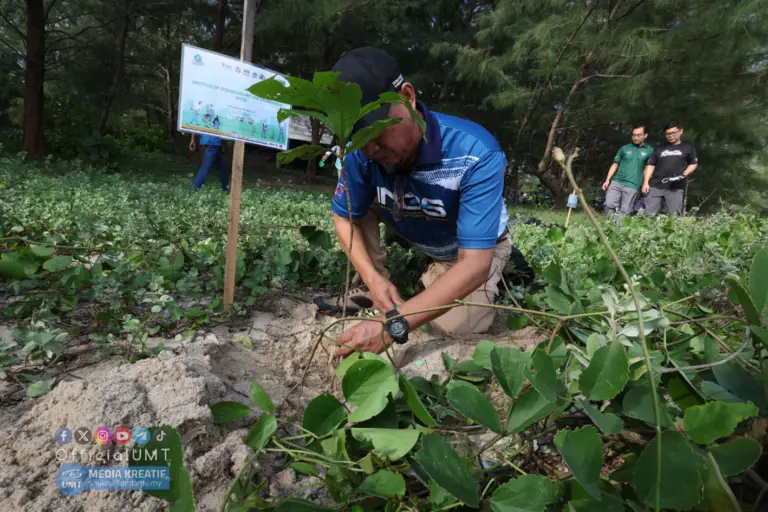
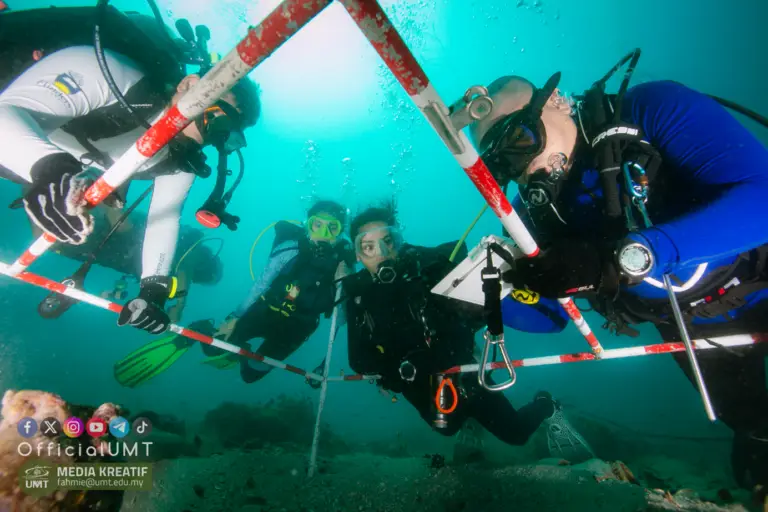
This reflection has driven recent initiatives at the Institute of Oceanography and Environment (INOS), particularly the consolidation of marine conservation-related entities under a unified platform: the Centre for Marine Conservation (CMC). This move is grounded in a simple but critical realisation that marine conservation has long been approached in silos, often organised by species or habitat. Sea turtles are managed separately from coral reefs, mangroves from estuaries, and biodiversity from human activities.
Nature, however, does not operate this way. Species move across habitats. Human pressures accumulate across space and time. Climate change transcends ecological and administrative boundaries. Conservation efforts, therefore, must evolve from fragmented interventions towards integrated, system-based approaches.
CMC represents an institutional experiment in breaking the science–policy–action divide by design, not by aspiration. It aims to amplify impact not by replacing existing expertise, but by connecting it. From isolated projects to coordinated efforts. From species-centric thinking to seascape-level strategies. From short-term interventions to sustained, adaptive action.
Yet, structure alone will not deliver change if courage is absent.
This brings us to a question every researcher should honestly ask: Where does the impact of our research truly go? Is it sufficient for years of work, often funded by public resources, to culminate solely in academic papers? Or should we expect our science to influence how environments are managed, protected and governed?
This question is not an accusation, but an invitation to reflect. If we genuinely believe that our research carries the potential to make a difference, then it is our responsibility to stand at the forefront of that change.
Marine conservation today demands more than technical correctness. It requires ethical leadership, humility, collaboration, and the courage to move first. In a race against time, ecosystems do not respond to explanations; they respond to action.