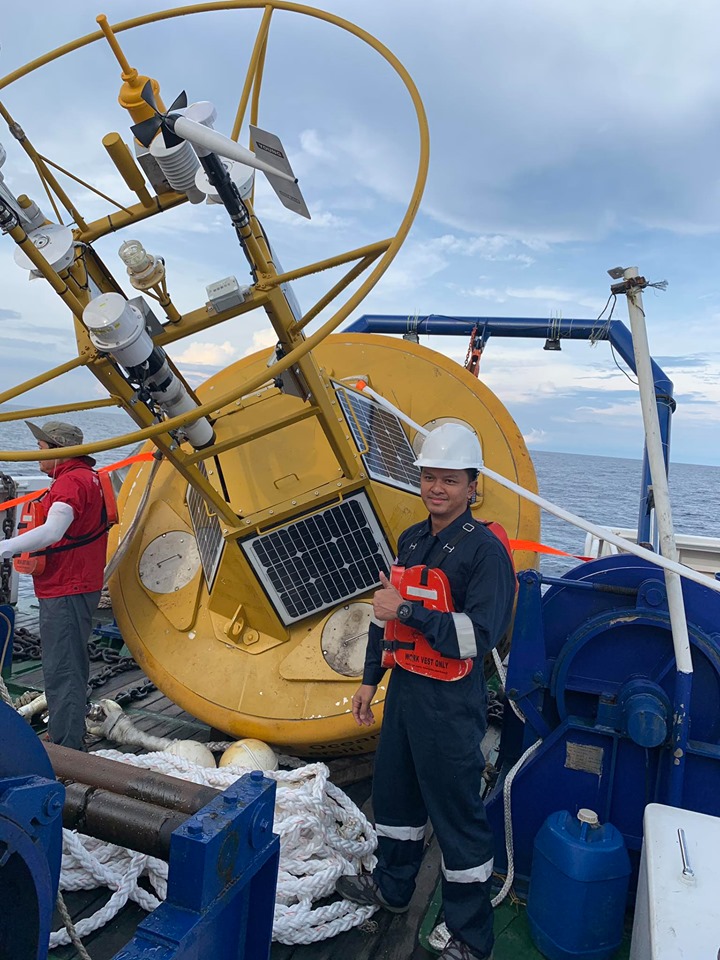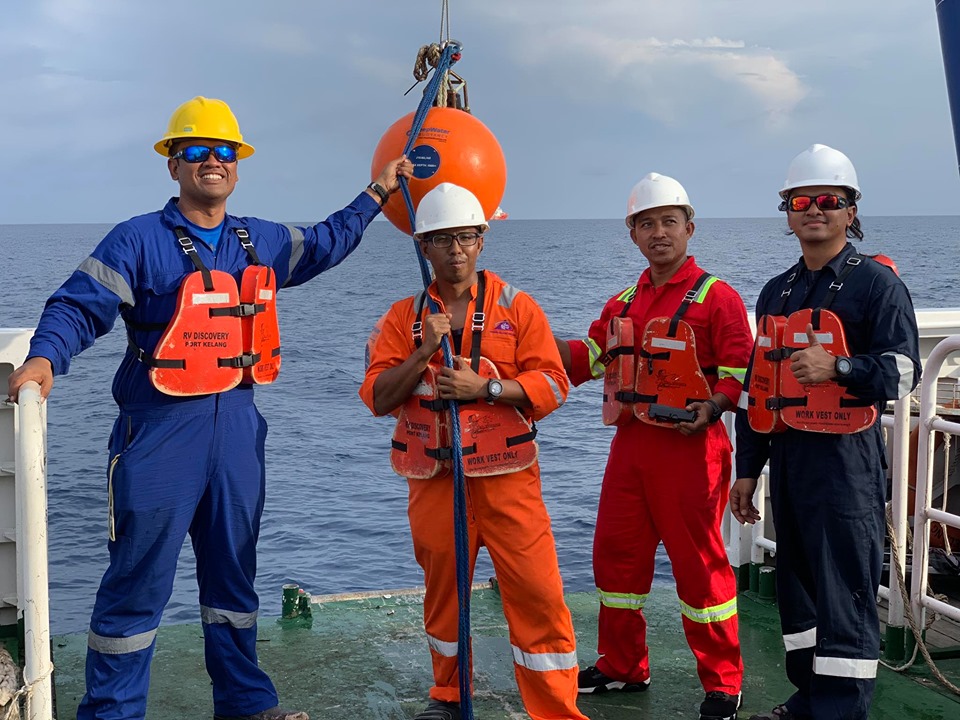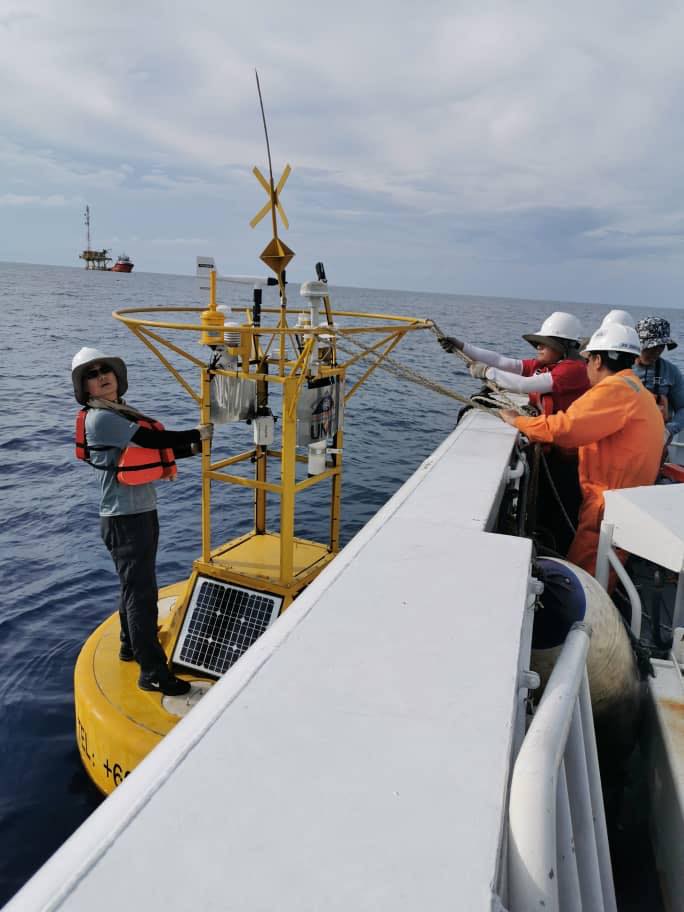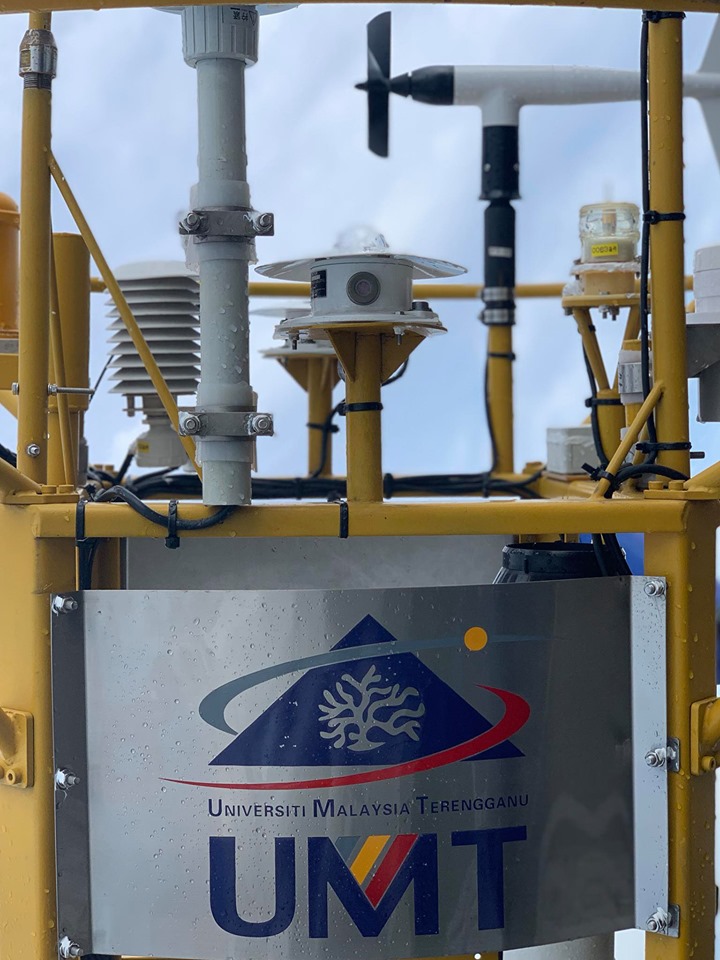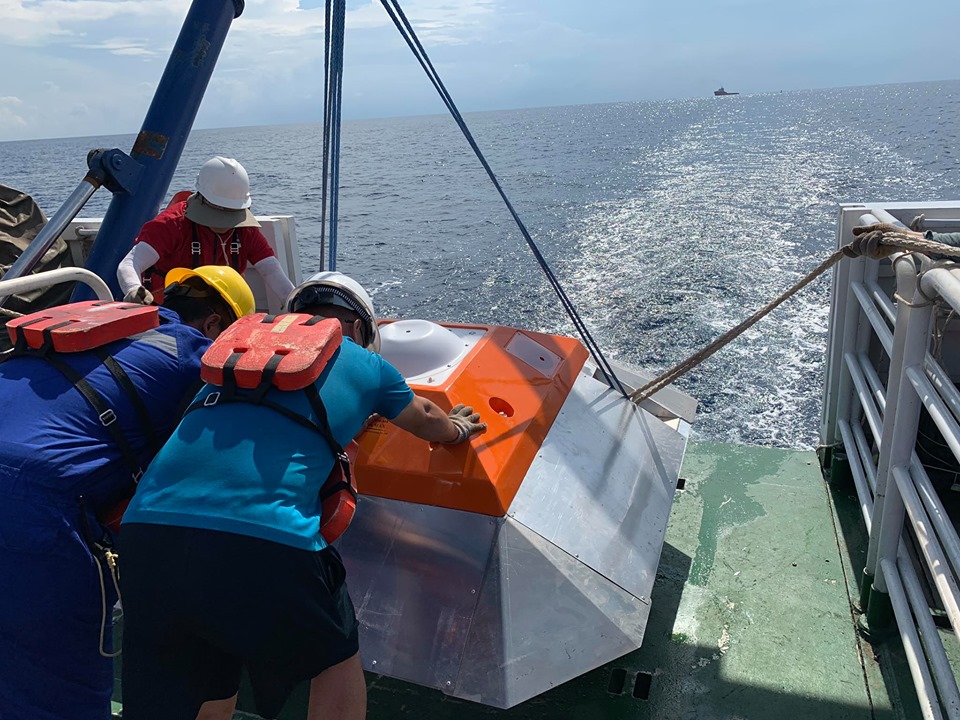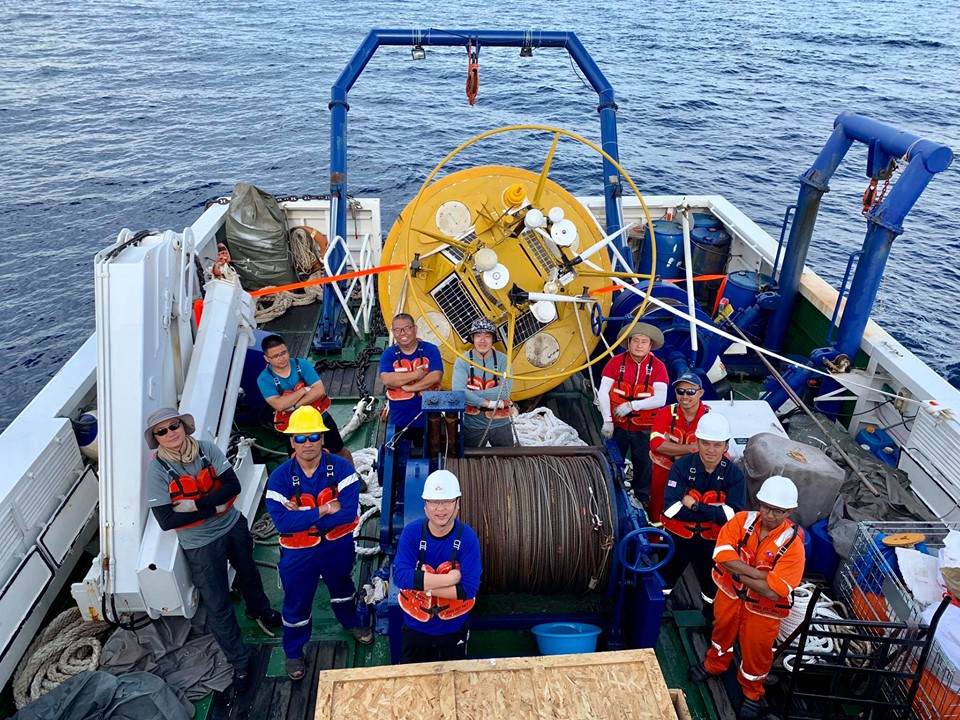
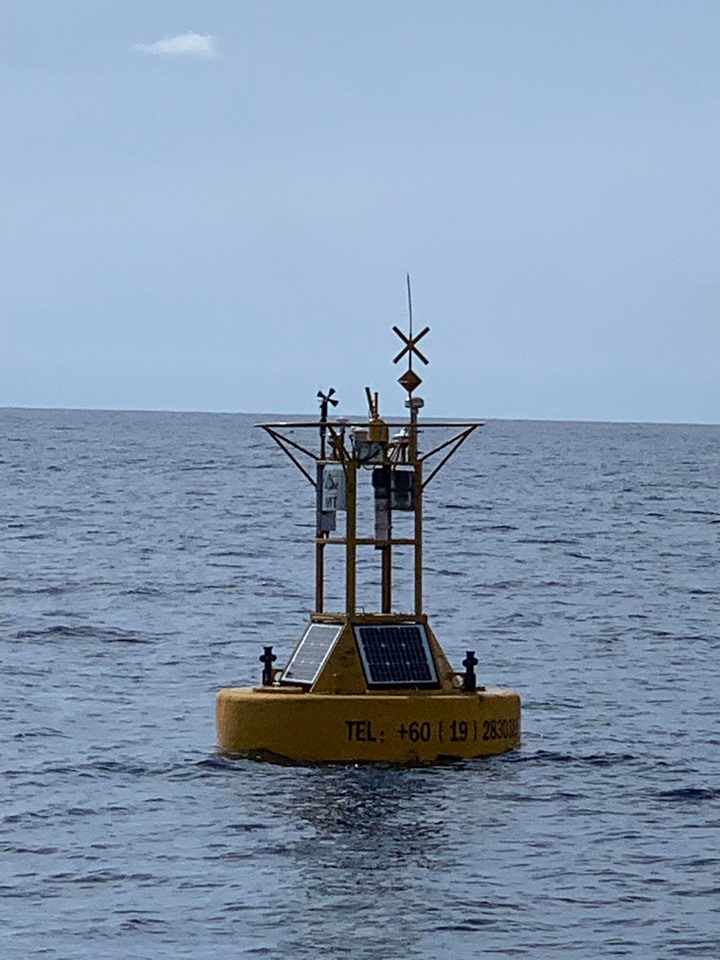
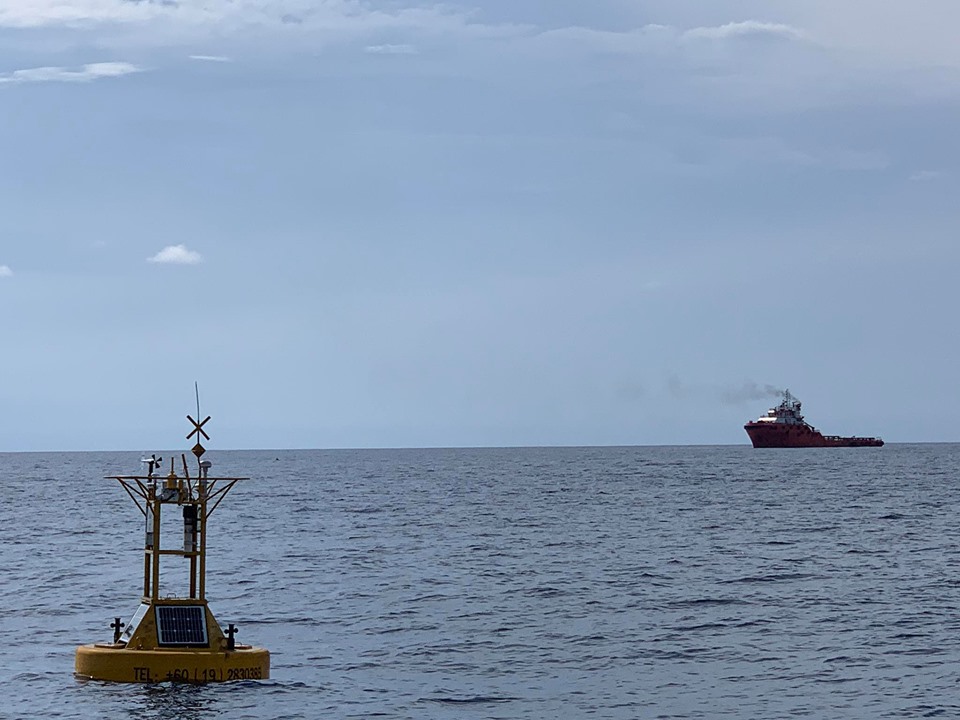
Pemantauan jangka panjang menggunakan boya saintifik dan sistem ‘anti-trawl ADCP’ di perairan Laut China Selatan

Tarikh: 7 Oktober 2019
Lokasi: Sotong & Tiong platform (120 batu nautika dari Kuala Terengganu).
Kapal: RV Discovery

Kolaborasi First Institute of Oceanography (FIO), China & INOS UMT

Data cerapan dari boya saintifik & ‘anti-trawl ADCP’ yang akan diperoleh nanti akan menyokong pembinaan sistem ramalan lautan yang sedang dibangunkan. Kolaborasi FIO-INOS ini bakal menggunakan data lautan sebagai kriteria utama dalam memastikan produk yang dihasilkan adalah tepat. Sistem ramalan ini bakal membantu dalam meramal suhu, arus dan gelombang bagi memudahkan akses orang awam terutamanya pengamal industri seperti perikanan dan petroleum. Selain itu, ia membantu proses mencari dan menyelamat sekiranya berlaku sebarang kecemasan seperti bot karam dan limpahan minyak.
 

Abstract

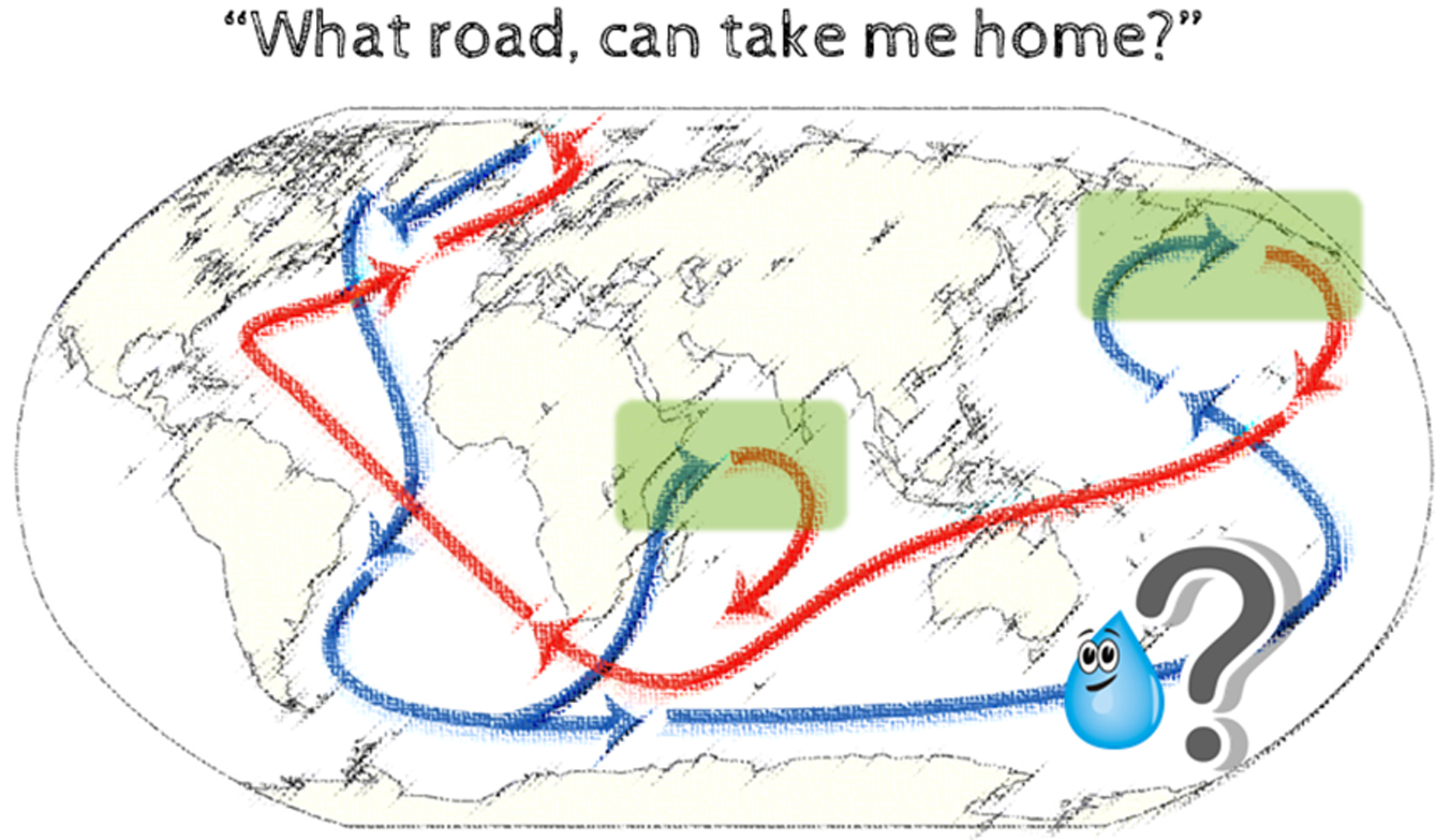
While the sinking formation of Antarctic Bottom Water (AABW) is well understood, how this bottom water "returns home" through upwelling within ocean basins, particularly the Indo-Pacific, remains shrouded in uncertainty. In the 1960s, Munk’s classic "Abyssal Recipes" theory sought to explain these abyssal flows, yet later observations exposed two significant conflicts with real-world data. In 2016, Ferrari, McDougall, and colleagues proposed the "Towards a New Abyssal Recipe" framework, introducing bottom boundary layer (BBL) upwelling to address Munk’s inconsistencies. Drawing on recent evidence of a potential cooling trend in the deep ocean, this talk revisits these debates, offering a fresh interpretation of Munk’s discrepancies and proposing a new mechanism for abyssal upwelling in the Indo-Pacific. It contributes to the ongoing quest to unravel how bottom waters complete their global journey.

Presented by: Prof. Dr. HAN Lei
Affiliation: China-ASEAN College of Marine Science, Xiamen University, Malaysia
Address: Sepang, Selangor, Malaysia


This will close in 0 seconds