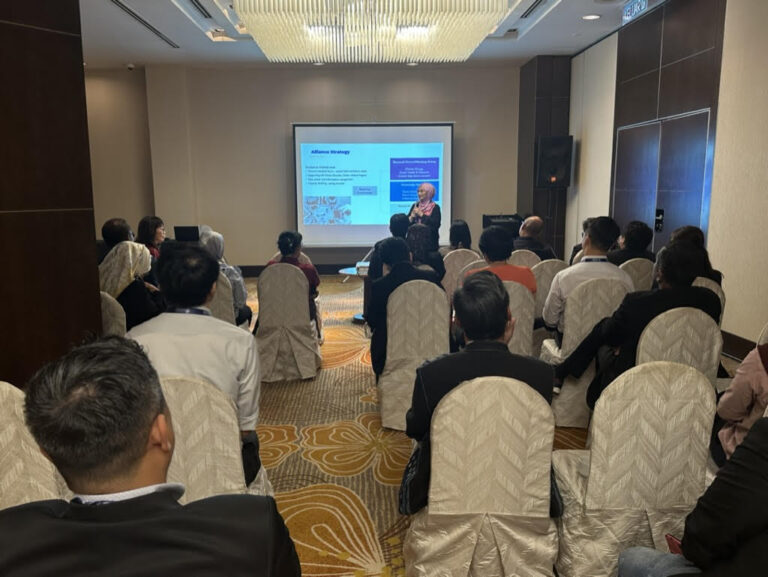
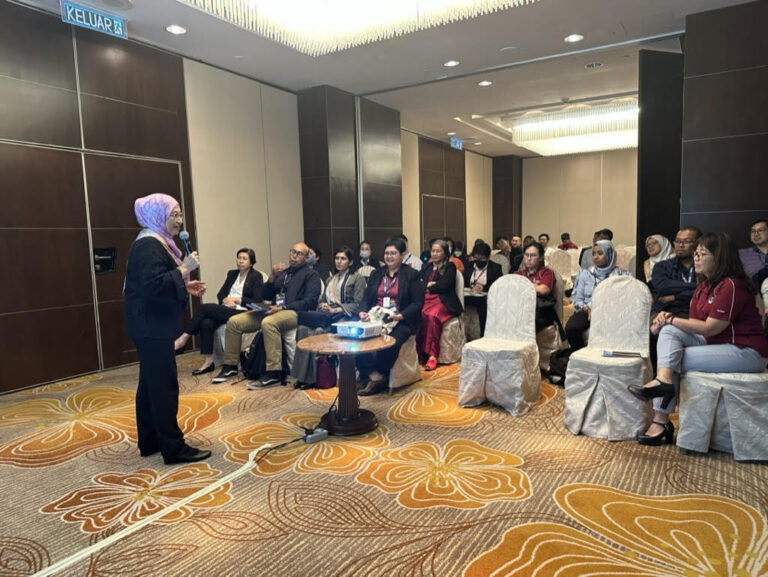
A significant step forward for marine research in Malaysia, the Malaysia Ocean Research Alliance (MORA) recently celebrated the official recognition of MORA as a registered organization, followed by its latest announcement of three working groups establishment focused on ocean acidification, climate change, and marine biodiversity, marking a pivotal moment in MORA’s journey.
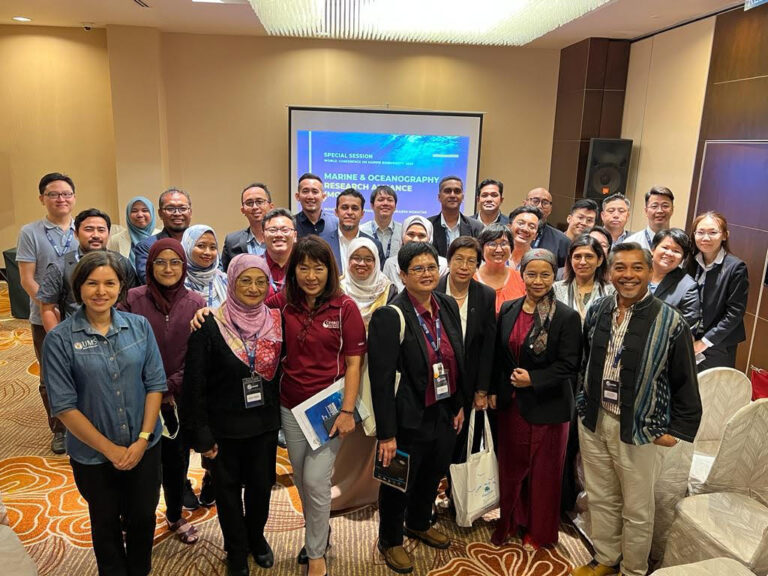
Not long after the announcement of the working groups, researchers from various universities in Malaysia come together in these groups, embodying the spirit of collaboration and innovation that defines MORA. By pooling their expertise and resources, these researchers start making waves in their respective fields, driving meaningful progress and paving the way for a brighter future for the ocean research landscape in Malaysia.
MORA, founded by 5 institute – Institute of Ocean & Earth Sciences (IOES), Institute of Oceanography and Environment (INOS), Centre for Marine & Coastal Studies (CEMACS), and Borneo Marine Research Institute (BMRI), serves as a collaborative platform for ocean researchers across Malaysia, that aims to address critical challenges in marine science by fostering partnerships, knowledge exchange, and interdisciplinary collaboration. As we highlight the contributions of the initial five institutions steering the inception of MORA, it is essential to underscore that this alliance serves as a focal point and collaborative platform for all universities throughout Malaysia. MORA extends an open invitation, encouraging participation from academic institutions nationwide.
In a recent open session, Prof. Ts. Dr. Mohd Fadzil Mohd Akhir, Chairman of MORA, emphasized the alliance’s role as a catalyst for change in the Malaysian marine research landscape. Prof. Fadzil highlighted MORA’s potential to serve as a national focal point, providing valuable insights for policymakers, supporting the career development of early-career researchers, and facilitating cross-institutional collaboration.
In light of these milestones, MORA encourages researchers, industry professionals, and policymakers to join hands in this collective effort to chart the course for the future of marine science in Malaysia.