Vision & Mission

VISION

A Marine-focused University, Reputed Nationally and Respected Globally

MISSION

To become a knowledge leader for ocean and marine science in the region

OBJECTIVES

  1. To serve as a vehicle for UMT to excel in ocean and marine science research.
  2. To encourage multi and transdiciplinary research in ocean and marine science.
  3. To become the Institution of choice for post graduate training in the field of ocean and marine science.
  4. To become a major player in knowledge transfer by developing linkages with marine related industry

Abstract

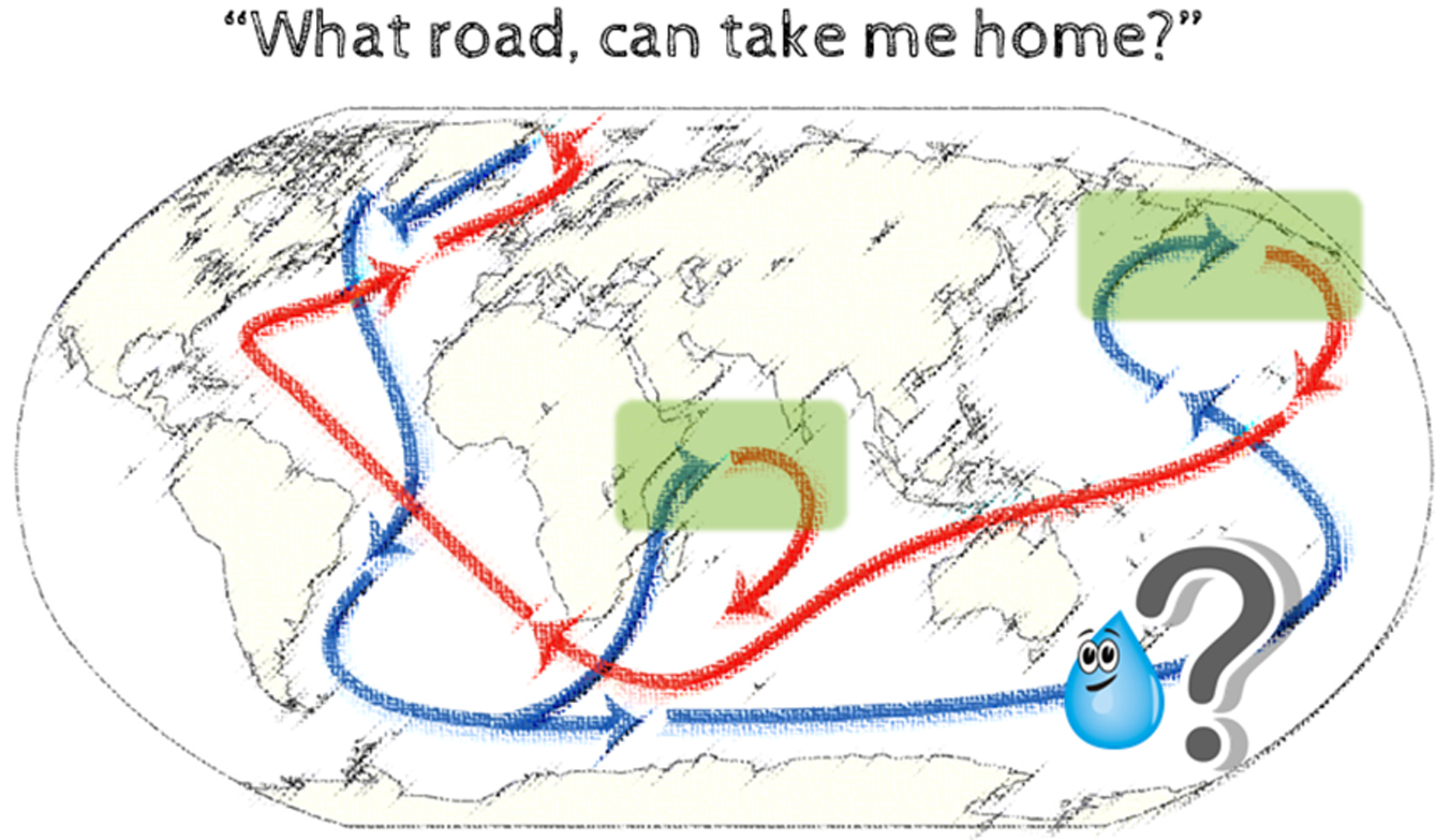
While the sinking formation of Antarctic Bottom Water (AABW) is well understood, how this bottom water "returns home" through upwelling within ocean basins, particularly the Indo-Pacific, remains shrouded in uncertainty. In the 1960s, Munk’s classic "Abyssal Recipes" theory sought to explain these abyssal flows, yet later observations exposed two significant conflicts with real-world data. In 2016, Ferrari, McDougall, and colleagues proposed the "Towards a New Abyssal Recipe" framework, introducing bottom boundary layer (BBL) upwelling to address Munk’s inconsistencies. Drawing on recent evidence of a potential cooling trend in the deep ocean, this talk revisits these debates, offering a fresh interpretation of Munk’s discrepancies and proposing a new mechanism for abyssal upwelling in the Indo-Pacific. It contributes to the ongoing quest to unravel how bottom waters complete their global journey.

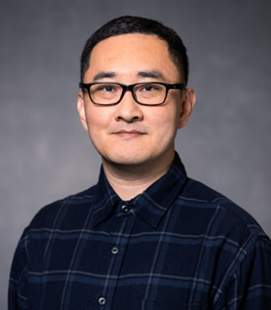
Presented by: Prof. Dr. HAN Lei
Affiliation: China-ASEAN College of Marine Science, Xiamen University, Malaysia
Address: Sepang, Selangor, Malaysia


This will close in 0 seconds