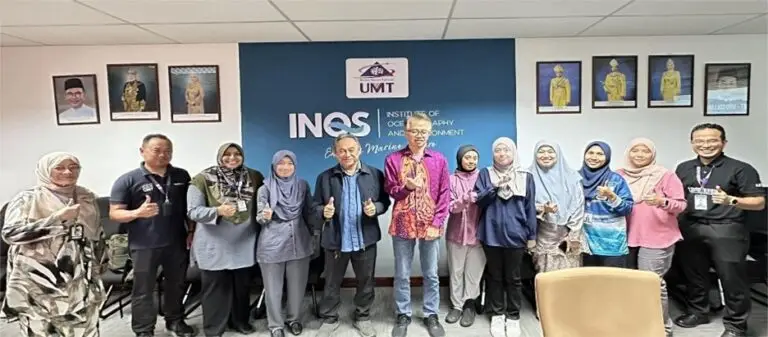
The Mangrove Research Unit (MARU) plays a key role in supporting and strengthening the implementation of an international research and training program with a strong emphasis on mangrove-associated marine ecosystems as key components of coastal and marine biodiversity. “This program highlights MARU’s commitment to advancing mangrove and coastal marine research, enhancing regional scientific collaboration and building technical capacity among young researchers,” said Prof. Zainudin Bachok, Director of INOS, during a recent discussion.
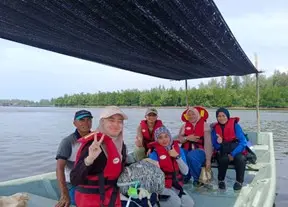
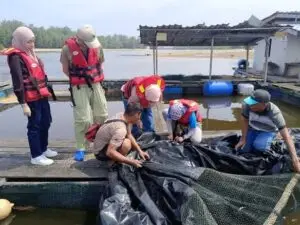
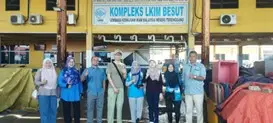
The program focuses on scientific sampling activities and technical capacity building in marine and mangrove biodiversity studies through the project Scientific Sampling of Population Structure and Phylogeography of Marine Fishes and Marine Leeches in Malaysia, as well as the organization of the International Hands-On Workshop on Fish Specimen Procedure. Under a strategic collaboration between INOS and AKUATROP, Universiti Malaysia Terengganu (UMT) and Universiti Brunei Darussalam (UBD) from 10 to 14 November 2025, young researchers, with assistance from INOS staff, conducted intensive fieldwork at several LKIM landing sites along the east coast of Peninsular Malaysia, covering areas from Terengganu to Tok Bali, Kelantan, to collect fish and marine leech specimens for genetic and phylogeographic analysis. The research activities included specimen collection and preservation, morphological identification and DNA analysis to assess fish population structure, genetic diversity, historical dispersal patterns, and host-parasite relationships between mangrove fishes and marine leeches.
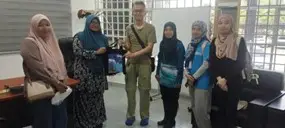
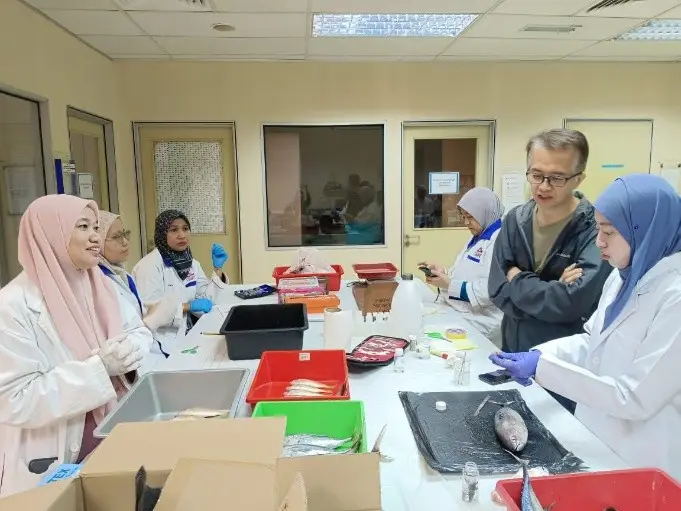
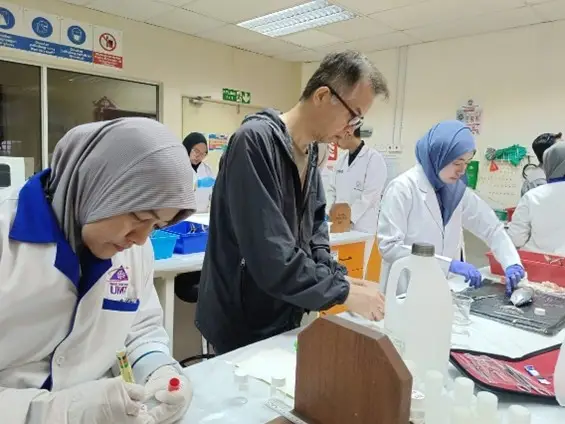
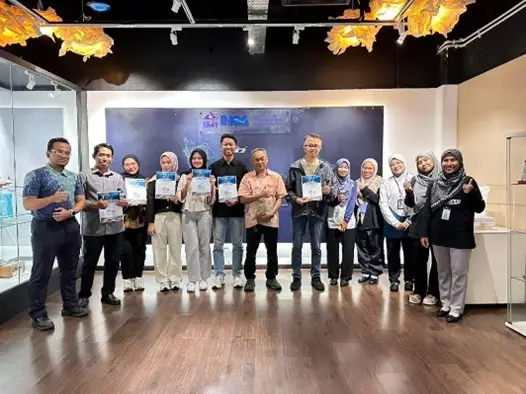
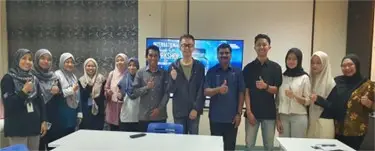
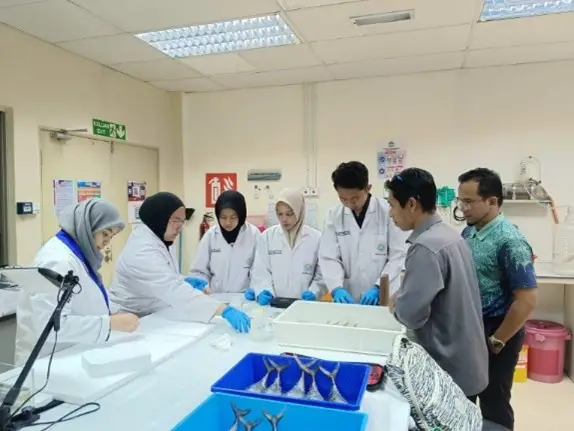
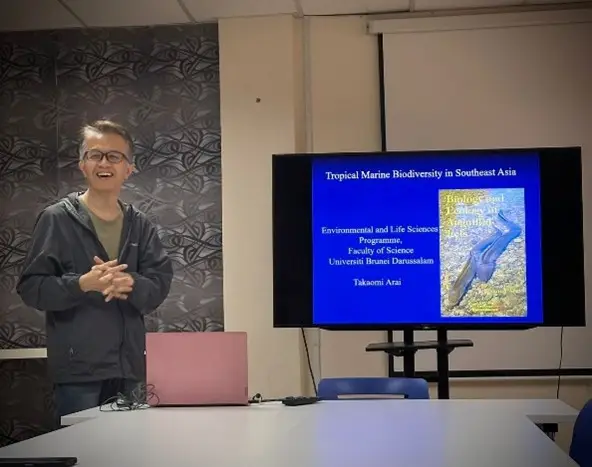
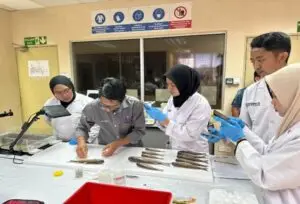
Concurrently, MARU supported the implementation of the international workshop at the Biodiversity & Biological Oceanography Laboratory (OBB), INOS, which brought together participants from Malaysia and Indonesia. The workshop was held on 13 November 2025, included participants from the Program Sangkutan Antarabangsa Inbound Pelajar, Universitas Airlanggar, Indonesia, under the supervision of Assoc. Prof. Dr. Nurul Ulfah Karim (Akuatrop, UMT). The workshop featured expert lectures by Prof. Takaomi Arai (UBD, Brunei), who presented on “Tropical Marine Biodiversity in Southeast Asia” and by Ts. Dr. Siti Tafzilmeriam Sheikh Abdul Kadir (INOS), who provided academic and technical perspectives on fish specimen handling and preservation. Intensive practical sessions were conducted by Mr. Sharol Ali (FPSM, UMT), training participants in specimen preparation.
Overall, the program not only expanded academic collaboration networks between regional institutions but also enhanced the scientific and technical skills of participants, provided fundamental molecular and ecological marine data, and reinforced MARU’s role in advancing mangrove-focused scientific research, ecosystem-based fisheries management, coastal aquaculture health monitoring, and the conservation of marine and mangrove biodiversity in Malaysia.