
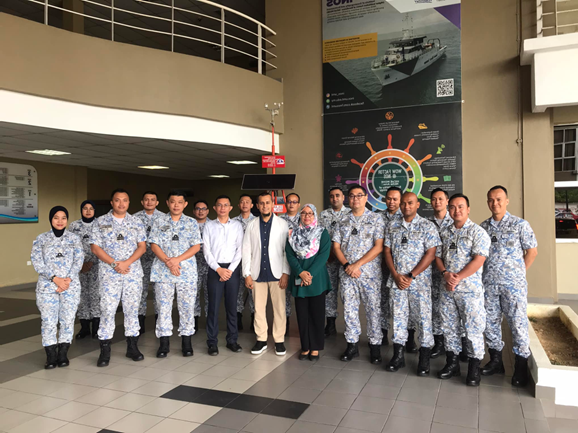

Marine Research Management Course 2022: A Catalyst for Change

The Marine Research Management Course 2022 was a great success. The course held on the 23rd September 2022 was attended by naval officers from the Royal Malaysian Navy.

Throughout the course, participants had the opportunity to learn about the latest techniques and technologies used in marine research and best practices for managing and leading research teams. They could also work on real-world research projects under the guidance of experienced marine researchers, which allowed them to apply what they learned in a practical setting.

One of the most valuable aspects of the course was the opportunity for participants to link with other professionals in the field and learned from the experiences of seasoned marine researchers. This provided valuable insights into the challenges and opportunities of working in the marine research field and helped participants develop a broader understanding of the industry.

Overall, the Marine Research Management Course 2022 was a great success and provided participants with valuable skills and knowledge in marine research management. We are excited to see the impact this training would have on the participants’ careers and the marine research industry as a whole. We look forward to hosting similar events in the future.

Abstract

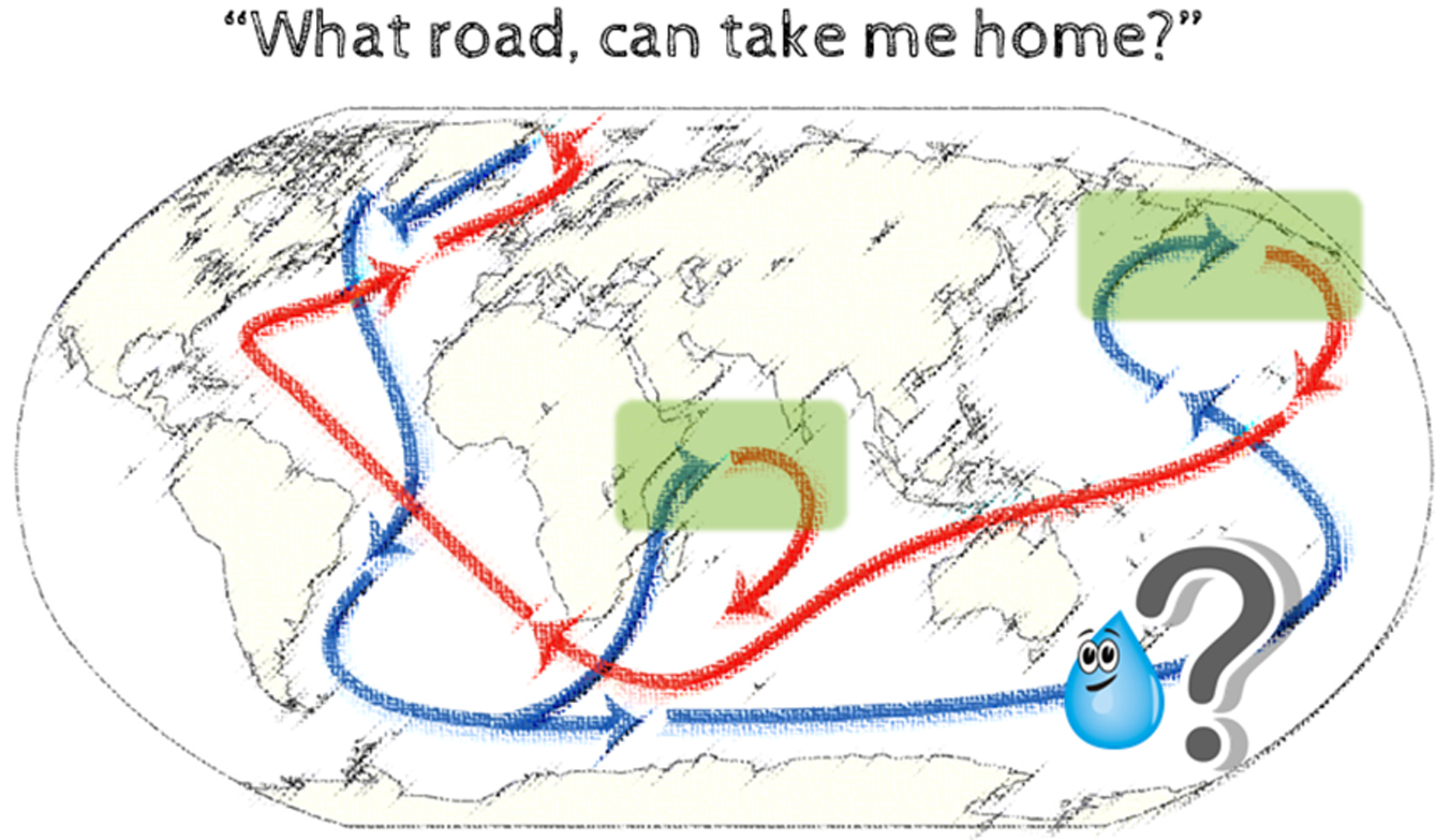
While the sinking formation of Antarctic Bottom Water (AABW) is well understood, how this bottom water "returns home" through upwelling within ocean basins, particularly the Indo-Pacific, remains shrouded in uncertainty. In the 1960s, Munk’s classic "Abyssal Recipes" theory sought to explain these abyssal flows, yet later observations exposed two significant conflicts with real-world data. In 2016, Ferrari, McDougall, and colleagues proposed the "Towards a New Abyssal Recipe" framework, introducing bottom boundary layer (BBL) upwelling to address Munk’s inconsistencies. Drawing on recent evidence of a potential cooling trend in the deep ocean, this talk revisits these debates, offering a fresh interpretation of Munk’s discrepancies and proposing a new mechanism for abyssal upwelling in the Indo-Pacific. It contributes to the ongoing quest to unravel how bottom waters complete their global journey.
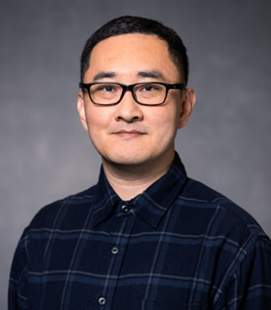
Presented by: Prof. Dr. HAN Lei
Affiliation: China-ASEAN College of Marine Science, Xiamen University, Malaysia
Address: Sepang, Selangor, Malaysia


This will close in 0 seconds