
Marine Informatics & Satellite Oceanography Laboratory (OSIM)

Marine Informatics & Satellite Oceanography Laboratory (OSIM) is run by experienced officers in the field of marine GIS and Remote Sensing, providing technical assistance services to researchers, students and other internal/external users. Our main focus is on the implementation of systematic data management and mobilizing the INOS database system.

The laboratory provides comprehensive remote sensing/GIS training services utilizing geo-spatial information based remotely sensed imagery, new and existing GIS data, and ground-based information. The lab is equipped with high-end equipment to assist researcher.

In addition, INOS through OSIM has been internationally recognized as an International Training Centre worldwide, especially in marine research environments. Since 2015, we have successfully organized multiple international courses under the IOC Ocean Teacher Global Academy (OTGA). Our training centre is equipped with advance remote sensing and GIS software, 20 high-end computer, projector, and high-speed internet

Our Main Objectives:

To become the main reference centre and service provider with regards to remote sensing and GIS in Marine sciences.

To provide services as an International Training Center (ITC) and Virtual Learning Center (VLC) in the field of Marine Sciences.

VLC Equipments:

  1. Multimedia TV
  2. Tablets
  3. High-End Projector
  4. Recording equipment (camcorder, webcam, headset with mic)
  5. Sound system
  6. Software for editing (Pinnacle Studio; Adobe Creative Suite (including Adobe Photoshop); InDesign (digital layout and publishing); After Effects (animations); Dreamweaver (website building); Fireworks (image editing); Flash Professional (animation); Illustrator (image editing); Premiere Pro (video and audio editing); Microsoft Office Suite.

Data Collections / Analysis Equipments:

  1. Workstation (20 unit)
  2. Spectroradiometer
  3. LISST
  4. Hydroscat
  5. Hyperspectral Radiance Sensor
  6. Light Meter
  7. RTK Satellite Navigation
  8. Drone DJI Matrice 100
  9. Drone Mavic Pro
  10. GPS

GIS / Remote Sensing / Survey Softwares:

  1. ArcGIS
  2. QGIS
  3. ERDAS
  4. IDRISI
  5. PCI GEOMATICA
  6. GLOBAL MAPPER
  7. ENVI
  8. Raster To Vector (R2V)
  9. SEADAS
  10. AutoCAD
  11. ServCAD
  12. SURFER
  13. AGISOFT
  14. Pix4D
  15. FLEDERMAUS

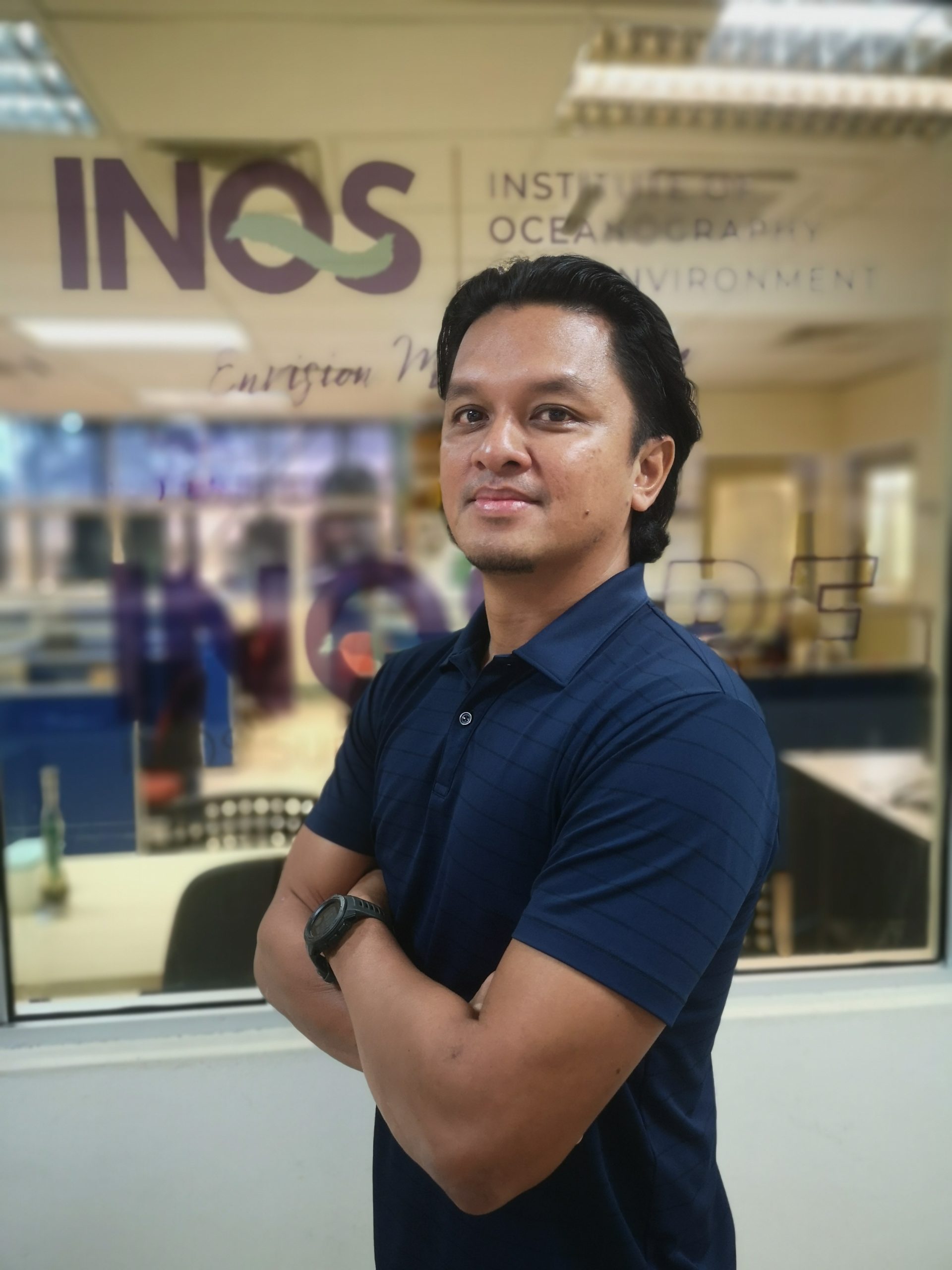
Shukri bin Arsad

Laboratory Manager

Senior Science Officer
Email: shukri81@umt.edu.my
Tel: +609-6683471
Fax: +6096692166

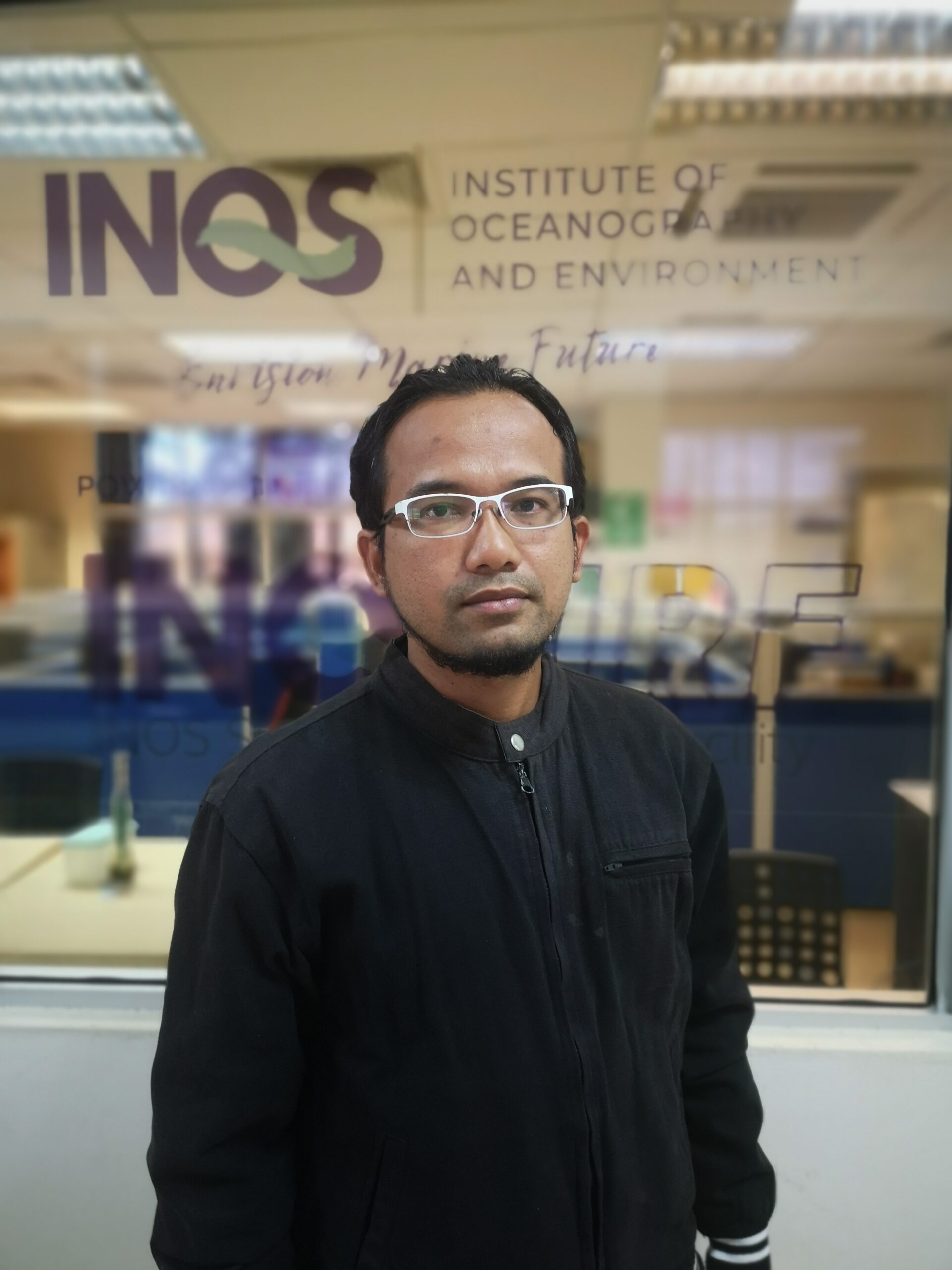
Ahmad Fakhrurrazi bin Mokhtar

Science Officer
Email: fakhrurrazi@umt.edu.my
Tel: +609-6683209
Fax: +6096692166

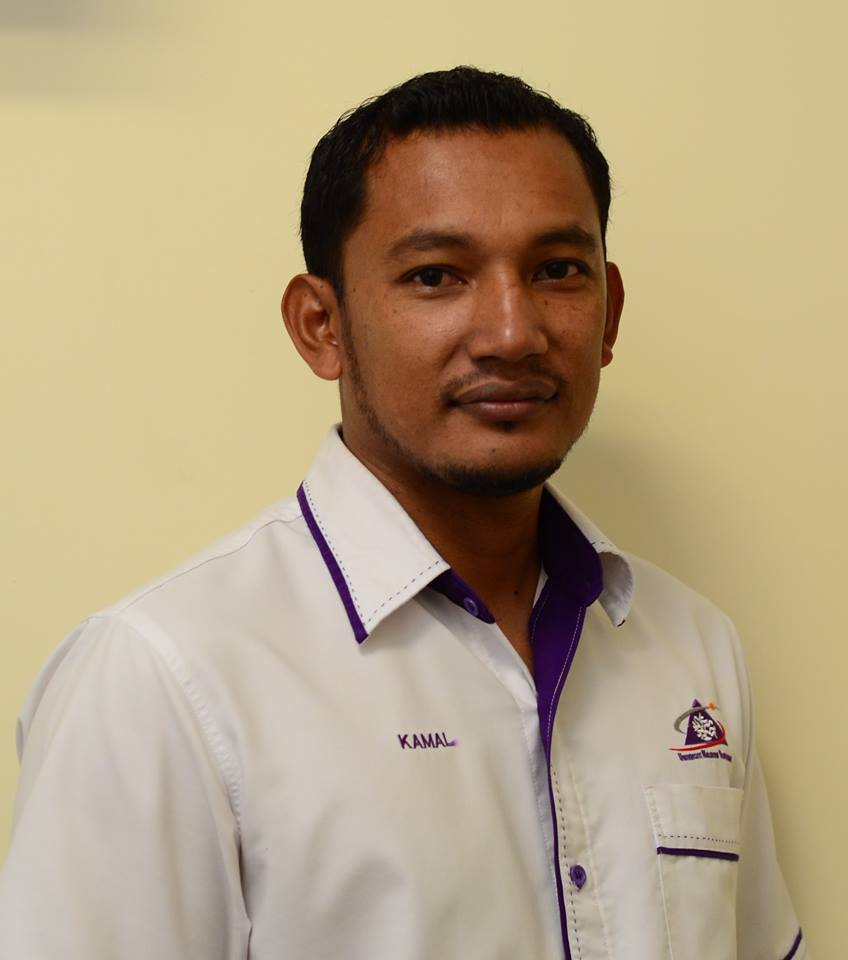
Che Mohd Kamarul Anuar bin Che Abdullah

Senior Assistant Science Officer
Email: kamal@umt.edu.my
Tel: +609-6683687
Fax: +6096692166

Abstract

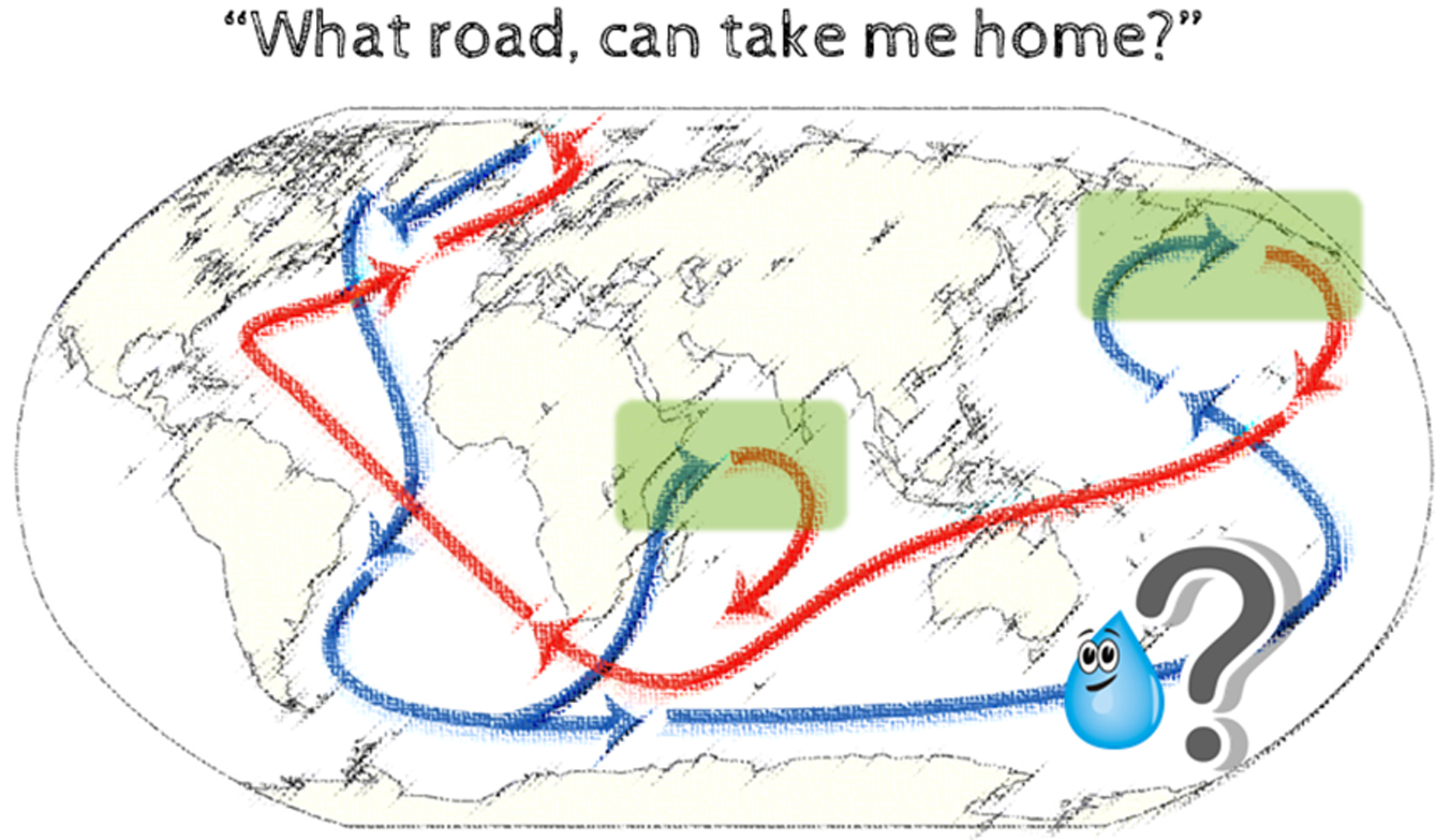
While the sinking formation of Antarctic Bottom Water (AABW) is well understood, how this bottom water "returns home" through upwelling within ocean basins, particularly the Indo-Pacific, remains shrouded in uncertainty. In the 1960s, Munk’s classic "Abyssal Recipes" theory sought to explain these abyssal flows, yet later observations exposed two significant conflicts with real-world data. In 2016, Ferrari, McDougall, and colleagues proposed the "Towards a New Abyssal Recipe" framework, introducing bottom boundary layer (BBL) upwelling to address Munk’s inconsistencies. Drawing on recent evidence of a potential cooling trend in the deep ocean, this talk revisits these debates, offering a fresh interpretation of Munk’s discrepancies and proposing a new mechanism for abyssal upwelling in the Indo-Pacific. It contributes to the ongoing quest to unravel how bottom waters complete their global journey.
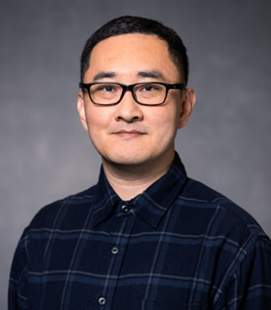
Presented by: Prof. Dr. HAN Lei
Affiliation: China-ASEAN College of Marine Science, Xiamen University, Malaysia
Address: Sepang, Selangor, Malaysia


This will close in 0 seconds