

INOS and DoFM Quest for a Better Pulau Kapas Marine Park

By Siti Tafzilmeriam Sheikh Abdul Kadir & Zainudin Bachok

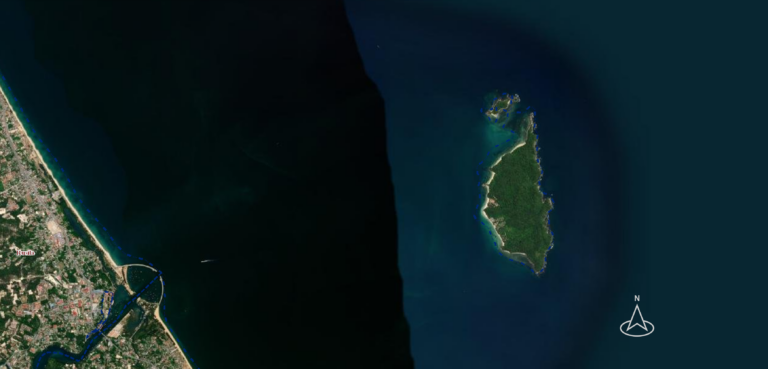
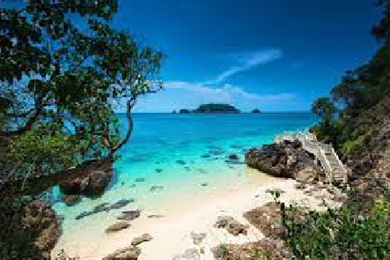
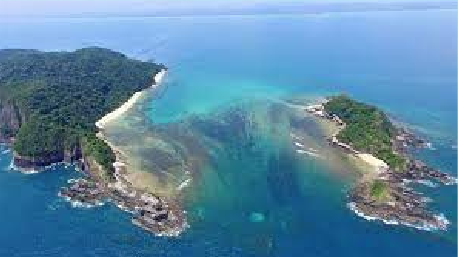
Pulau Kapas, a small island near Kuala Terengganu, is a serene sanctuary for nature lovers and adventure seekers in the east coast of Peninsular Malaysia. With its white sandy beaches and thick palm trees, it offers a laid-back environment and a “home away from home” vibe in a typical Malay village setting.

Snorkelling and diving are popular activities near the western shore’s shallow coral reefs, where tourists can see a variety of fish species and sea turtles. The island also has several good diving locations, including a World War II Japanese shipwreck, which has turned into an underwater “forest’ full of corals and fish.


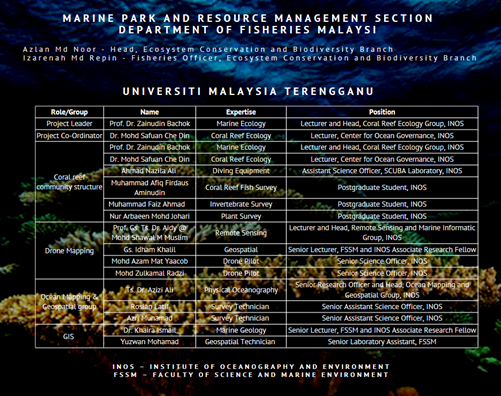
The Institute of Oceanography and Environment (INOS) and the Department of Fisheries Malaysia (DoFM) are collaborating to revitalise the Pulau Kapas Marine Park. This collaborative project aims to preserve coral reefs’ ecological and economic value. To that end, the INOS and DoFM have comprehensively researched the park’s habitats and resources, culminating in a field survey in July 2022.

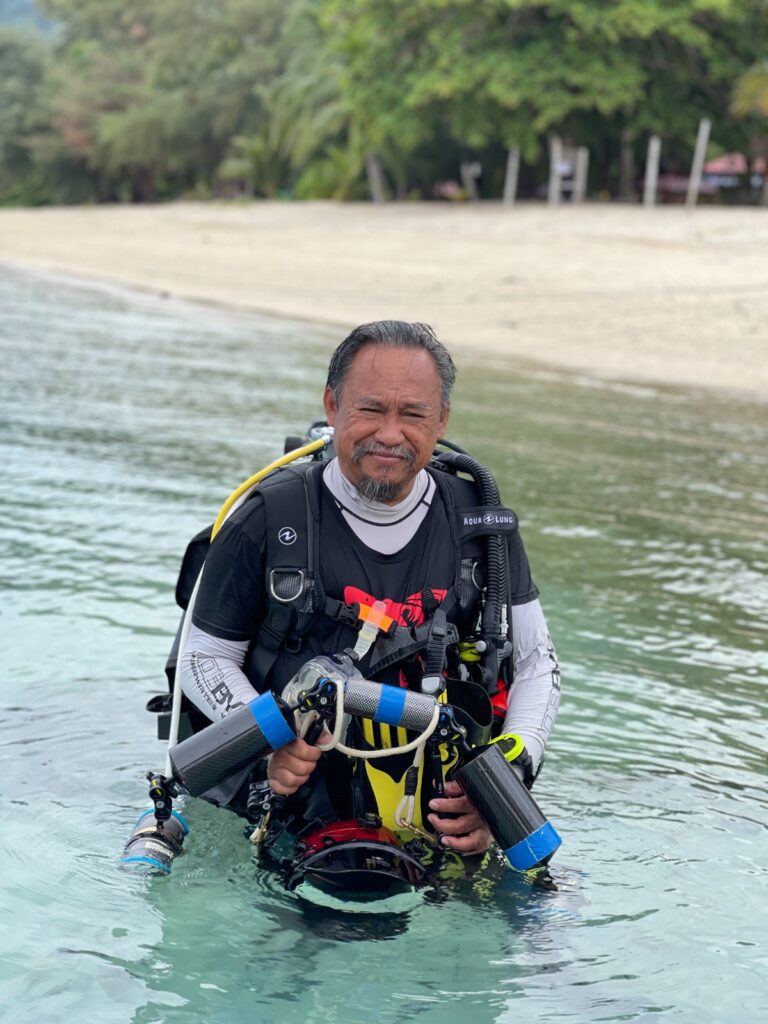
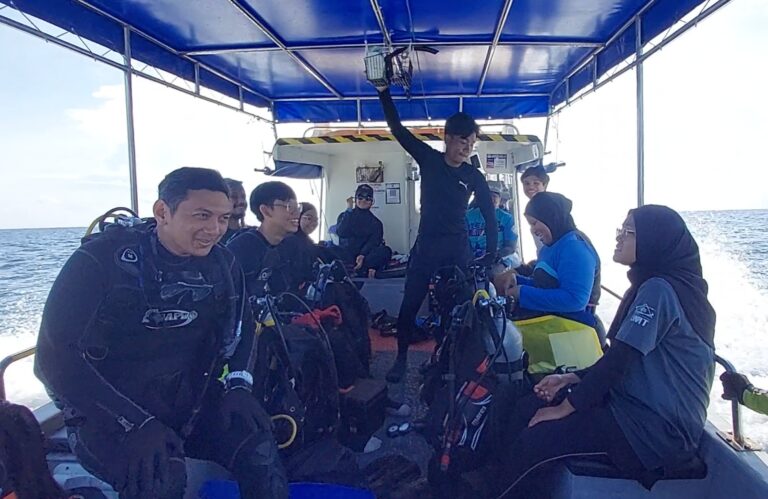
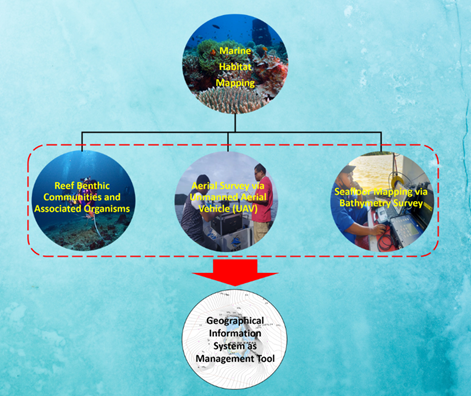
Prof. Dr Zainudin Bachok coordinated the study, which employed three approaches to collect data: SCUBA diving surveys, unmanned aerial vehicle (UAV) surveys of shallow reef areas, and sound mapping of the deeper bottom. A GIS technique was used to assess and arrange the data, which included information on the structure, shape, and distribution of corals and associated species.

The findings provide a comprehensive understanding of the reef’s features and will facilitate ecosystem-based strategic management via Marine Spatial Planning. This quest aims to build a map of the park’s habitats and resources that will aid in the management of Pulau Kapas Marine Park by enhancing communication, and facilitating evidence-based decision-making.

Abstract

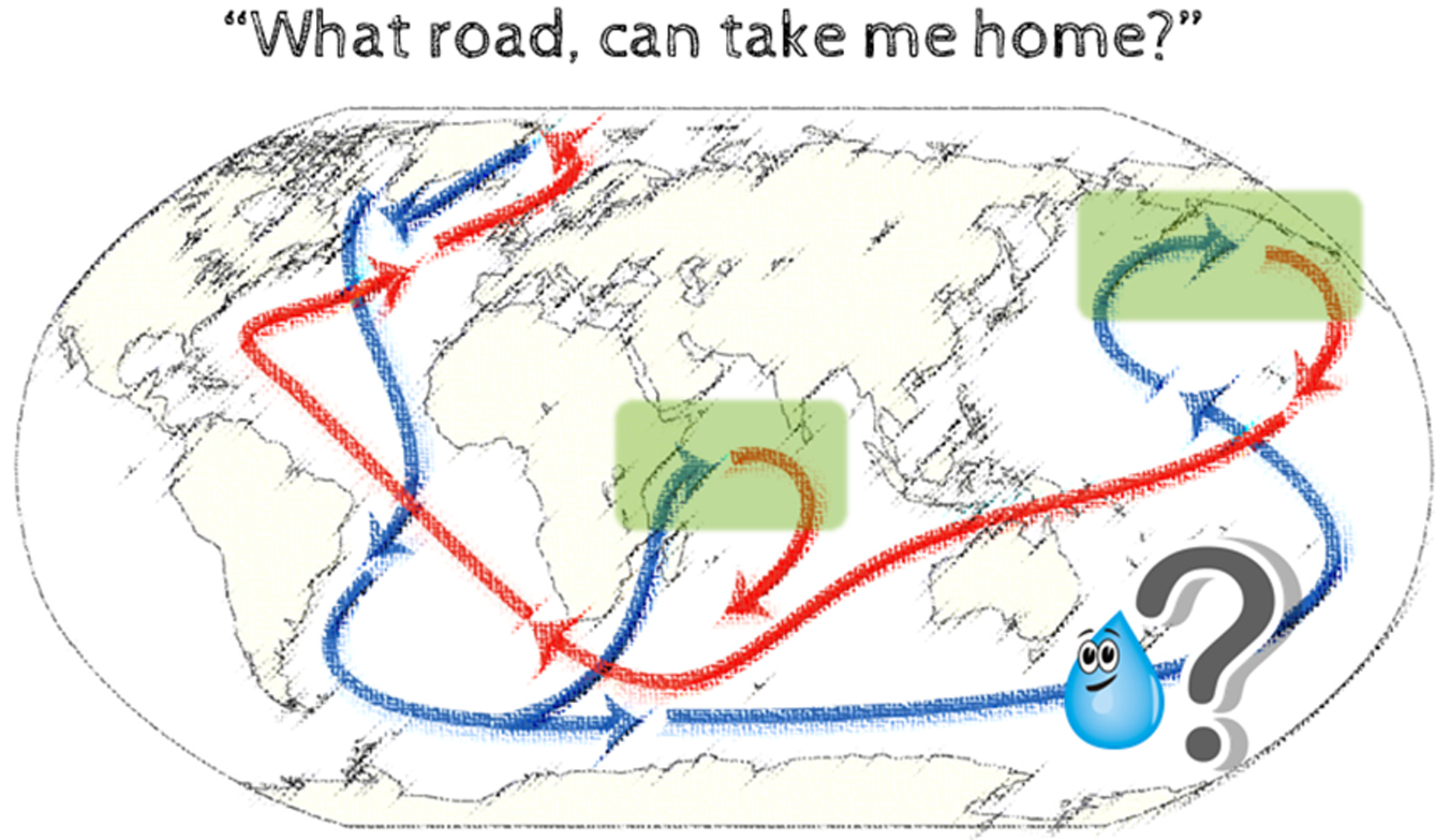
While the sinking formation of Antarctic Bottom Water (AABW) is well understood, how this bottom water "returns home" through upwelling within ocean basins, particularly the Indo-Pacific, remains shrouded in uncertainty. In the 1960s, Munk’s classic "Abyssal Recipes" theory sought to explain these abyssal flows, yet later observations exposed two significant conflicts with real-world data. In 2016, Ferrari, McDougall, and colleagues proposed the "Towards a New Abyssal Recipe" framework, introducing bottom boundary layer (BBL) upwelling to address Munk’s inconsistencies. Drawing on recent evidence of a potential cooling trend in the deep ocean, this talk revisits these debates, offering a fresh interpretation of Munk’s discrepancies and proposing a new mechanism for abyssal upwelling in the Indo-Pacific. It contributes to the ongoing quest to unravel how bottom waters complete their global journey.
Presented by: Prof. Dr. HAN Lei
Affiliation: China-ASEAN College of Marine Science, Xiamen University, Malaysia
Address: Sepang, Selangor, Malaysia



This will close in 0 seconds