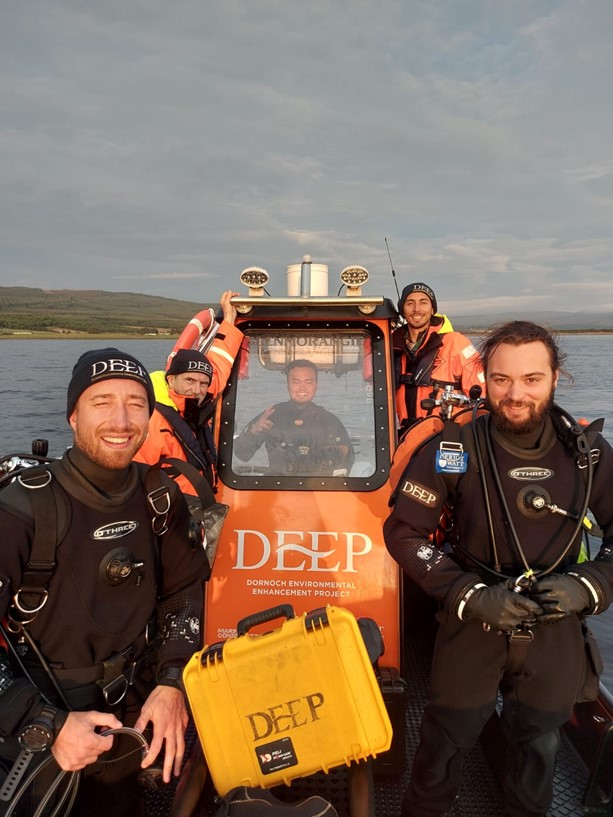
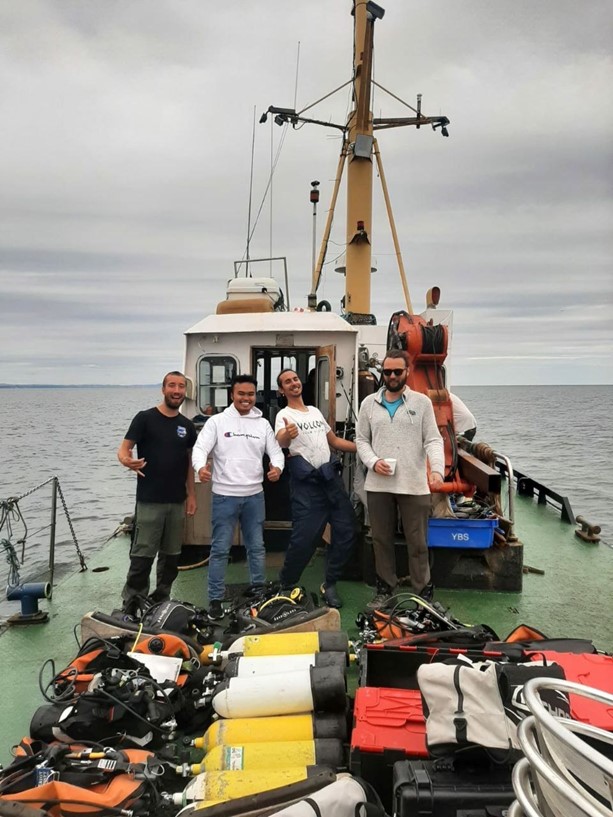
The ‘Dornoch Environmental Enhancement Project’ (DEEP) at Heriot-Watt University, Scotland, has been active for nearly a decade, starting in 2014. This initiative, in collaboration with Glenmorangie, which provided initial funding, is led by Prof. Bill Sanderson and involves the Marine Conservation Society, which facilitates community engagement.
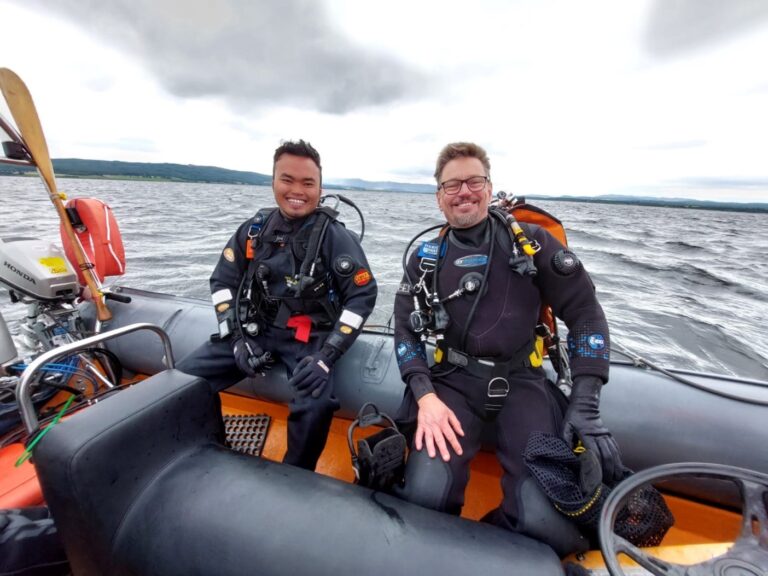
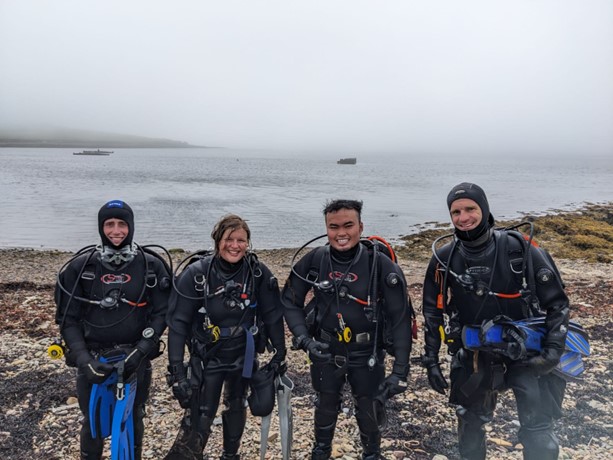
Hanif Akbar bin Awaluddin, a Master’s student from the Institute of Oceanography and Environment (INOS), Universiti Malaysia Terengganu, has been selected to participate in the 2023 research attachment program with DEEP. His research focuses on oxidative stress in Ostrea edulis specimens in the Dornoch Firth Protected Area, Scotland. Hanif received a GBP 3,000 grant from Heriot-Watt University to support his research, including accommodation and Dry Suit Training, from June 30, 2023, to September 15, 2023, under the supervision of Prof. William Bill Sanderson.
This opportunity is exceptional, as it is the first time a UMT student, specifically Hanif, has been offered this research attachment. Additionally, the financial award for conducting research at DEEP has not been offered to any student from European or Asian universities before. Hanif’s supervisor, Dr. Siti NurTahirah Jaafar, has established research collaborations with experts at Heriot-Watt University, and this student’s participation will further strengthen these research ties.
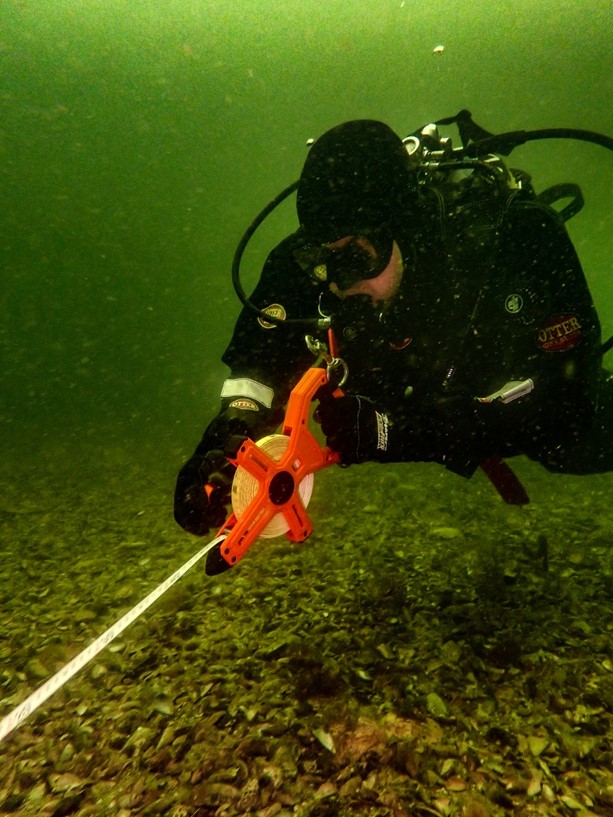
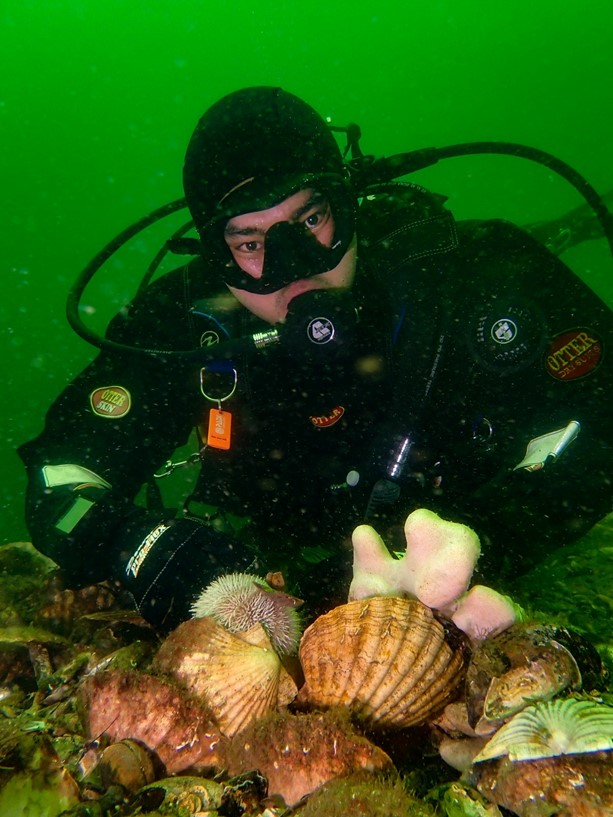
The DEEP research attachment involves multiple phases. The next phase will use waste from the shellfish industry to cover the seabed at two locations, creating the first oyster reef sites. This will stabilize sediments and allow oysters to grow. About 20,000 oysters will be placed on these reefs, with scientists monitoring them every six months. The number of oysters will increase to 200,000 over three years and approximately four million over five years, covering around 40 hectares.
In 2023, candidates for this financial aid were selected based on the quality and feasibility of their proposed research. Priority was given to research proposals demonstrating significant contributions to the field of oxidative stress. Hanif’s research on the effects of Bisphenol A on sea urchins, considering seasonal variations in enzyme activity, aligns perfectly with the restoration and recovery studies of keystone species, Ostrea edulis, in the Dornoch Firth Protected Area. This program enables students to gain a comprehensive understanding of the specimens studied at UMT by comparing them with those at Heriot-Watt University. His research on marine invertebrates is highly relevant to the opportunities provided by this program.