Exploration and Ecological Insights
into the Offshore Coral Reefs of Sarawak
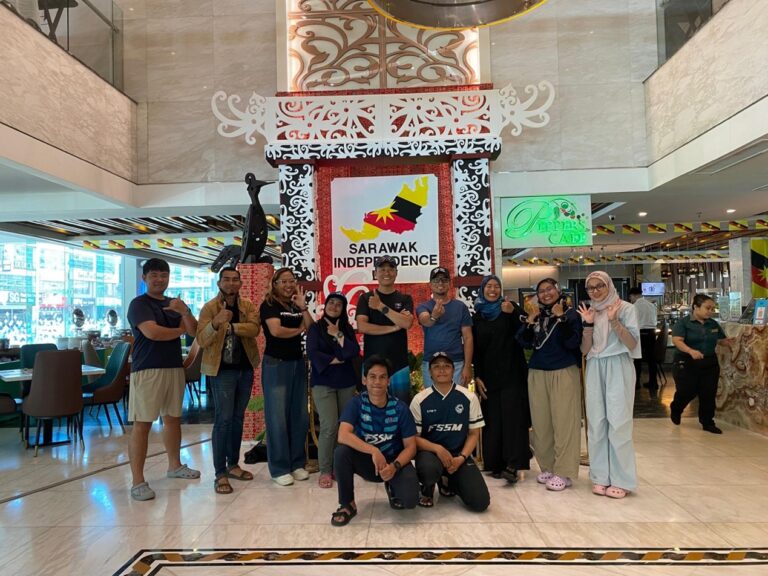
UMT’s team members – front (from left – Rahman and Arham), back (from left – Ling Yang, Rafiq, Bella, Zahirah, Dr. James Tan, Dr. Safuan, Puteri, Qamarina and Sabrina).
By Mohd Safuan Che Din (INOS)
Luconia Shoals National Park (LSNP) is the largest marine protected area (MPA) in Malaysia, encompassing over 1 million hectares (1,011,772 ha) of ocean space in Sarawak waters. Officially gazetted in 2018 by the Sarawak State Government, this expansive offshore area lies approximately 200 km from the Sarawak coastline, representing one of the most remote and least disturbed marine habitats in the country.
The park is ecologically and geologically complex, consisting of a series of submerged reefs and shoals, which are grouped into two major reef clusters: Gugusan Beting Raja Jarum in the north and Gugusan Beting Patinggi Ali in the south. Notable reefs within these clusters include Terumbu Lang Ngindang (Heyes Reef), Terumbu Litong (Tripp Reef), and Beting Rentap (Friendship Shoal) in the north, as well as Terumbu Sahap (Stigant Reef), Terumbu Balingian (Richmond Reef), and Beting Merpati (Comus Shoal) in the south. This division reflects not only the park’s scale but also the diversity of its reef habitats.
Though the Luconia Shoal region is widely associated with oil and gas activities, it is equally remarkable for its exceptional marine biodiversity. The park harbours extensive coral reef ecosystems that span from shallow reef flats (10 – 20 m) to Mesophotic Coral Ecosystems (MCEs) at depths exceeding 30 metres. These mesophotic zones are dominated by reef-building hard corals, which slowly deposit calcium carbonate, giving rise to massive seamount-like reef structures that support an incredibly diverse and productive marine ecosystem. Several coral species and reef-associated fish that are rare or absent in nearshore waters have been recorded in LSNP, emphasising its ecological uniqueness.
In addition to its ecological significance, LSNP plays an important role in fisheries productivity, acting as a nursery and habitat for a variety of commercially important species such as giant trevally, groupers, snappers, and dogtooth tuna. The presence of such species not only supports biodiversity but also enhances the potential value of sustainable fisheries in offshore Sarawak waters.
The Sarawak Forestry Corporation (SFC), a statutory body under the Sarawak Government, is entrusted with the management of LSNP. As part of its conservation commitment, SFC has launched several initiatives aimed at improving the ecological understanding and management of the park. In July 2025, under the framework of the Ecological Fiscal Transfer (EFT) project, SFC initiated a comprehensive coral reef survey to support the development of a Species Conservation Action Plan (SCAP) for LSNP.
To carry out this work, SFC collaborated with researchers from the Institute of Oceanography and Environment (INOS) at Universiti Malaysia Terengganu (UMT). The research team, led by Assoc. Prof. Dr. Tan Chun Hong and Dr. Mohd Safuan Che Din, was supported by 11 research assistants and worked alongside five SFC officers. Over the course of 16 days (10–25 July 2025), the team conducted SCUBA-based field surveys, targeting benthic reef components, reef fishes, macroinvertebrates, and other reef-associated organisms. Coral specimens were also collected for species-level identification using DNA analysis, which contributes to a growing genetic library of Malaysia’s coral fauna.
Given the park’s isolation, a Live-On-Board (LOB) diving vessel was used to access various sites across LSNP. The voyage to the northernmost reef took over 16 hours, highlighting the logistical challenges of working in such remote areas. Yet, the remoteness of LSNP has also allowed it to remain relatively pristine and undisturbed by coastal development or mass tourism, making it a natural laboratory for marine research.
In conclusion, Luconia Shoals National Park represents a cornerstone of Malaysia’s marine conservation efforts. Its immense size, habitat complexity, and biological richness make it an invaluable asset for scientific research, biodiversity protection, and sustainable fisheries. The collaborative efforts between SFC and academic institutions such as UMT underscore the importance of multi-stakeholder partnerships in safeguarding Malaysia’s marine heritage for future generations.
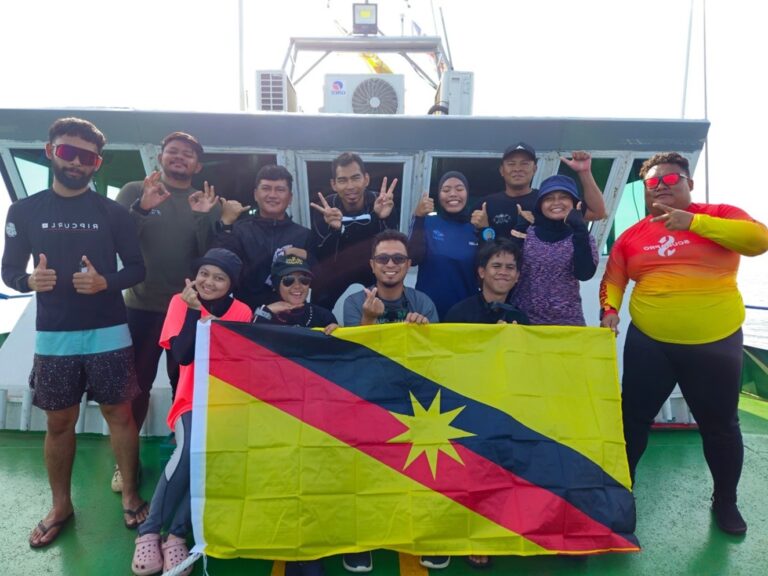
Last day of survey in conjunction with Sarawak Day.
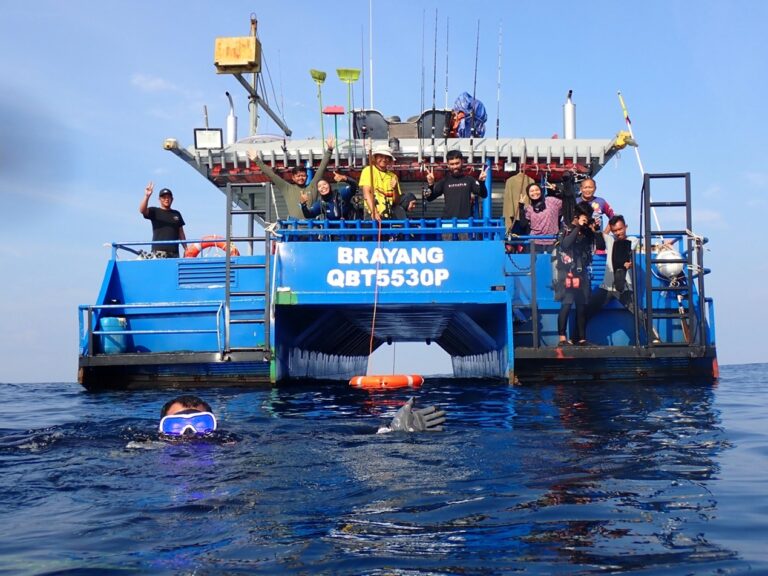
Live-on-Board vessel was used for the survey in LSNP.
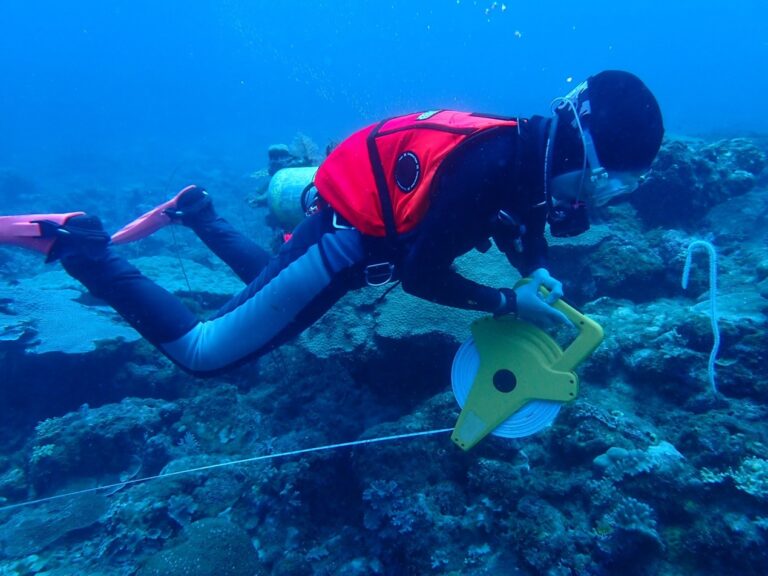
A 100 m transect was lay following reef contour for data collection.
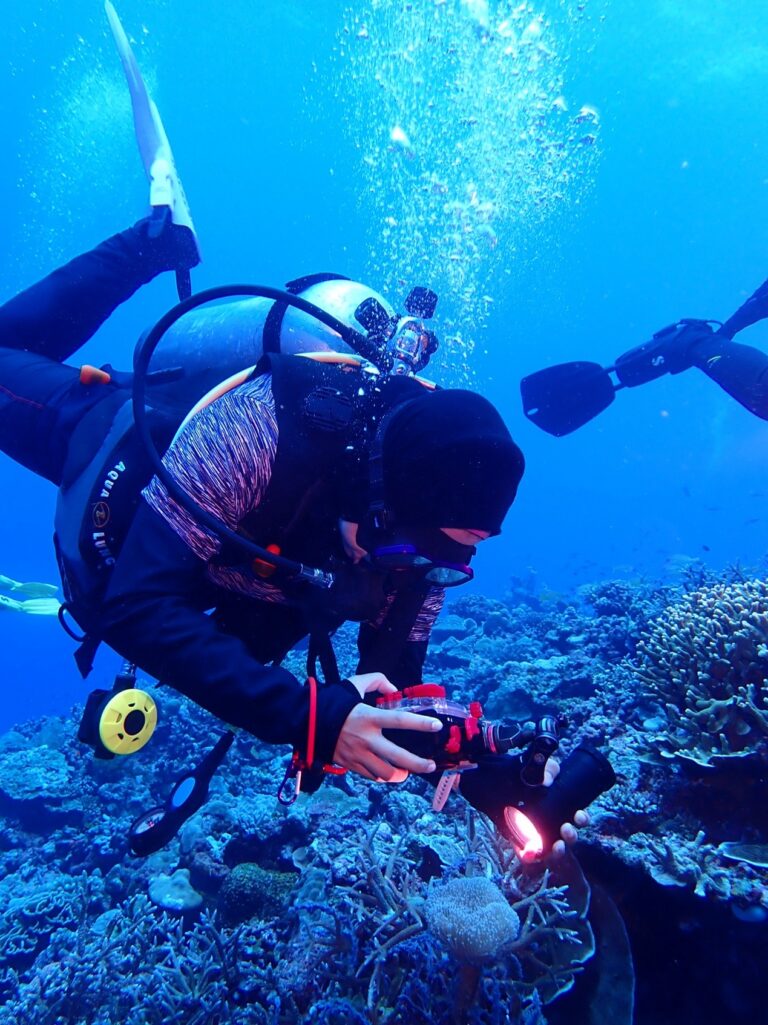
Diver conducting Coral Video Transect, CVT method to record the reef floor of LSNP.
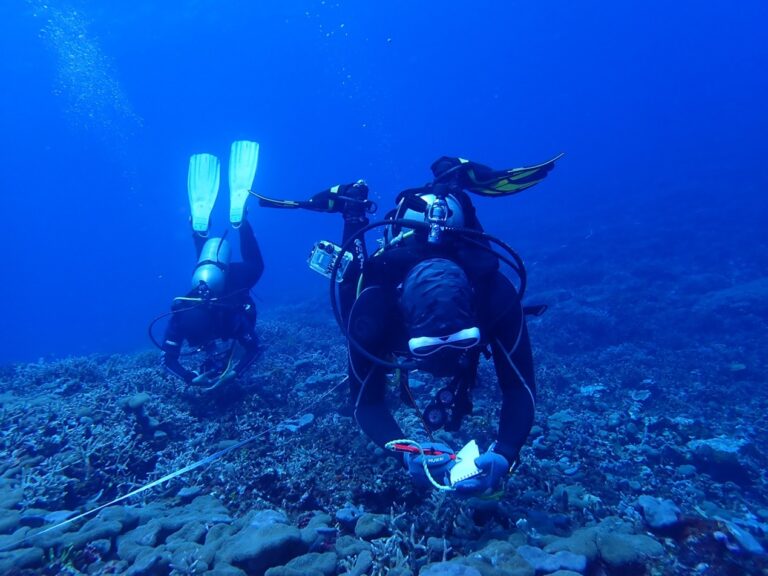
Divers collecting data of benthic macroinvertebrates along a belt transect.
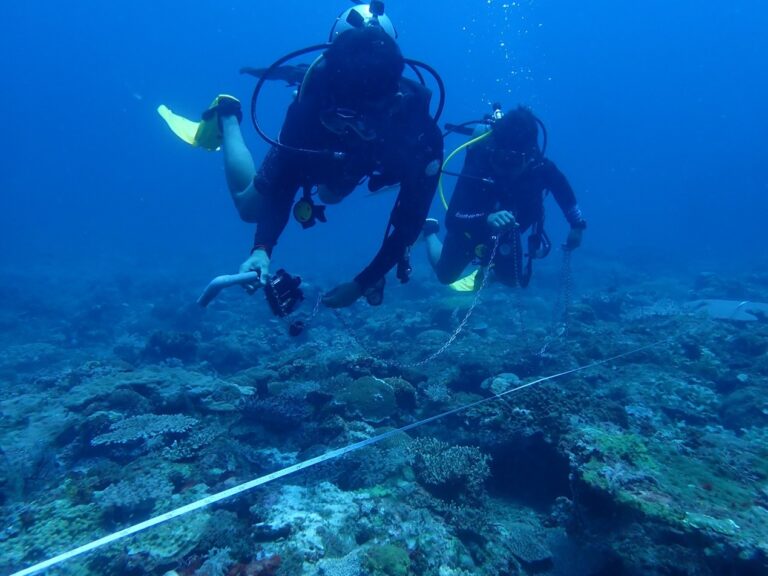
Diver from SFC conducting chain method survey to estimate reef rugosity.
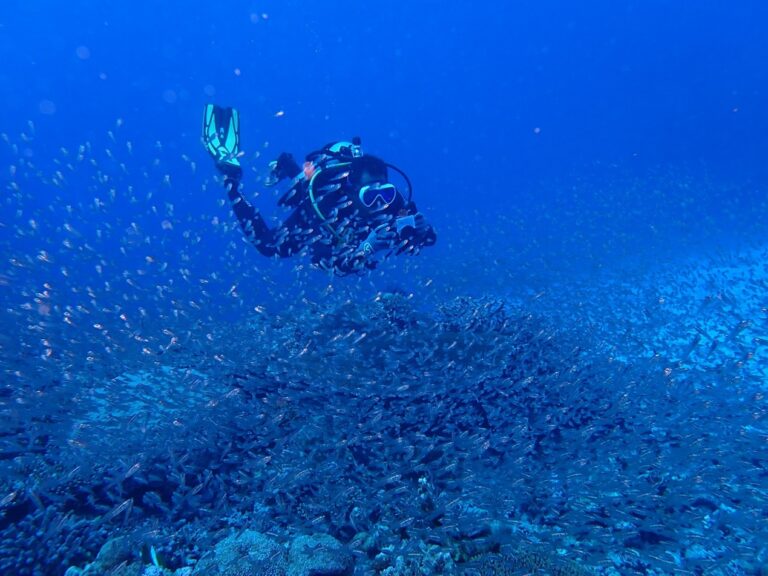
Underwater visual census for reef fish survey.
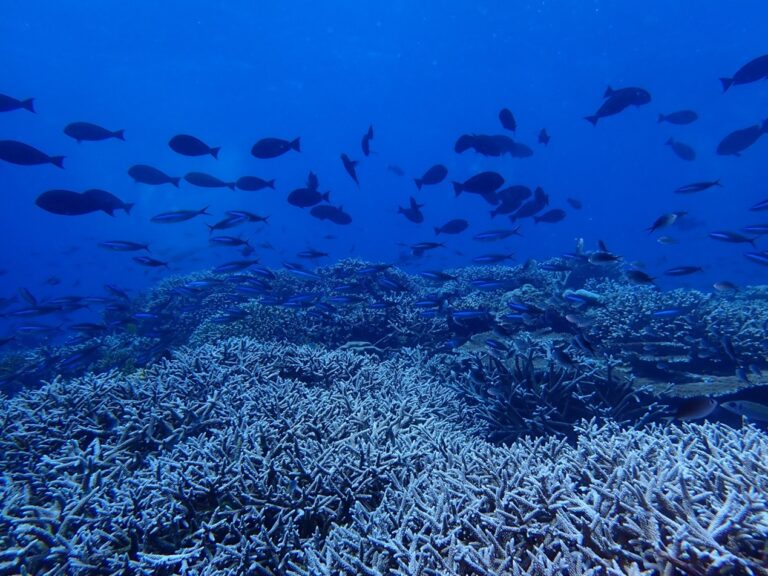
Large school of reef fishes such as surgeon and fusilier can be found in LSNP.
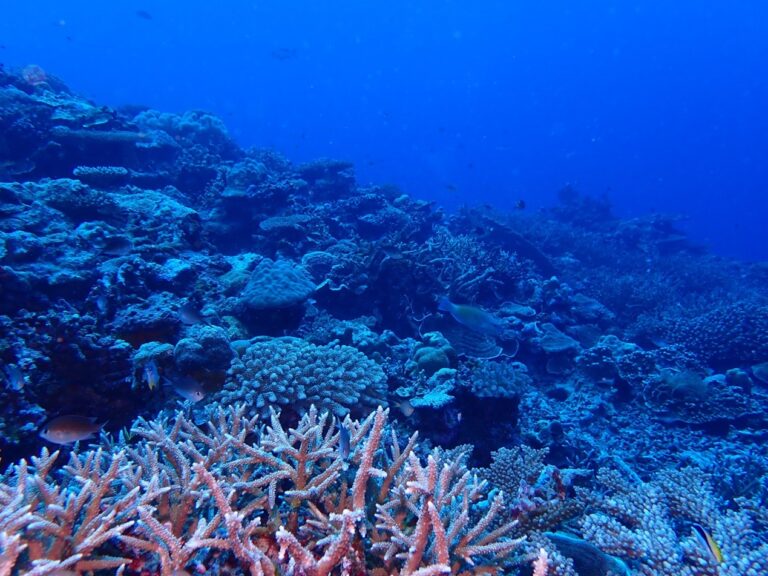
Diverse hard coral species with various growth form such as branching and massive coral.
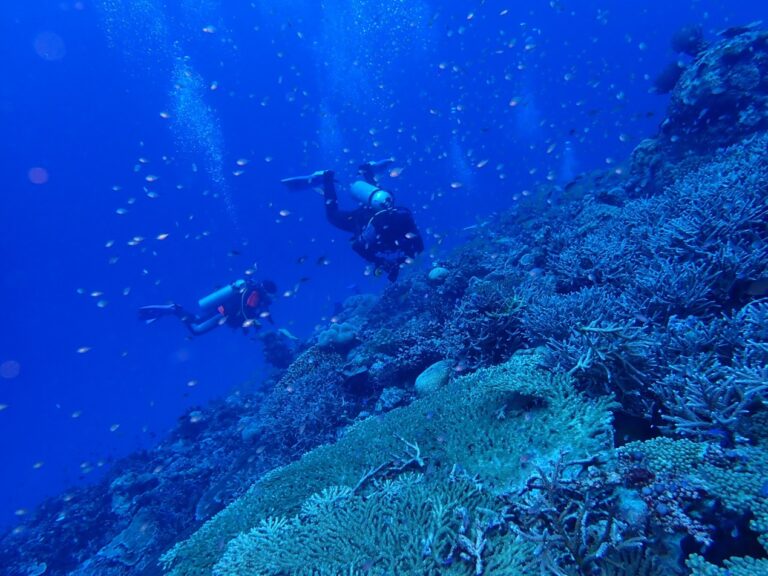
Top view of a steep slope reef in LSNP.
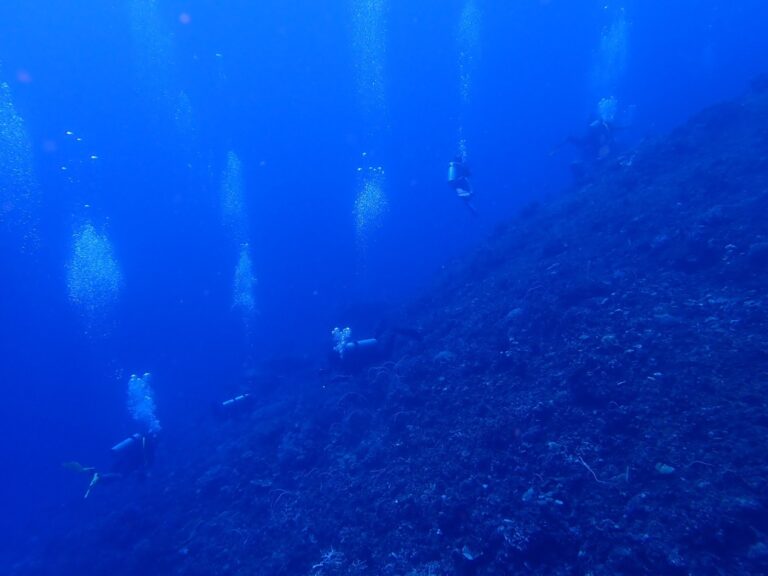
A comparison between human size and large seamount of coral reef ecosystem in LSNP.