


Director’s Notes

SCIENTIFIC JOURNEY WITH IMPACTFUL OUTCOME

All praise is to Allah, and may peace and blessings be upon Rasulullah.

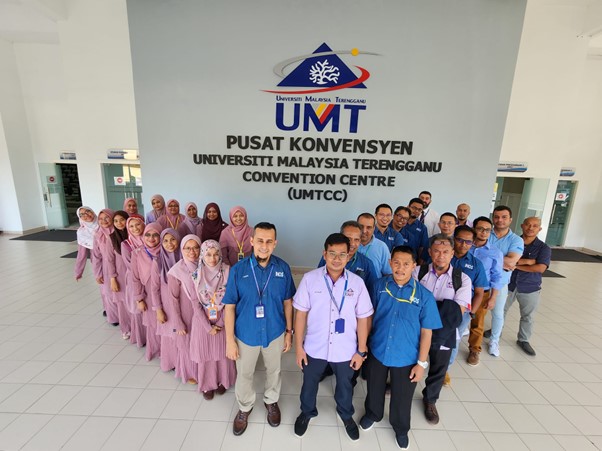
Each year is an opportunity for us to perform our best to answer critical needs of our nations relating to the ocean and marine environment. 2023 will be another step for INOS as we pursue for a stronger network with various stakeholders. Our new multi-user lab will allow various faculties, industries and communities (citizen scientists) to co-design their scientific journey with a more impactful outcome. This will complement our new strategic approach, where we focus on merging research with innovation and technology across several vital aspects, from ocean prediction to marine conservation.

We are also excited about our new research program under the HICOE flagship, which will continue to bring us forward towards the frontier in Malaysia’s marine research. Coastal resilience, marine conservation, and ocean governance will be the robust framework covering mangroves to the coral reefs, ocean prediction, and societal impacts.

We want to announce our first start-up company, Ocean Hydro Sdn. Bhd. that would serve the industrial and national needs in ocean data solutions through our innovative in-house products of ocean forecast and prediction.

We look forward to the future, implementing our new strategic framework to boldly explore our “unknown” oceans for the benefit of the nation.

Abstract

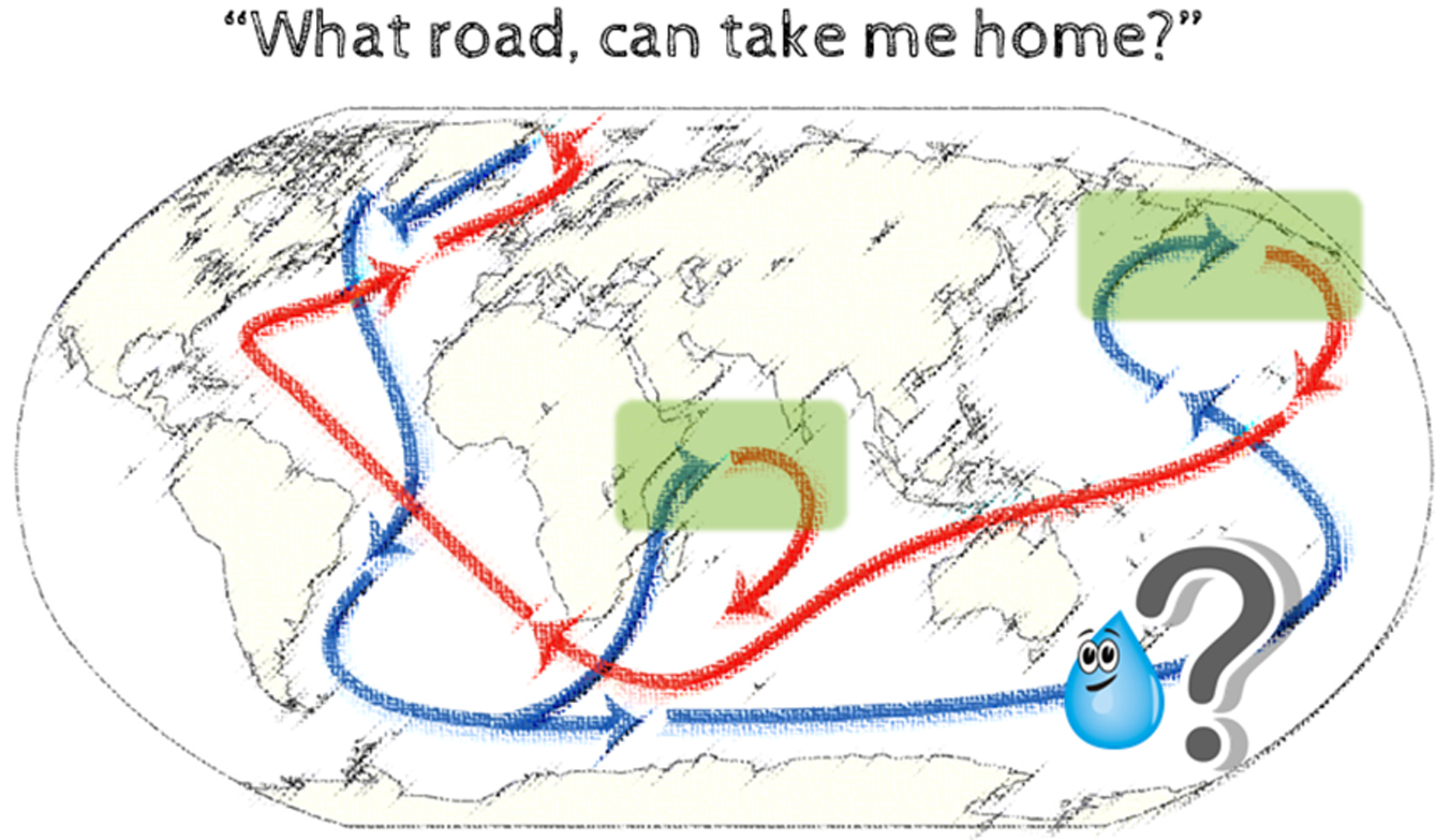
While the sinking formation of Antarctic Bottom Water (AABW) is well understood, how this bottom water "returns home" through upwelling within ocean basins, particularly the Indo-Pacific, remains shrouded in uncertainty. In the 1960s, Munk’s classic "Abyssal Recipes" theory sought to explain these abyssal flows, yet later observations exposed two significant conflicts with real-world data. In 2016, Ferrari, McDougall, and colleagues proposed the "Towards a New Abyssal Recipe" framework, introducing bottom boundary layer (BBL) upwelling to address Munk’s inconsistencies. Drawing on recent evidence of a potential cooling trend in the deep ocean, this talk revisits these debates, offering a fresh interpretation of Munk’s discrepancies and proposing a new mechanism for abyssal upwelling in the Indo-Pacific. It contributes to the ongoing quest to unravel how bottom waters complete their global journey.
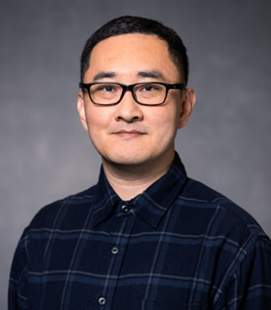
Presented by: Prof. Dr. HAN Lei
Affiliation: China-ASEAN College of Marine Science, Xiamen University, Malaysia
Address: Sepang, Selangor, Malaysia


This will close in 0 seconds