Deployment of Unjam
– Pengkalan Jie Fisheries Community Program
By Joseph anak Bidai (INOS)
Deployment of Unjam – Pengkalan Jie Fisheries Community Program
Date: 8 – 9 August 2025
Location: Pengkalan Jie, Terengganu, Malaysia
Introduction
Along the coast of Terengganu, the lives of fishermen have always been closely tied to the rhythm of the sea, the ebb and flow of the tides, changing seasons, and the unpredictable presence of fish. For the fishing community of Pengkalan Jie, one traditional practice that remains relevant to this day is the use of unjam, an artificial fish aggregating device (FAD) deployed on the seabed to attract fish. More than just a fishing technique, it represents a heritage of traditional knowledge passed down from one generation to another, adapted over time while retaining its fundamental principle: the sustainable use of natural resources to support livelihoods
On 8 and 9 August 2025, the Pengkalan Jie Fishing Community, in collaboration with Universiti Malaysia Terengganu (UMT), carried out an unjam deployment activity in the waters off Kuala Nerus. The deployment sites were identified using a Global Positioning System (GPS). The activity also received support from Pusat Sekolah Memandu Academy (M) Bhd, which contributed coconut fronds as the primary material for the construction of the unjam. The programme was led by Mr. Zulfauzi (Jie) and Mr. Fadhli (Man), who serve as the Penghulu and association secretary, respectively. A similar activity was previously organised in collaboration with UMT in 2023.
Day 1 – Collecting and Preparing Coconut Fronds
The objective of the first day was clear: to collect enough coconut fronds for the construction of unjam.
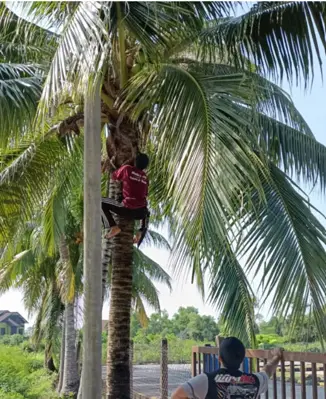
A total of 10 members were involved in the activity, each bringing equipment such as machetes, saws, and ropes. Some climbed the coconut trees while others remained on the ground to collect the cut fronds. Each fallen frond was promptly gathered, cleaned of old or damaged leaves, and neatly arranged. After working for four hours, the collected fronds were loaded into a four-wheel-drive vehicle and transported back to the base.
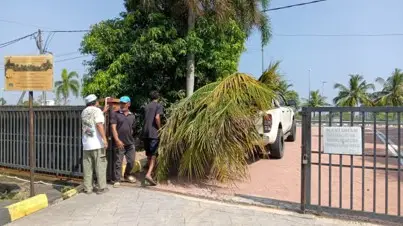
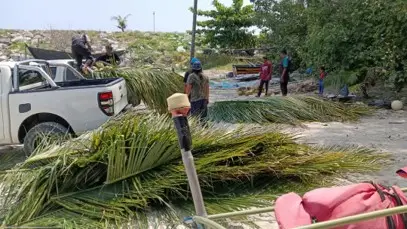
Night Work – Tying Coconut Fronds to the Main Rope
The work on the first day did not end when the sun went down. At 9:00 PM, the team began tying coconut fronds onto the main ropes. The base area was illuminated by floodlights, while the shadows of the coconut fronds swayed gently in the night breeze.
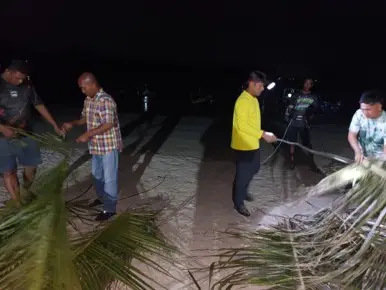
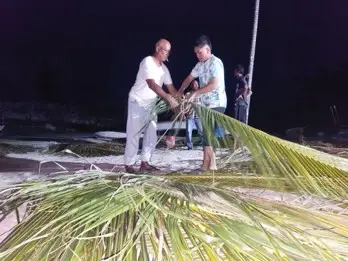
Each unjam, required a 10-fathom main rope, with seven coconut fronds attached at specific intervals. This process required proper tying techniques to ensure that the knots would not come loose once deployed on the seabed and that the fronds would remain securely positioned despite strong ocean currents. The ropes used were high-quality natural coir ropes that would eventually decompose into environmentally friendly materials.
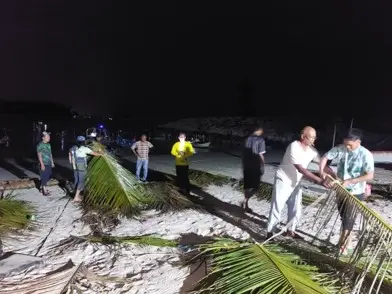
The atmosphere during the night shift was relaxed yet focused. Some participants tied the fronds, others trimmed excess leaves, while the rest organised the completed sections. Occasional laughter broke the silence of the night, creating a sense of camaraderie among the team. By midnight, all the sets scheduled for that day had been neatly arranged and were ready for the next stage of attaching the weights.
Day Two – Preparing the Weights and Final Arrangements
The morning of 9 August began with a different but equally important task: preparing the weights for the unjam. The weights were made from sacks filled with sand, with every two sacks combined into a single unit. This method was chosen because it could withstand ocean currents and keep the unjam in position for approximately six to ten months before the sacks naturally decomposed.
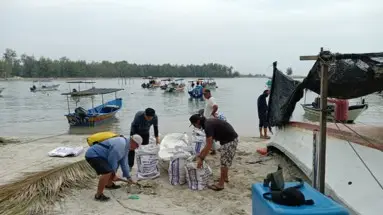
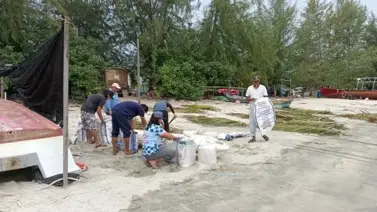
Once the weights were ready, the ends of the ropes that had been prepared the previous night were securely tied to the sandbag units. This connection was a critical component of the entire structure, as any failure at this point could cause the unjam to drift away with the currents.
Deploying the unjam at Sea
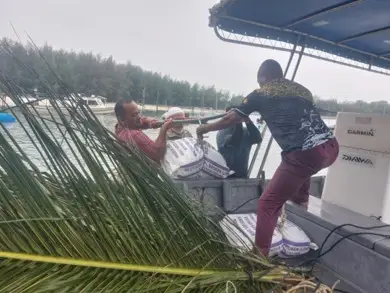
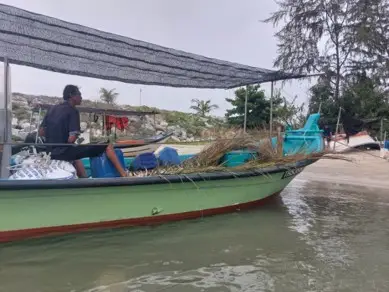
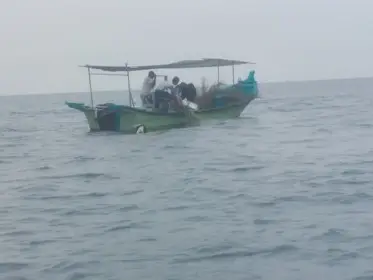
With all preparations completed, seven unjam units were loaded onto a fishing boat. The boat then headed toward a predetermined location marked using GPS coordinates. The site selection was not random; it was based on the fishermen’s experience and knowledge of ocean currents, water depth, and fish migration routes.
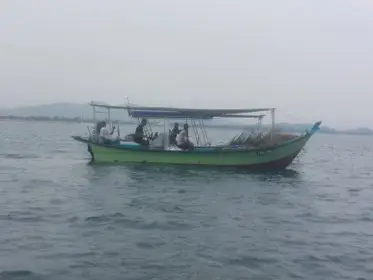
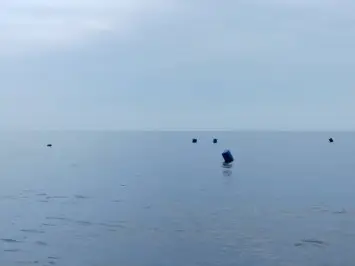
The deployment process was carried out one unjam at a time. Upon reaching the designated coordinates, the weighted sandbags were carefully lowered into the sea, followed by the coconut fronds that gradually descended through the water column. This operation required precision, as the unjam needed to be deployed relatively close to one another to maximise their effectiveness in attracting fish.
Throughout the deployment process, team members maintained constant communication and recorded the coordinates of each unjam for future reference. Within a few weeks, the area was expected to attract various species such as scads, mackerel, and squid, as the unjam would provide shelter and feeding opportunities for smaller marine organisms.
Function and Importance of unjam
Unjam functions as an artificial structure designed to attract and concentrate fish within a specific area of the sea. The coconut fronds serve as a natural shelter, particularly for small fish seeking protection from predators. Over time, the fronds become a substrate for the growth of algae, marine biofilms, and plankton communities, which in turn attract small fish looking for food.
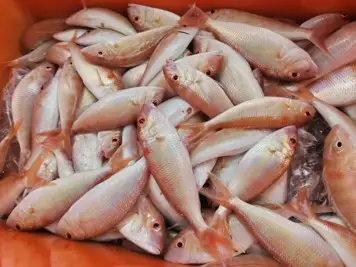
As small fish gather around the structure, larger predatory species are drawn to the area to feed, creating a complete ecological food chain. For fishermen, this makes the unjam an efficient fishing location, reducing both fuel consumption and the time spent searching for fish.
From a sustainability perspective, strategically placed unjam can help reduce fishing pressure on natural coral reef ecosystems, allowing these habitats more time to recover and regenerate. In the long term, they contribute to maintaining stable fish populations and ensuring that marine resources remain productive for future generations.
Conclusion
The unjam deployment activities conducted on 8–9 August 2025 demonstrate that traditional fishing techniques remain highly relevant in the modern era when supported by proper management, technology, and strong community collaboration. Every coconut frond tied, every sandbag lowered into the sea, and every GPS coordinate recorded represents a step toward ensuring that the ocean continues to provide sustainable livelihoods for fishing communities.
Through the deployment of these unjam, local fishermen hope to see increased fish catches in the coming months while ensuring that future generations can continue to benefit from the same valuable resource—a healthy, productive, and sustainable marine environment filled with life.