


Deadly Jellyfish Spotted on Local Beach - RRC Team Takes Action

Portuguese Man’O War (PMOW)

By Izwandy Idris & Ahmad Fakhrurrazi Mokhtar

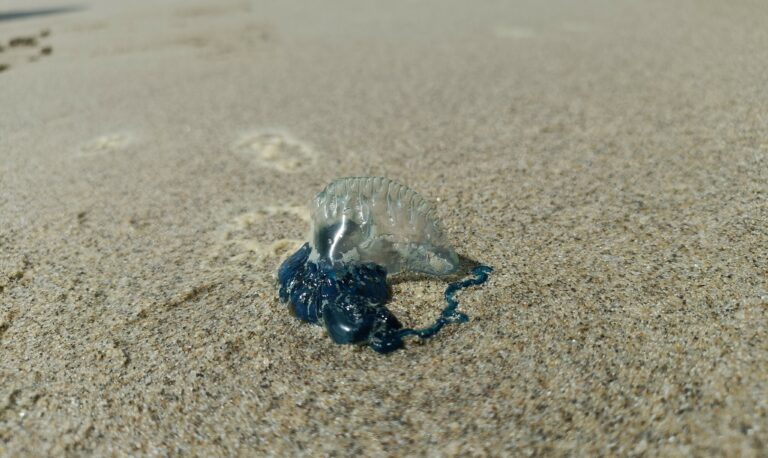
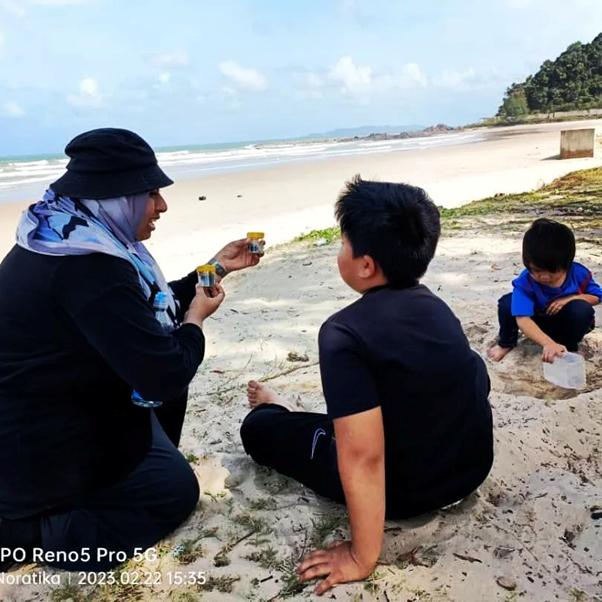
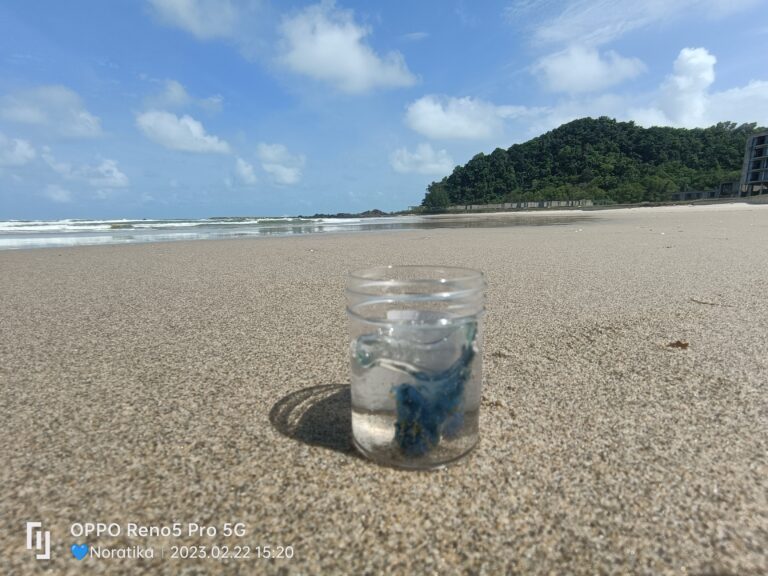
The South China Sea Research Repository team of INOS, UMT (RRC) has taken the proactive initiative of informing the local public about the dangers of Portuguese Man’O War (PMOW) jellyfish. These jellyfish, known locally as Ubur-Ubur Api, were discovered abandoned in Pantai Pandak, Cendering. RRC has taken a proactive step in educating the local population about the dangers of Portuguese Man’O War (PMOW) jellyfish.

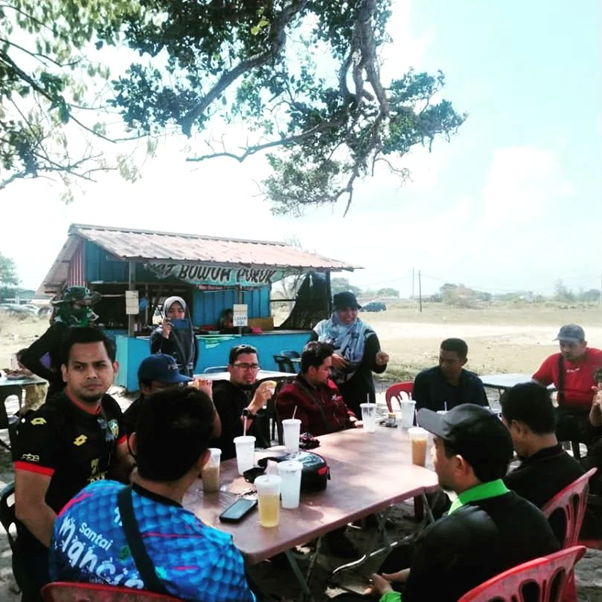
Recognizing the possible damage that PMOW jellyfish pose to human health, the RRC team took the initiative to raise awareness among the local people. They have been successful in informing people about the potential risks of these jellyfish during several campaign.

It should be noted that the sting of a PMOW jellyfish can result in extreme pain, redness, and swelling to human. It can also trigger anaphylactic shock, which can be fatal in some situations. As a result, it is critical to avoid all contact with PMOW jellyfish.

We advise everyone to immediately report any sightings of PMOW jellyfish to the appropriate authorities. By doing so, we can ensure that the required precautions are taken to protect the people and marine life.

The RRC team’s efforts to raise awareness about PMOW jellyfish are an outstanding example of how collaboration between scientist and local public can be beneficial in raising environmental awareness as well as conserving marine ecosystems. We admire their efforts and hope that more people will join them in helping to protect our environment.

Abstract

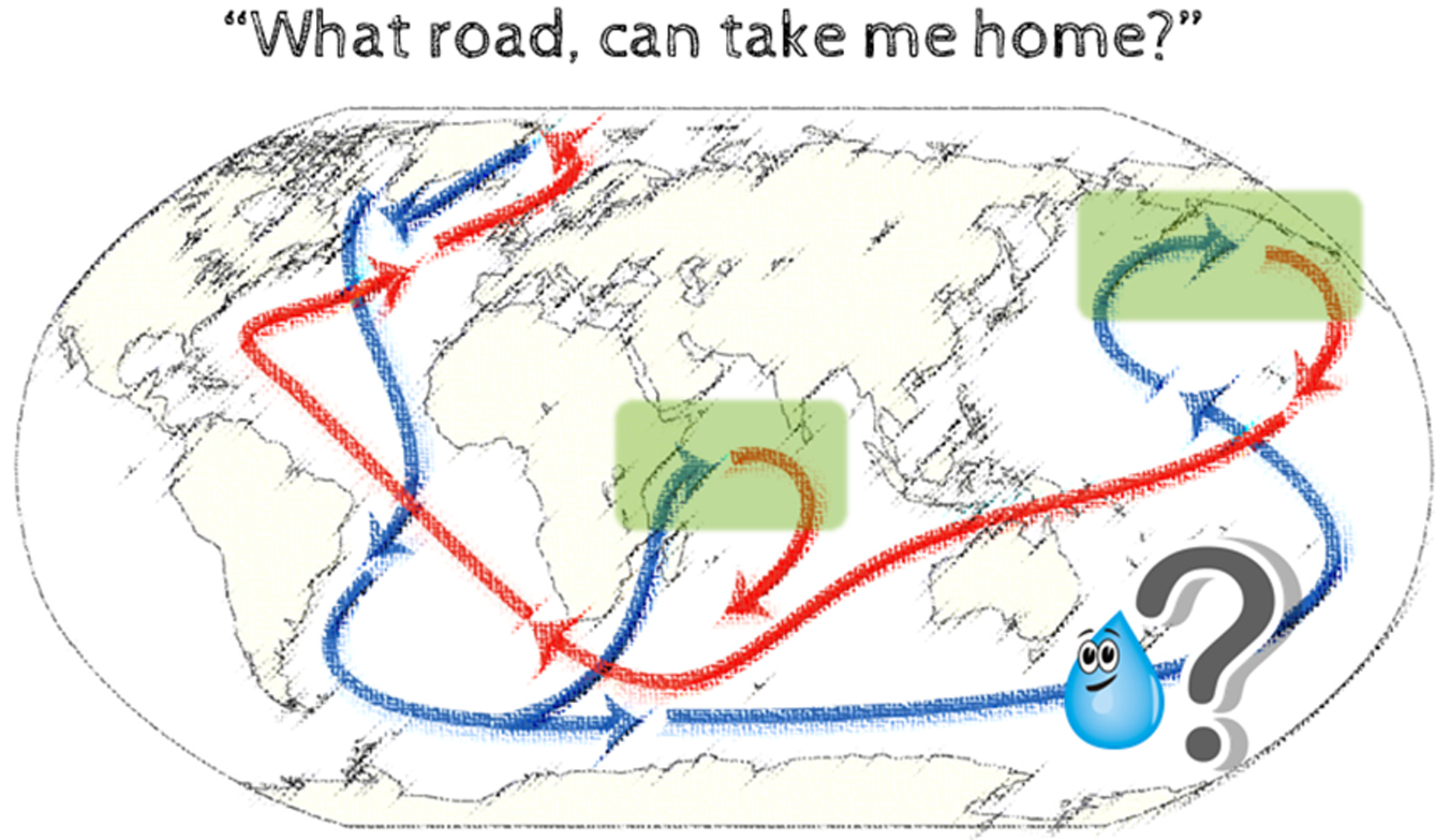
While the sinking formation of Antarctic Bottom Water (AABW) is well understood, how this bottom water "returns home" through upwelling within ocean basins, particularly the Indo-Pacific, remains shrouded in uncertainty. In the 1960s, Munk’s classic "Abyssal Recipes" theory sought to explain these abyssal flows, yet later observations exposed two significant conflicts with real-world data. In 2016, Ferrari, McDougall, and colleagues proposed the "Towards a New Abyssal Recipe" framework, introducing bottom boundary layer (BBL) upwelling to address Munk’s inconsistencies. Drawing on recent evidence of a potential cooling trend in the deep ocean, this talk revisits these debates, offering a fresh interpretation of Munk’s discrepancies and proposing a new mechanism for abyssal upwelling in the Indo-Pacific. It contributes to the ongoing quest to unravel how bottom waters complete their global journey.
Presented by: Prof. Dr. HAN Lei
Affiliation: China-ASEAN College of Marine Science, Xiamen University, Malaysia
Address: Sepang, Selangor, Malaysia



This will close in 0 seconds