Coastal & Ocean Dynamics (COD)
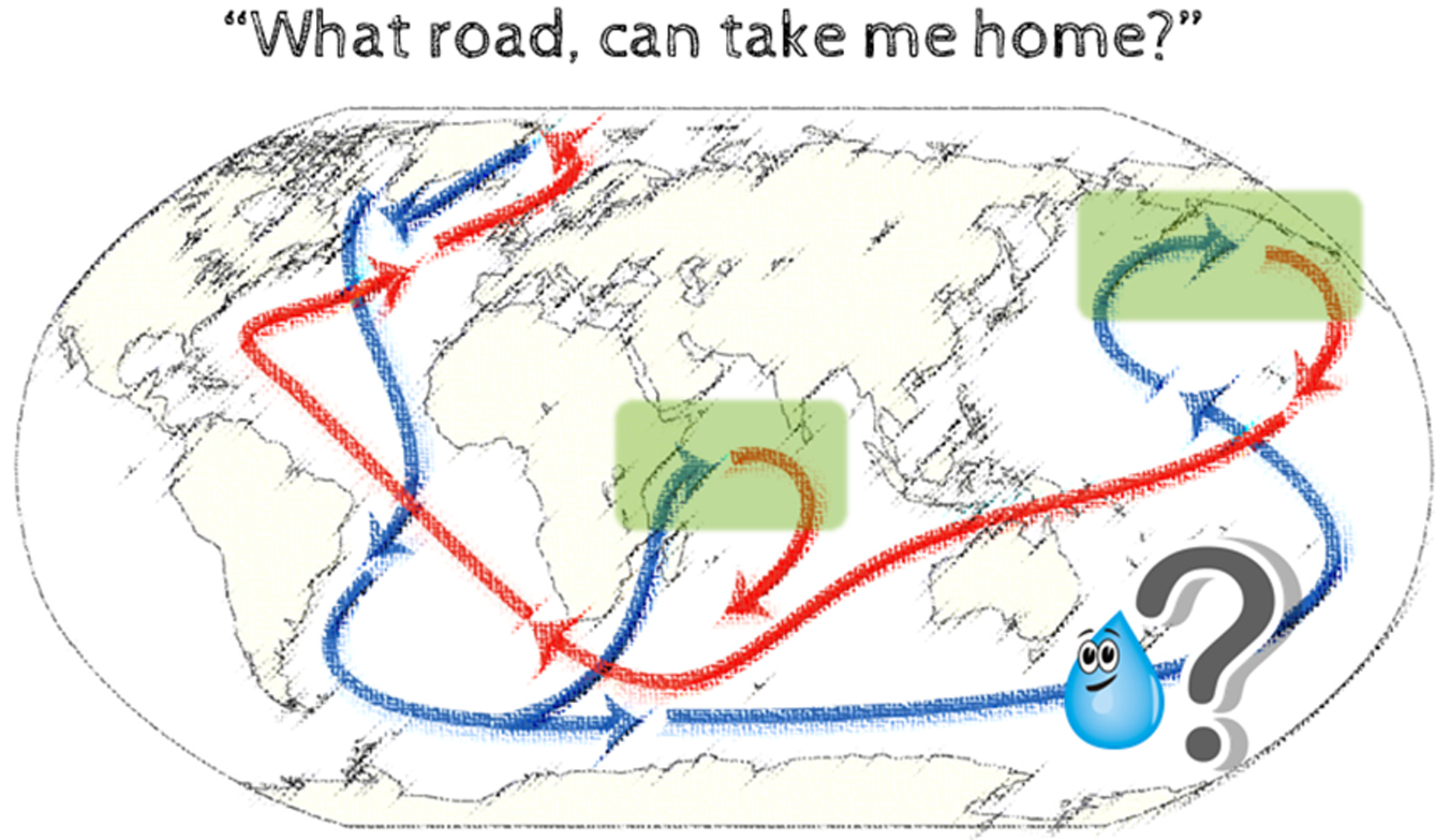
The group aims to understand the role of ocean processes and dynamics with a focus within Malaysia seas and surrounding waters. The research includes the studying of current circulation, air-sea interaction, water mass characteristics, waves, and coastal processes.
The team mainly focuses on the following research;
- The dynamic of upwelling system within the southern South China Sea
- Influence of climate variability (i.e. monsoon and ENSO) on ocean processes and current circulation
- Study of coastal erosion and morphodynamics
We conduct numerous data observation using our RV Discovery ship and buoy/mooring deployment for long term datasets. The group also involve in numerical modelling and satellite data analysis. These data do not only serve for our own research but also being use widely by different research groups in Malaysia.
One of the highlights for the group is the development of the Ocean Forecast System (OFS), the first of its kind in Malaysia. This serve as the main reference tools for numerous application that need forecast or backtracking information of the Malaysia seas which includes the information of current vector, waves height and temperature.
Group Objectives
- To make a major contribution to the understanding of Malaysia waters coastal and ocean dynamics.
- To become the main reference centre with regards to oceanography dynamics related data, information, forecast and knowledge.
Core Members
Prof. Dr. Mohd Fadzil bin Mohd Akhir
Dr. Nur Hidayah binti Roseli
Dr. Effi Helmi bin Arrifin
Dr. Chung Jing Xiang
Dr. Zuraini binti Zainol
Gs. Dr. Muhammad Hafeez bin Jeofry
Dr. Rabitah binti Daud (UiTM)