Center for Ocean Governance (COG)
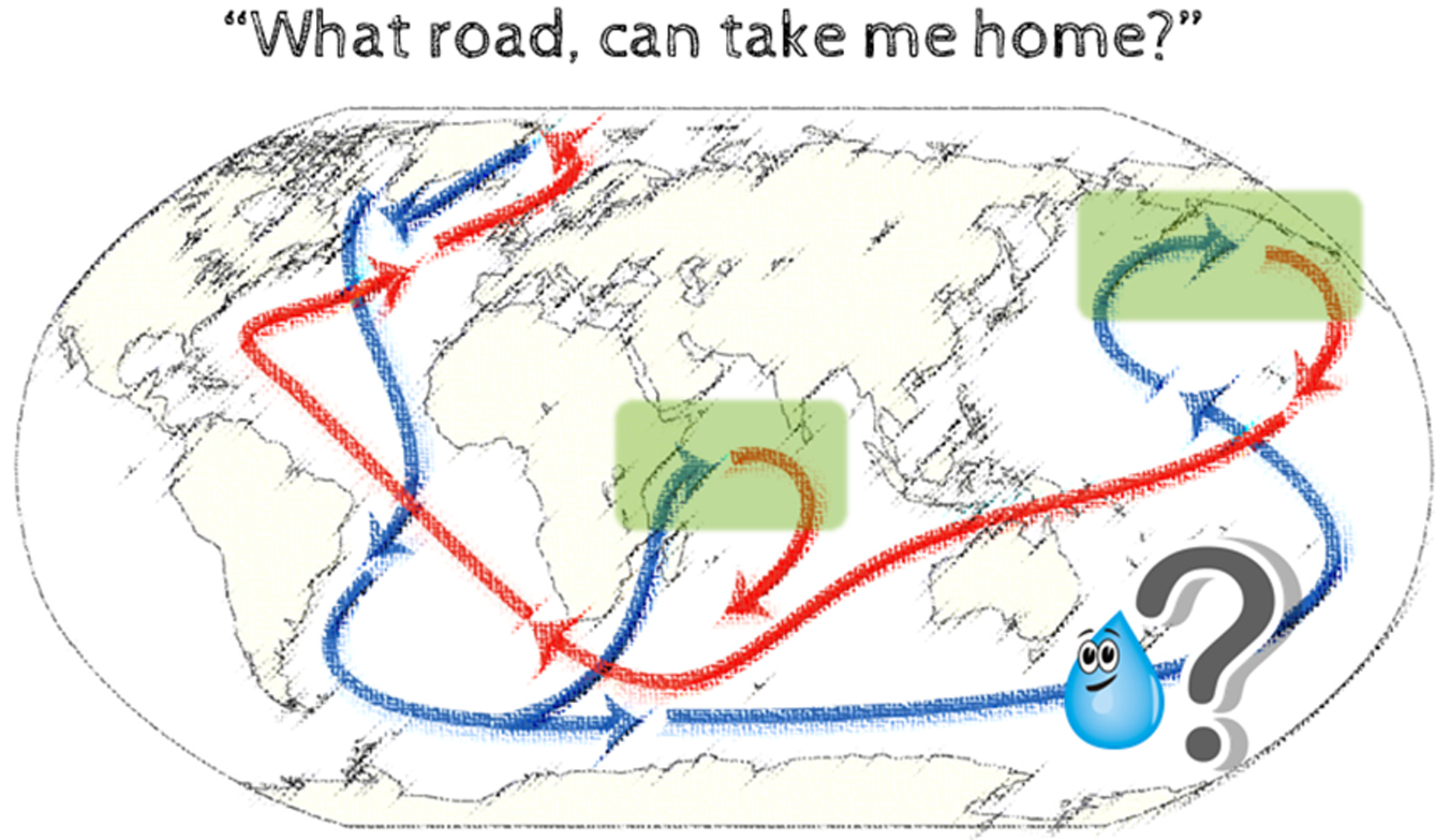
Our oceans cover 72 % of the earth. For centuries, our oceans have created and defined world civilizations. Our oceans as the interconnected natural highways have been providing vital sources for life, energy and food to humankind for centuries. The roles of oceans in shaping civilisation and human behaviours continue. In today’s development, the Blue Economy plays vital roles in advancing know-how and growth of various industries such as shipping, fisheries, mining, trade, energy and tourism. Nonetheless, the increased of growth population, socioeconomic activities and international political rivalry at the sea have brought irreversible damage to oceans. Since the 20th century, the escalation of unsustainable development in the coastal areas, resource extraction, overfishing, ocean acidification, marine biodiversity loss, increased pollution, habitat depletion and climate change have worsen the situation. Hence, the United Nations has announced the Decade of Ocean Science for Sustainable Development (2021-2030) as a collective action of stakeholders to restore the ocean health through a common framework globally. The essence of this common framework is a sustainable approach in development by supporting countries improving their ocean conditions through ocean science.
To face these challenges, an innovative & integrated approach is required through Ocean Governance to bring about the Science-Policy Interface. Center for Ocean Governance (COG) was formally launched as a sub-set to INOS on 1 October 2020, sprouting from the Ocean Governance Research Programme established as a HICoE programme in 2013. With the main aim to develop excellence in transdisciplinary research and networking through Science-Policy Nexus for innovative and integrated Ocean Governance, COG’s common goal is to investigate, produce and share knowledge to create better understanding, and adoption of, sustainable ocean management. COG strives to reach the goal through three strategic objectives through:
- Developing and strengthening partnerships with government agencies & NGOs in promoting towards integrated Ocean Governance.
- Promoting ecosystem-based approach in marine resource management through sustainable ocean economy (Blue Economy).
- Building capacity via Research & Training, Education & Awareness, and Knowledge Transfer on the sustainable use of the ocean and its resources.
Main Focus
COG conducts interdisciplinary research through Science-Policy Interface at national, regional and international level. With increasing environmental issues, oceans are currently under threat and at risk of irreversible damage through unsustainable development in coastal areas, overfishing, marine biodiversity loss, pollution as well as the impacts of climate change. With its cross-cutting researchers from a multidisciplinary team, COG main focus are:
- Marine Spatial Planning
- Natural Resources Law and Valuations
- Sustainable Coastal and Island Community Livelihood
- Sustainable Fishery Resources Management
- Sustainable Island and Coastal Tourism
- Sustainable Shipping and Seaport
- Maritime Geo-Politics
- Ocean Literacy
Team Members
MANAGEMENT
- Prof. Dr. Wan Izatul Asma Wan Talaat – Center Head
- Assoc. Prof. Dr. Fatin Izzati Minhat- Coordinator
- Norazwanie binti Nasharuddin – Executive Officer III
ASSOCIATES
Natural Science & Technology
- Prof. Dato’ Dr. Nor Aieni Mokhtar
- Prof. Dr. Mazlan Abd Ghaffar
- Assoc. Prof. Ts. Dr. Mohd Rosni Othman
- Dr. Nurul Haqimin Salleh
- Dr. Fatin Izzati Minhat
- Dr. Uzair Rusli
- Dr. Khaira Ismail
- Dr. Effi Helmy Ariffin
- Gs. Dr. Muhammad Hafeez Jeoffrey
- Dr. Rumeaida Mat Piah
- Dr. Jagan Jeevan
- Dr. Izyan Munirah Mohd Zaideen
Social Science & Humanities
- Prof. Dr. Nur Azura Sanusi
- Assoc. Prof. Dr Hayatul Safrah Salleh
- Assoc. Prof. Dr. Nik Hazimah Nik Mat
- Assoc. Prof. Dr Mahirah Kamaluddin
- Dr. Farahdilah Ghazali
- Dr. Farizah Sulong
- Dr. Zikri Muhamad
- Dr. Azza Jauhar Ahmad Tajuddin
- Dr. Zaliha Zainuddin
- Dr. Zaleha Mohamad
External Resource Persons
- Tan Sri Professor Dr. Zakri Abdul Hamid – ATRI Advisory
- Dr. Adina Kamaruddin – Ministry of Foreign Affairs
- Associate Professor Dr. Luky Andriatio – IPB University
- Dr Mazlan Madon – Commission on the Limits of the Continental Shelf
- Dr Nor Mazlina Abu Bakar – UnisZA
- Abdullah Sulaiman – Minerals and Geoscience Department Malaysia
- Jasmin Saad – OceanResearch
- Cheryl Rita Kaur – Maritime Institute of Malaysia
- Jalila Abdul Jalil – Maritime Institute of Malaysia