Penyampelan bagi Analisis Kawalan Kualiti untuk pengujian Total Solids, Total Suspended Solids dan Total Dissolved Solids | 15 April 2019
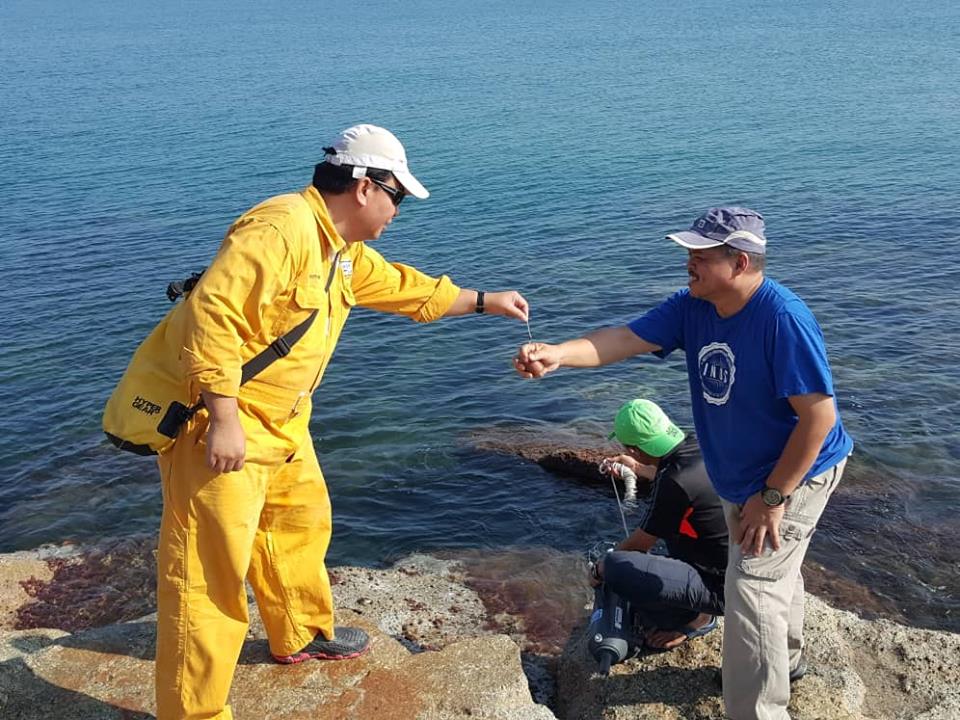
Enviromental monitoring of seawater at artificial reef deployment area, South China Sea | 17 April 2019
OTGA Training Course: Discovery and Use of Operational Ocean Data Products and Services
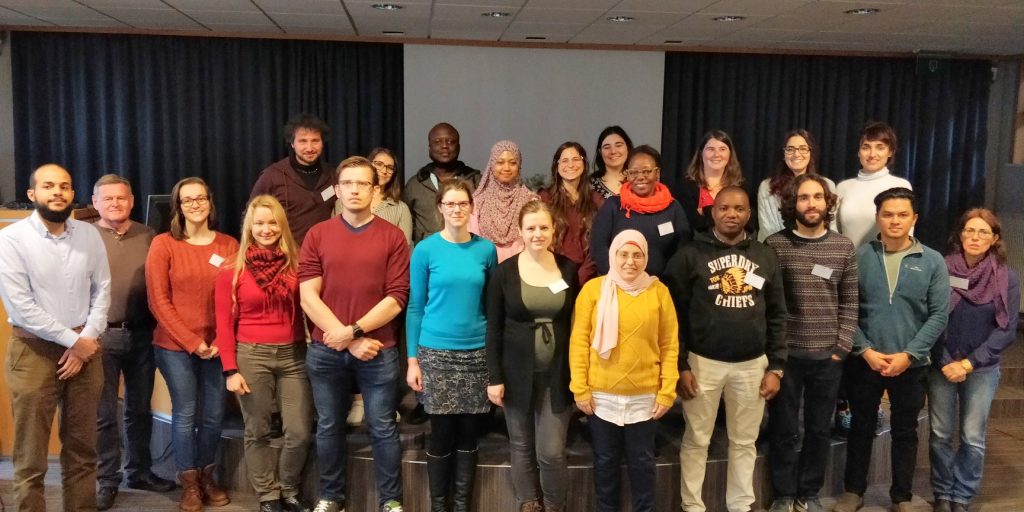
OTGA Training Course: Discovery and Use of Operational Ocean Data Products and Services. Oostende, Belgium | 11-15 March 2019 Participation: Shukri Arsad and Nurzuhrah Hassan This course will provide knowledge and hands-on experience for the data, satellites and instrumentation, access and formats, tools and software for operational activities. A pre-course phase of the training […]
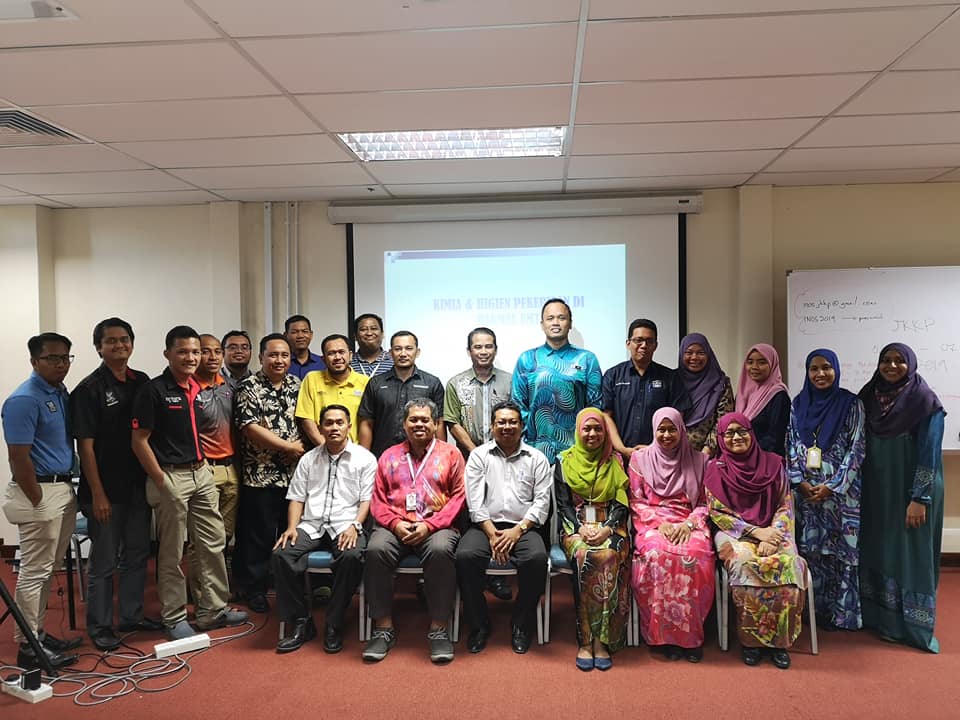
Bengkel Jawatankuasa Keselamatan & Kesihatan Pekerja (JKKP) INOS | 6 Mac 2019
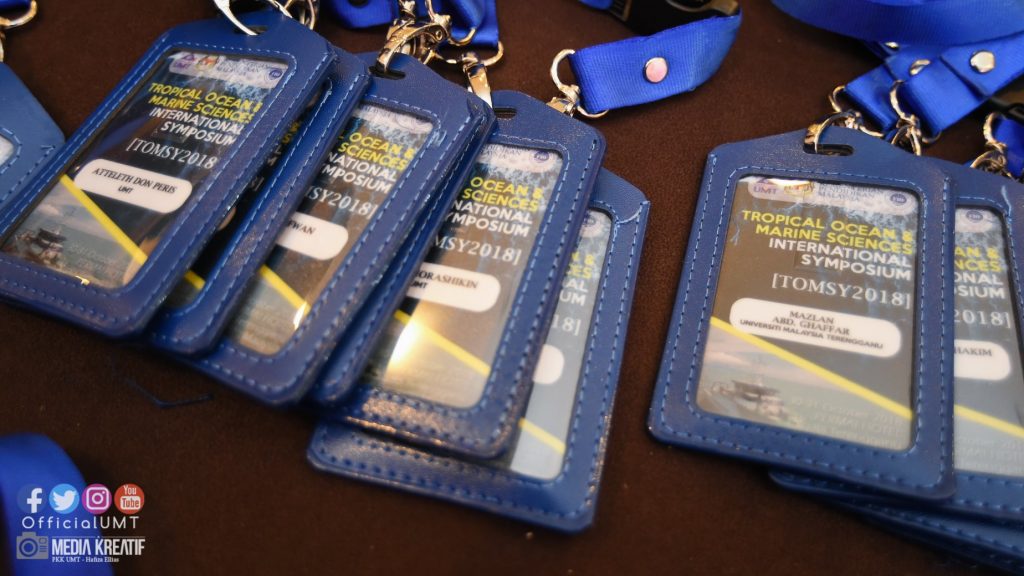
Tropical Ocean and Marine Sciences International Symposium (TOMSY2018) | 30-31 October 2018
https://www.facebook.com/TvUMTofficial/videos/1115163785308247/
OTGA Training Course: Marine GIS Applications for Coastal Zone Management | 20-24 January 2019
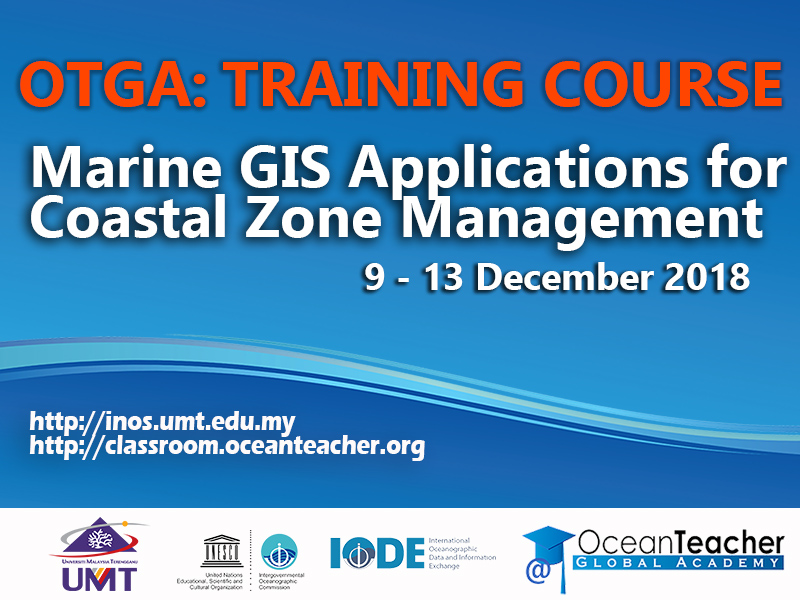
Overview This course will focus on integrated coastal zone management, in the sense that it needs to take on board the ecological, environmental, social and economic aspects of managing a coastal area or zone. The course provides an overview and hands approach on GIS applications necessary towards integrated coastal zone management including the data acquisition, processing, analysis and […]
OTGA Training Course: Foundations of Coastal and Marine Spatial Planning | 18-22 November 2018
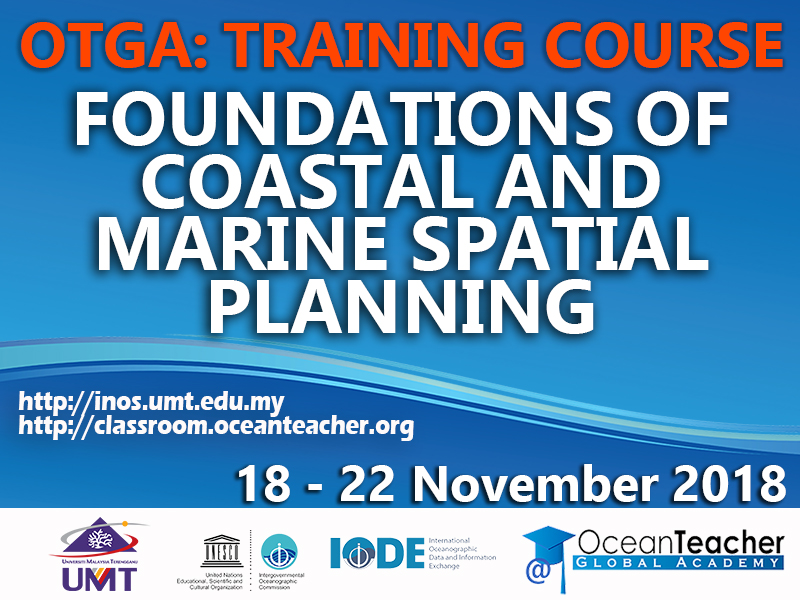
Overview Increased activity in the coastal and marine environment has led to two important types of conflicts in the region: (1) conflicts among human uses (user-user conflicts); and (2) conflicts between human uses and the coastal and marine environment (user-environment conflicts). These conflicts weaken the ability of the ocean to provide the necessary ecosystem services […]
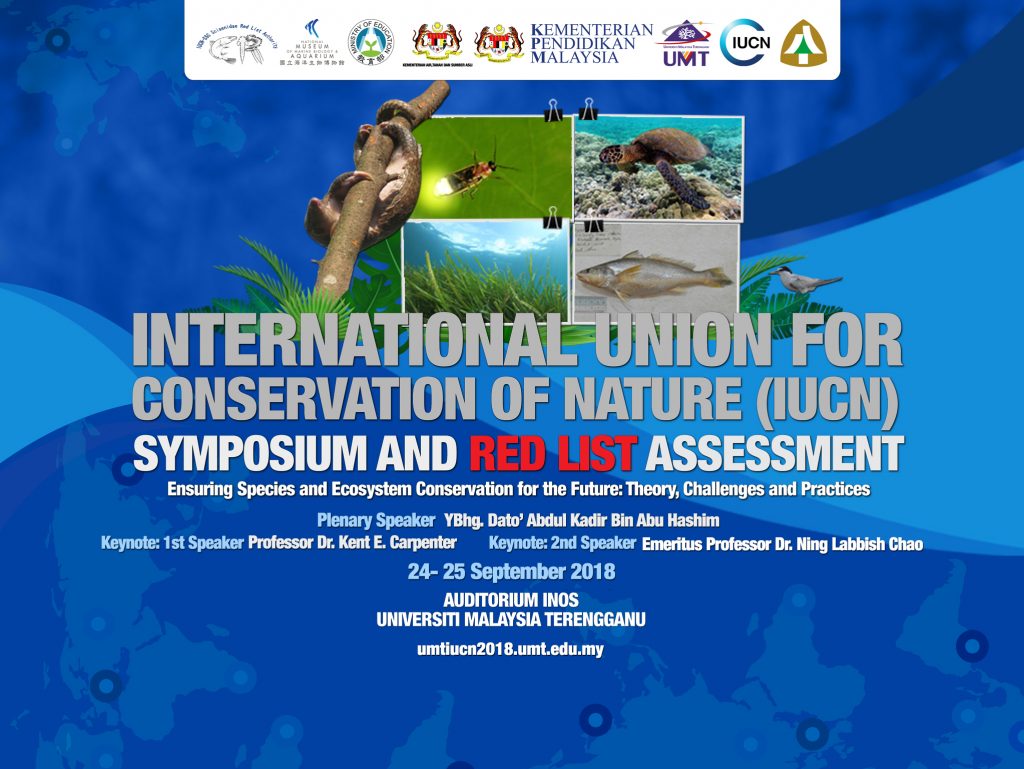
International Union for Conservation of Nature (IUCN) Symposium and Red List Assessment
Bengkel Terumbu Karang – Coral Reef Mapping & Reproduction
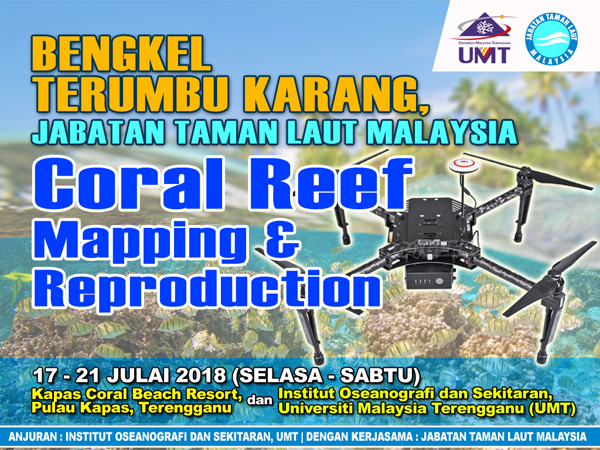
Coral Reef Workshop: Fringing Reef Mapping Using Unmanned Aerial Vehicle (UAV) – Drone Organize by Institute of Oceanography and Environment (INOS), Universiti Malaysia Terengganu In Collaboration with Department of Marine Park Malaysia (DMPM) Date: 17 – 19 July 2018 Monday 16 July 2018 – Arrival & Check-in Time Activity Facilitator 2.30pm […]
OTGA Training Course: Digital repositories: the pathway from open access to digital asset management | 23 – 27 September 2018
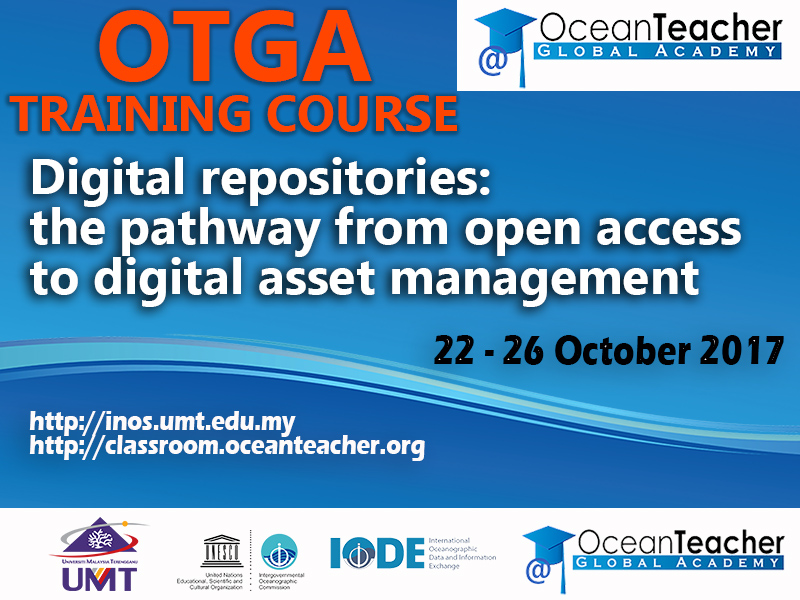
From the year 2000, digital repositories have developed as the main support for the Open Access Movement. Over the years digital repositories (e-repositories) have matured into a tool not only for open access to research literature, but also the tool to manage and make accessible an institution’s multimedia digital assets whilst at the same time […]