
Biodiversity & Biological Oceanography Laboratory (OBB)

The Biodiversity & Biological Oceanography Laboratory (OBB) is one of the laboratory units that provides facilities to accommodate research conducted. This research laboratory is equipped with modern equipment such as HPLC, Rosette Water Sampler, PAM-Diving Pump Fluorometer, Microplate Reader and several other tools that assist in biological and biodiversity studies. This laboratory serves to provide and ensure the best facilities to researchers and postgraduate students in carrying out activities related to ocean exploration especially in the field of biology and biodiversity.


Our Main Objectives:

  • Provide conducive space and complete infrastructure for biological oceanographic and biodiversity research
  • Become a platform for supervisors and postgraduate students to conduct research
  • To ensure that the scientific and biodiversity aspects are consistent with the rapid knowledge of ocean studies.
  • Assist research groups in INOS and UMT in carrying out sampling activities at the study site and analyzing samples in the laboratory


Laboratory:

  1. Biodiversity & Biological Unit

    Biological Oceanography Lab 1 – Molecular & Genomics

    Biological Oceanography Lab 2 – Tissue Culture

    Biological Oceanography Lab 3 – Proteomic @ Protein Analysis

    General Laboratory – HPLC & Natural Product

    Biodiversity Lab 1 and 2 : -Identification and analysis of biological samples such as coral, plankton, benthos, fish, crabs -Identification and analysis of geological samples such as foraminifera, soil, water

  2. Scuba Unit 


Equiments:

  1. Spectrophotometer
  2. PCR Machine (Thermocycler)
  3. Bench Top Centrifuge
  4. Biomedical Freezer -20C
  5. Vortex Mixer
  6. CO2 Incubator
  7. pH meter
  8. Gel Documentation System
  9. Heating & Cooling Block
  10. Membrane Filtration System and Vacuum Pump
  11. Electrophoresis set
  12. High Performance Liquid Chromatography (HPLC)
  13. Autoclave
  14. Shaking Incubator
  15. Image Master 2D Platinum
  16. Freeze Dryer
  17. Rotary Evaporator
  18. Microscope
  19. Laminar Flow
  20. Scanning Electron Microscope (SEM)- JEOL 6360 LA
  21. X-Ray microanalysis (EDS)
  22. Electron Microscope Freeze Drier
  23. Gold Sputter Coater
  24. Vacuum Evaporator
  25. Critical Point Dryer (CPD)-Baltec 020
  26. Vacuum Oven
  27. Electronic Desiccators
  28. Centrifuge Mini Spin
  29. Orbital Shaker
  30. Hot Plate
  31. Membrane Filtration System And Vacuum Pump
  32. Oven
  33. Portable pH meter
  34. Light Microscope

Subarjo bin Merehojono

Head of Laboratory Management & Laboratory Manager
Senior Science Officer
Email: jojo@umt.edu.my
Tel: +609-6683266
Fax: +6096692166

Nurhayati binti Mat Semawi

Assistant Science Officer
Email: nurhayati@umt.edu.my
Tel: +609-6683416
Fax: +6096692166

Norita binti Abd Shukor

Senior Assistant Science Officer
norita@umt.edu.my
Tel: +6096683107
Fax: +096692166

Abstract

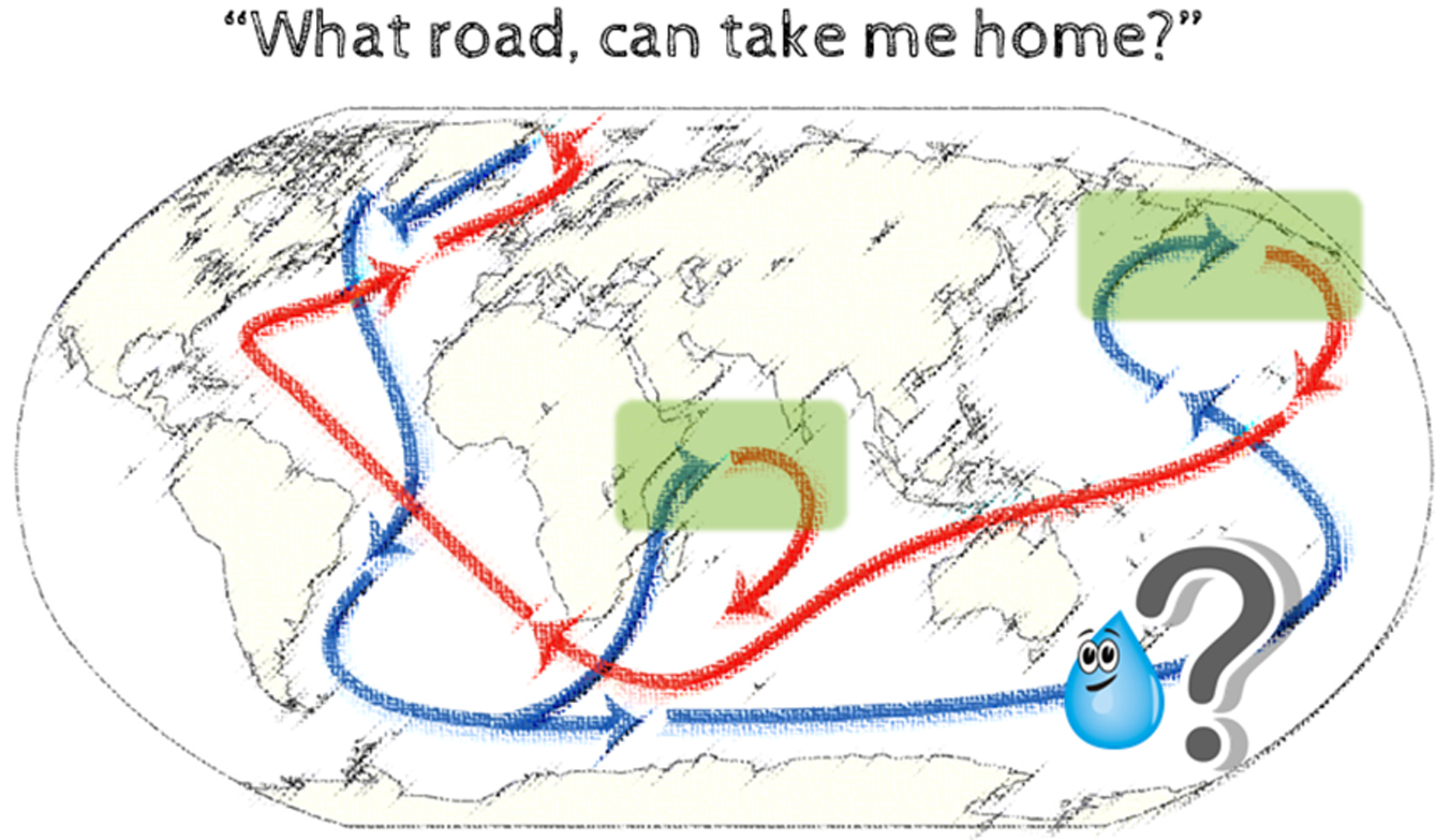
While the sinking formation of Antarctic Bottom Water (AABW) is well understood, how this bottom water "returns home" through upwelling within ocean basins, particularly the Indo-Pacific, remains shrouded in uncertainty. In the 1960s, Munk’s classic "Abyssal Recipes" theory sought to explain these abyssal flows, yet later observations exposed two significant conflicts with real-world data. In 2016, Ferrari, McDougall, and colleagues proposed the "Towards a New Abyssal Recipe" framework, introducing bottom boundary layer (BBL) upwelling to address Munk’s inconsistencies. Drawing on recent evidence of a potential cooling trend in the deep ocean, this talk revisits these debates, offering a fresh interpretation of Munk’s discrepancies and proposing a new mechanism for abyssal upwelling in the Indo-Pacific. It contributes to the ongoing quest to unravel how bottom waters complete their global journey.
Presented by: Prof. Dr. HAN Lei
Affiliation: China-ASEAN College of Marine Science, Xiamen University, Malaysia
Address: Sepang, Selangor, Malaysia



This will close in 0 seconds