Angkatan Pertahanan Awam Malaysia menemui 30 ekor obor-obor berbisa iaitu Portuguese man of war di Pantai Pulau Kekabu, Marang

Angkatan Pertahanan Awam Malaysia menemui 30 ekor obor-obor berbisa iaitu Portuguese man of war di Pantai Pulau Kekabu, Marang pagi ini (21 Februari 2020). Pihaknya telah menghantar spesimen ini ke Pusat Rujukan dan Repositori Laut China Selatan untuk penyimpanan dan penyelidikan selanjutnya. Hanya 4 ekor berjaya diselamatkan untuk dijadikan spesimen kerana yang lain telah rosak dan hancur. Pelbagai saiz telah direkodkan pada kali ini dengan rekod terbaru paling besar 7cm lebar, kebiasaannya 2-3cm sahaja. Ribuan terima kasih diucapkan kepada En. Abdullah Bin Sabaruddin, wakil APM kerana telah menghantar spesimen ini.


Abstract

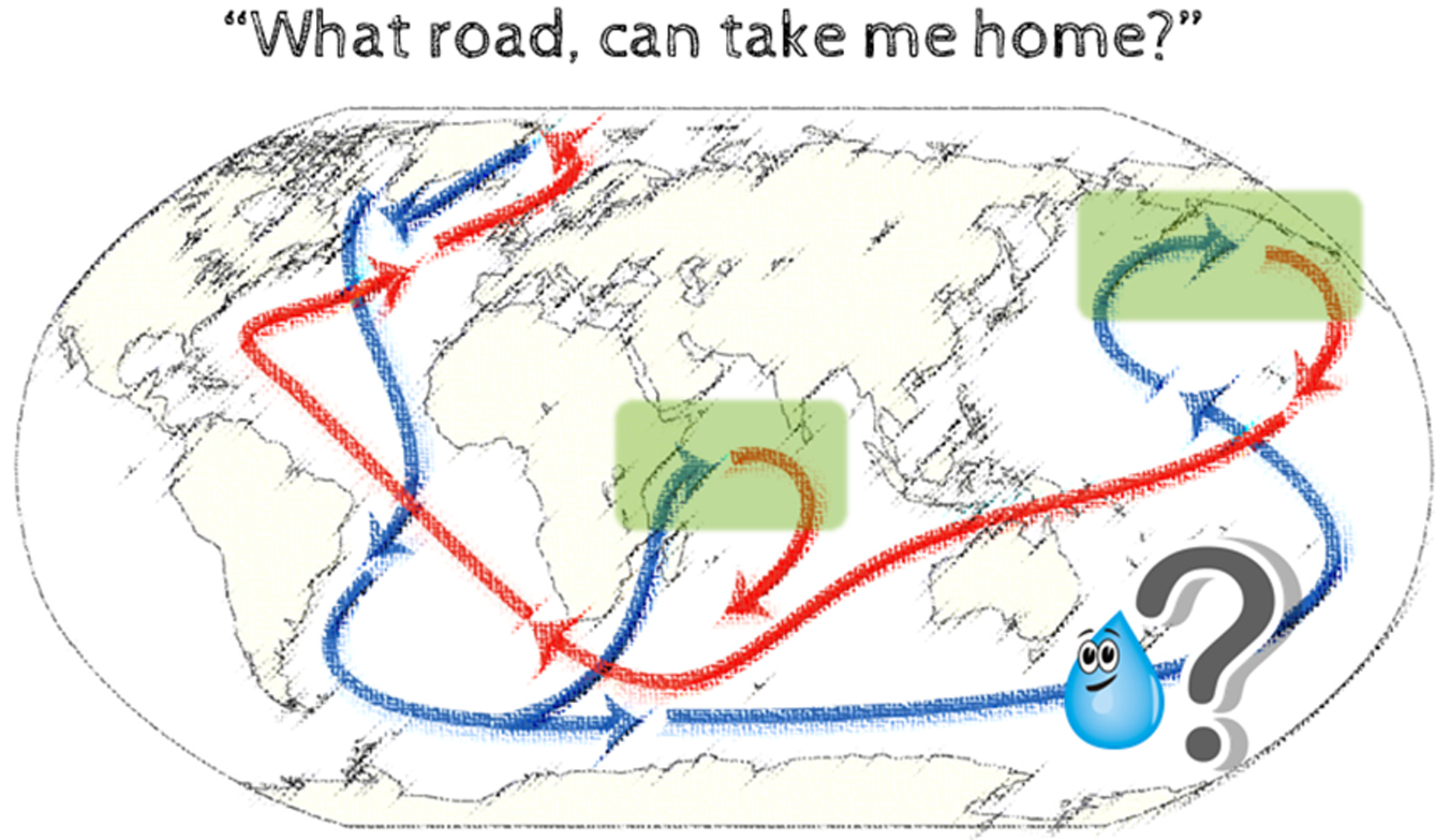
While the sinking formation of Antarctic Bottom Water (AABW) is well understood, how this bottom water "returns home" through upwelling within ocean basins, particularly the Indo-Pacific, remains shrouded in uncertainty. In the 1960s, Munk’s classic "Abyssal Recipes" theory sought to explain these abyssal flows, yet later observations exposed two significant conflicts with real-world data. In 2016, Ferrari, McDougall, and colleagues proposed the "Towards a New Abyssal Recipe" framework, introducing bottom boundary layer (BBL) upwelling to address Munk’s inconsistencies. Drawing on recent evidence of a potential cooling trend in the deep ocean, this talk revisits these debates, offering a fresh interpretation of Munk’s discrepancies and proposing a new mechanism for abyssal upwelling in the Indo-Pacific. It contributes to the ongoing quest to unravel how bottom waters complete their global journey.

Presented by: Prof. Dr. HAN Lei
Affiliation: China-ASEAN College of Marine Science, Xiamen University, Malaysia
Address: Sepang, Selangor, Malaysia


This will close in 0 seconds