
FAQ

When was INOS established?
INOS was established on March 27, 2001.

Where is INOS located?
INOS is located within the district of Kuala Terengganu. Its location within the UMT (Universiti Malaysia Terengganu) campus is highly strategic, situated on the coastal area of Tok Jembal, Kuala Terengganu, the Gong Badak Industrial Zone, and the Terengganu Darul Iman State Educational Center Zone. UMT is approximately 25 km from Kuala Terengganu city and 3 km from Sultan Mahmud Airport, Kuala Terengganu.

What are the mission and objectives of INOS?

    • To establish the field of marine research for national development.

    • To promote UMT as a National Oceanography Centre of Excellence.

    • To develop and expand Marine Science knowledge for research and teaching purposes.

    • To produce graduates in various fields of oceanography.

    • To foster strong relationships with other national agencies involved in marine science R&D.

What are INOS’s research focuses?
INOS’s research focuses are Physical & Satellite Oceanography, Chemical Oceanography, Ocean Governance, Coastal Resources, and (Coral, Sea Turtle and Marine Mammals).

What basic facilities does INOS provide?
The basic facilities provided by INOS include Seminar Rooms, the INOS Auditorium (which can accommodate 200 people at one time), oceanography laboratories, a Reading Room, and a Postgraduate Student Room.

What postgraduate courses are offered at INOS?

    1. Marine Biology
    2. Biosystematics
    3. Phycology
    4. Mangrove Study
    5. Oceanography/ Marine Science
    6. Marine Pollution
    7. Coastal Zone Management
    8. Aquatic Resources
    9. Aquatic Toxicology
    10. Remote Sensing & GIS
    11. Coastal Processes
    12. Coastal Resource Management
    13. Environmental Toxicology
    14. Fisheries Acoustic
    15. Mangrove Management & Ecology
    16. Marine Geochemistry
    17. Marine Geology

For more information, please refer to the Postgraduate Centre website.

What is the main medium of instruction used at UMT?
The mediums of instruction used are Bahasa Malaysia and English.

Who can I contact if I wish to deal with INOS?

Institut Oseanografi dan Sekitaran (INOS)
Universiti Malaysia Terengganu (UMT)
21030 Kuala Nerus
Terengganu, MALAYSIA
Tel : +609-6683195
Faks : +609-6692166

Abstract

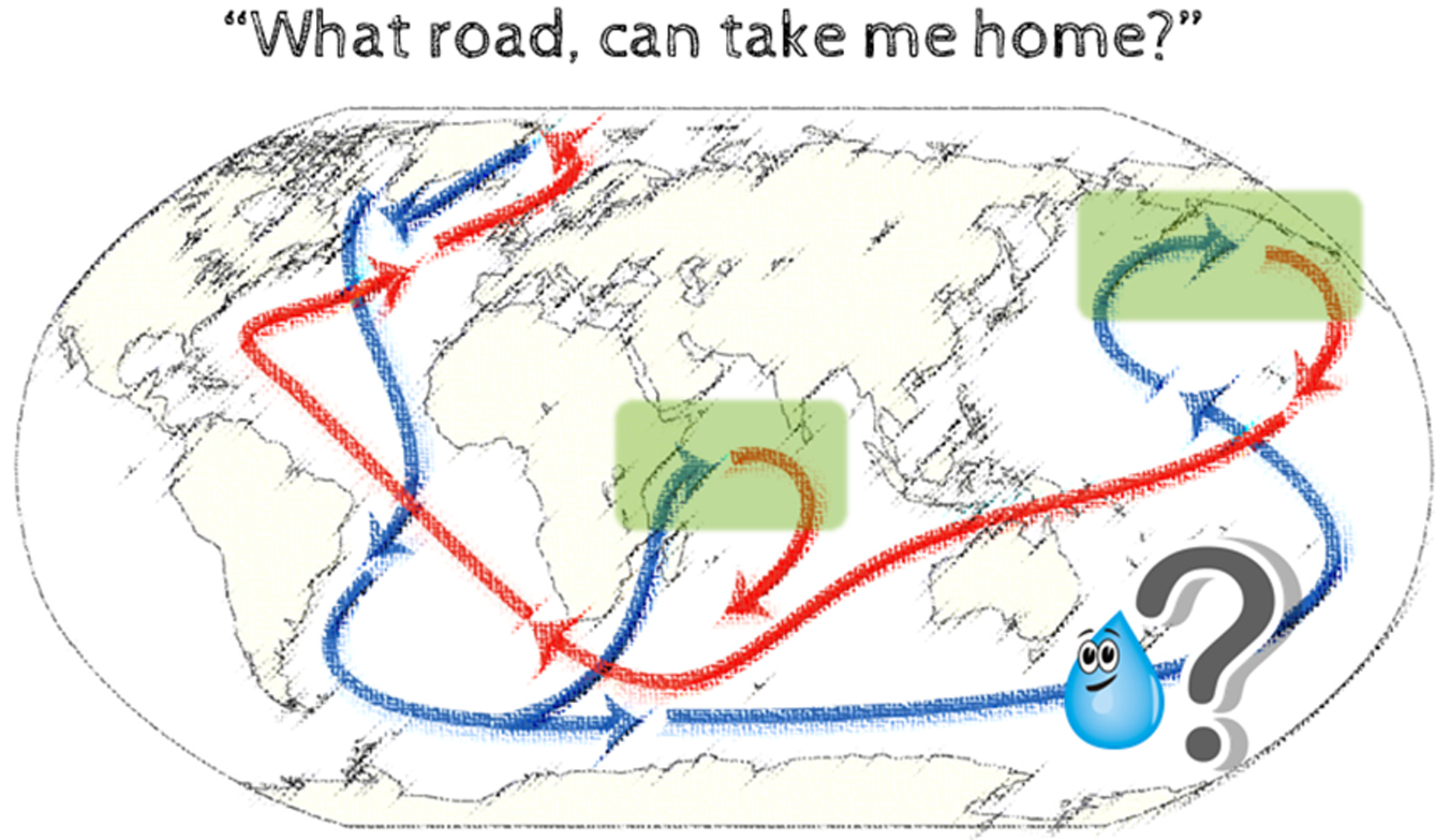
While the sinking formation of Antarctic Bottom Water (AABW) is well understood, how this bottom water "returns home" through upwelling within ocean basins, particularly the Indo-Pacific, remains shrouded in uncertainty. In the 1960s, Munk’s classic "Abyssal Recipes" theory sought to explain these abyssal flows, yet later observations exposed two significant conflicts with real-world data. In 2016, Ferrari, McDougall, and colleagues proposed the "Towards a New Abyssal Recipe" framework, introducing bottom boundary layer (BBL) upwelling to address Munk’s inconsistencies. Drawing on recent evidence of a potential cooling trend in the deep ocean, this talk revisits these debates, offering a fresh interpretation of Munk’s discrepancies and proposing a new mechanism for abyssal upwelling in the Indo-Pacific. It contributes to the ongoing quest to unravel how bottom waters complete their global journey.
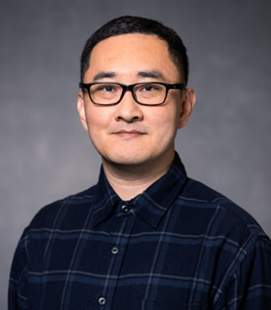
Presented by: Prof. Dr. HAN Lei
Affiliation: China-ASEAN College of Marine Science, Xiamen University, Malaysia
Address: Sepang, Selangor, Malaysia


This will close in 0 seconds