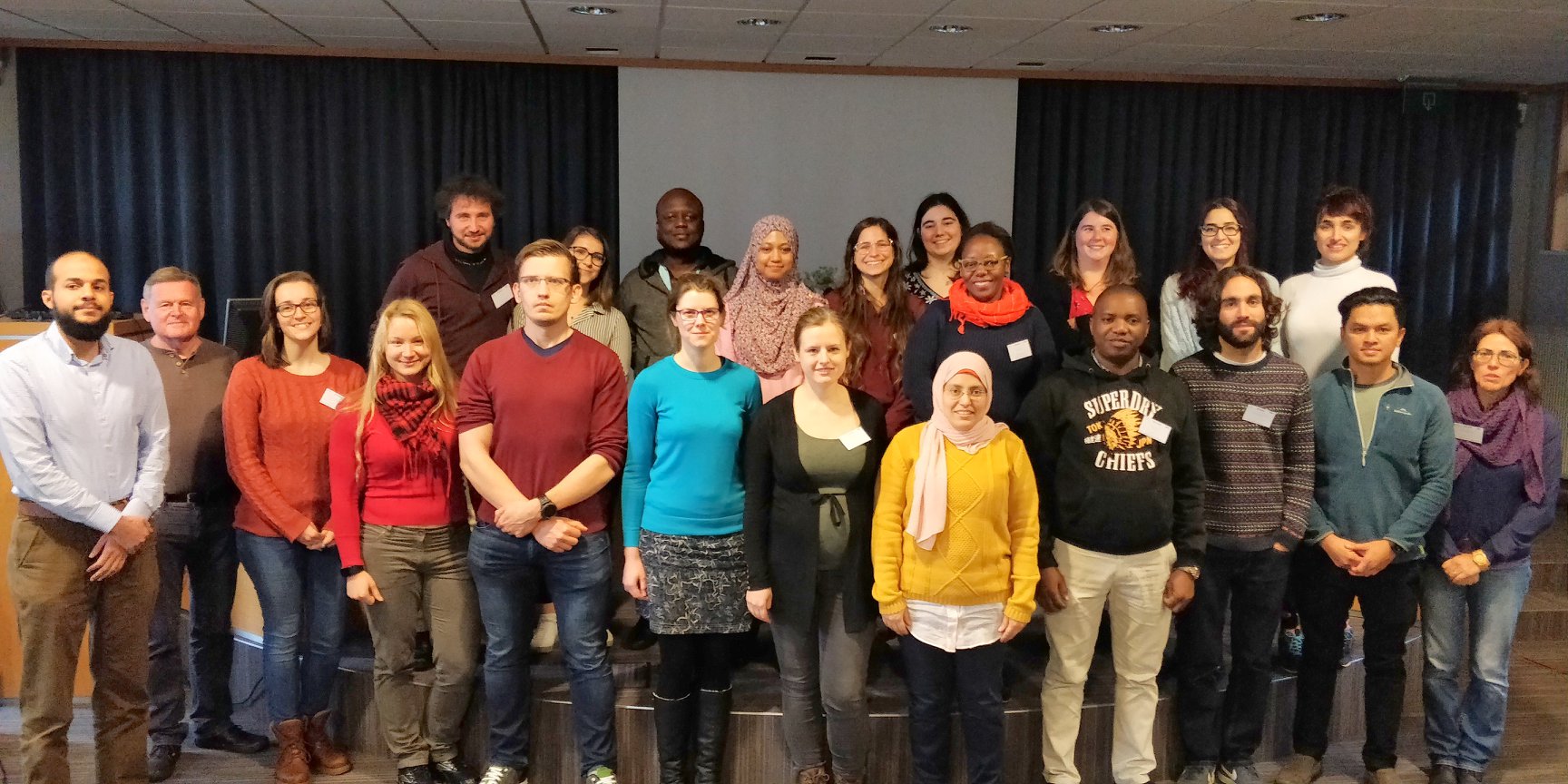
OTGA Training Course: Discovery and Use of Operational Ocean Data Products and Services.
Oostende, Belgium | 11-15 March 2019
Participation: Shukri Arsad and Nurzuhrah Hassan
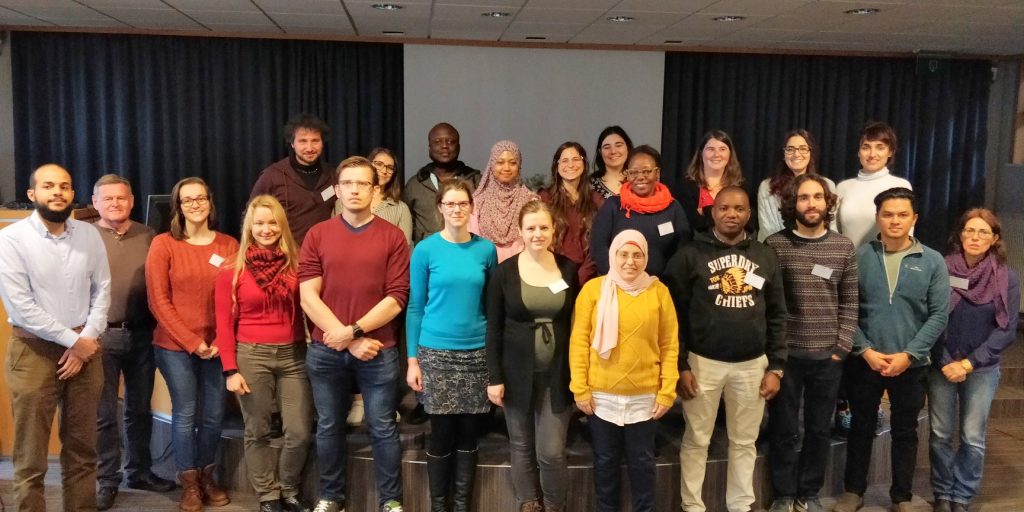
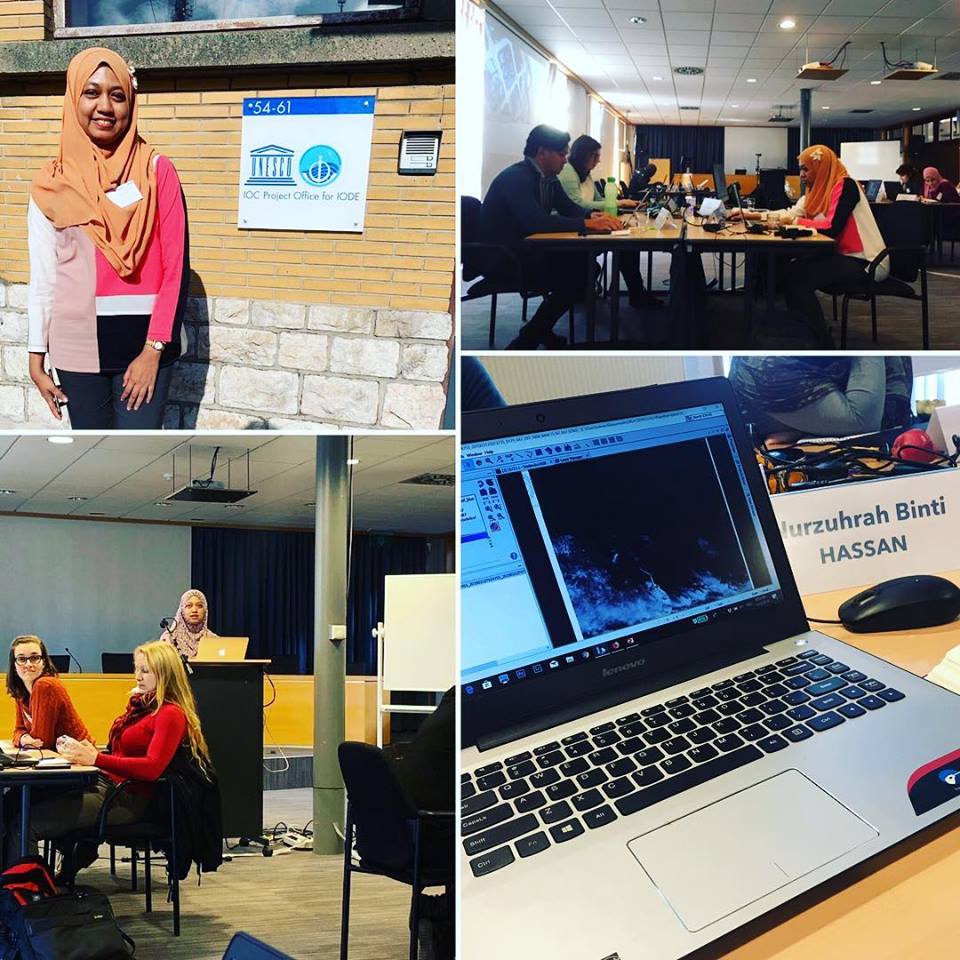
This course will provide knowledge and hands-on experience for the data, satellites and instrumentation, access and formats, tools and software for operational activities. A pre-course phase of the training will provide an essential overview of data, products and tools used to monitor the ocean and will focus on preparation for the classroom phase where students will work on a short project to learn more about the data and its applications.
Aims and Objectives
-Introduction to methods to access and download data and products used in operational oceanography
-Understanding of data and products to be used for specific applications
-Understanding of key types of satellite measurements used to monitor the ocean
Learning Outcomes
-Introduction to a wide range of data and products to improve marine analysis
-Overview of airborne and satellite data available for marine and coastal research
-Awareness of data processing and file formats
-Use of tools to access and visualize data scripting languages to work with marine satellite data
Target Audience
The target audience includes, but not limited to, the following:
-Researchers with an interest in working with satellite based and real time ocean observation data
-Ocean and coastal data managers
-PhD students and Post-Docs
Course Pre-requisites:
-General knowledge of oceanography
-Experience with computer programming languages will be an advantage
-Good working knowledge of English
-Candidates must successfully complete an online pre-course phase to be eligible to join the face-to-face classroom phase.
Note: Priority will be given to participants originating from Europe and North African countries. UNESCO is committed to promote gender equality. Applications from women are strongly encouraged.
The OceanTeacher Global Academy is a Project of IOC/IODE supported by the Flanders-UNESCO Trust Fund (FUST) of the Government of Flanders, Belgium.