ASEAN Archaeological Meet Up 2025:
Advancing Maritime Heritage Through the Bidong Shipwreck Excavation
By Hasrizal Shaari (FSSM – INOS)
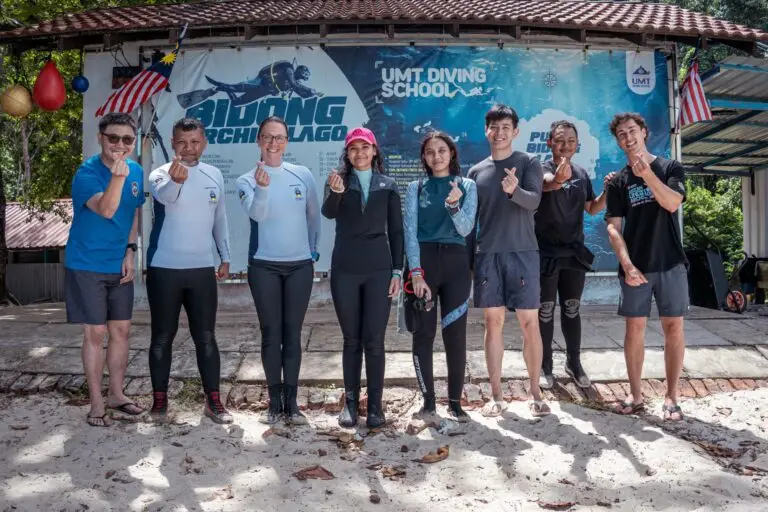
Pulau Bidong, renowned for its rich maritime history, once again became the centre of international attention with the successful organisation of the ASEAN Underwater Archaeological Meet Up 2025 and the Fifth Phase of the Bidong Shipwreck Excavation, held from 18 to 22 September 2025. The programme brought together underwater archaeologists, researchers, and heritage practitioners from across the ASEAN region, reinforcing Pulau Bidong’s growing reputation as a significant maritime archaeological research site.
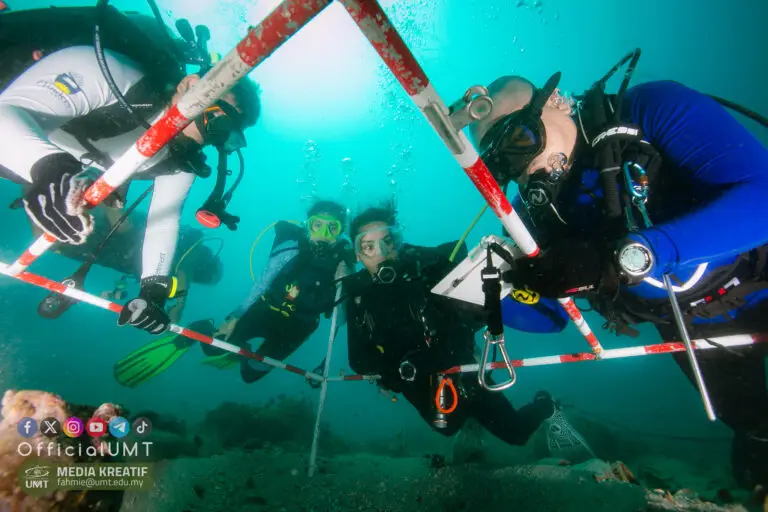
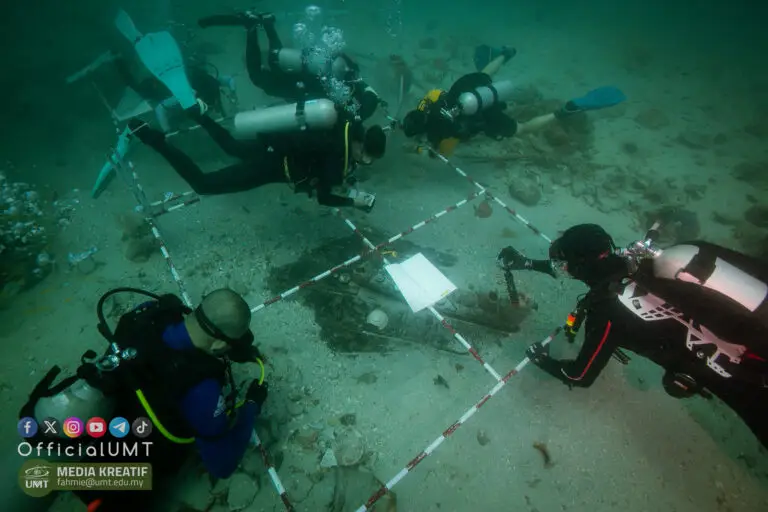
The primary objective of the fifth excavation phase was to investigate the structural remains of the Bidong Shipwreck and collect exposed timber samples for scientific analysis. These samples will help determine the vessel’s construction techniques, timber species, provenance, and state of preservation. In addition, the excavation focused on recovering unique artefacts that are vulnerable to deterioration, ensuring their preservation and documentation for future research.
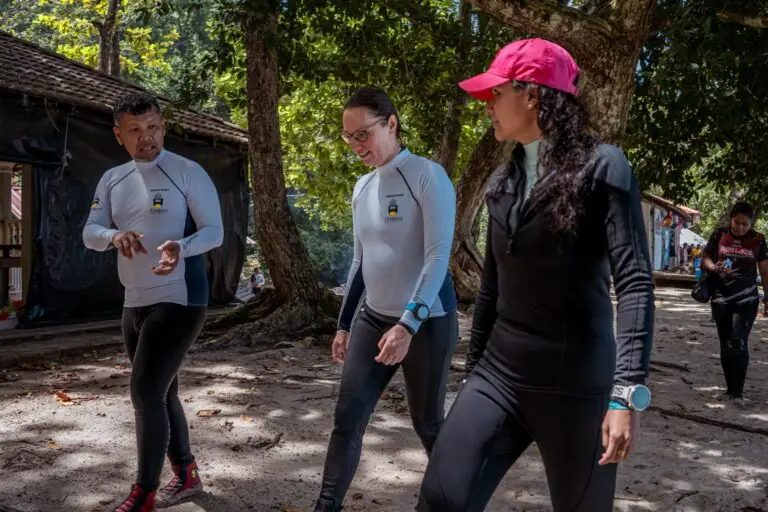
A major highlight of the programme was the participation of Yang Amat Mulia Tengku Puteri Utama Raja, daughter of His Royal Highness the Sultan of Terengganu, in her role as Conservation Ambassador of Universiti Malaysia Terengganu (UMT). Known for her passion for scuba diving and underwater photography, Tengku Puteri Utama Raja actively participated in the excavation activities rather than merely observing them.
Her involvement attracted considerable attention among participants and researchers. She joined the archaeological team during the underwater excavation and observed the excavation and recording of significant wooden ship components, including floor timbers, keel elements, and wooden pegs uncovered at the site. Her participation reflected a strong commitment to promoting awareness and appreciation of Malaysia’s underwater cultural heritage.
The programme also served as an important platform for regional collaboration. Representatives from Indonesia, Singapore, and Thailand participated in the excavation and related activities, strengthening professional networks and fostering future cooperation in maritime archaeology and heritage management across Southeast Asia.
Further enhancing the programme’s international standing was the presence of two distinguished experts from Flinders University, Australia. Professor Wendy van Duivenvoorde, a leading maritime archaeologist, and Mr. Hiro Yoshida, a specialist in scientific archaeological diving, contributed their expertise to the excavation and training activities conducted throughout the programme.
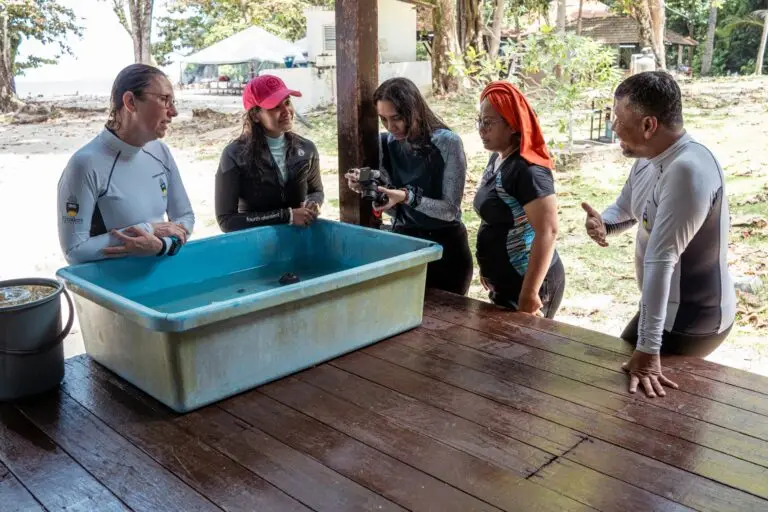
Following recovery, all artefacts underwent preliminary desalination treatment to prevent deterioration from salt accumulation after centuries of submersion in the marine environment. This essential conservation process will ensure the long-term preservation of these valuable cultural materials for future study and exhibition.
According to Mr. Baharim Mustapa, UMT’s Technical Director of Archaeological Diving and Scientific Diving Instructor, the participation of Tengku Puteri Utama Raja provided tremendous encouragement to the research team. Her active involvement demonstrated strong support for efforts to preserve and promote Malaysia’s maritime heritage.
Beyond its scientific achievements, the excavation further strengthened Pulau Bidong’s position as one of Malaysia’s leading maritime archaeological research sites. The programme also highlighted the commitment of researchers, government agencies, and international partners to safeguarding underwater cultural heritage at both national and regional levels.
The success of ASEAN Underwater Archaeological Meet Up 2025 is expected to elevate the profiles of UMT and the Department of National Heritage (JWN) as leaders in underwater archaeology and maritime heritage research. Looking ahead, UMT has approved the establishment of Marine Heritage (MAHER) under the Centre for Marine Conservation, Institute of Oceanography and Environment (INOS), marking a significant step towards advancing research, conservation, training, and public engagement in maritime and underwater cultural heritage (UCH).