Division 1: Ecosystem & Wildlife Conservation
This division focuses on ecosystem health, biodiversity conservation, and management of marine wildlife populations. Research and conservation efforts are organised into specialised units:
 Sea Turtle Research Unit (SEATRU)
Malaysia’s pioneering sea turtle conservation and research programme established to study population ecology, nesting behaviour, and threats to turtle survival.
Long-term monitoring at Chagar Hutang Turtle Sanctuary, Pulau Redang.
Community and volunteer engagement in sea turtle conservation.
Tagging, satellite tracking, and hatchery management research.
 Mangrove Research Unit (MARU)
Dedicated to the study, rehabilitation, and management of mangrove ecosystems.
Research on mangrove ecology, carbon storage, and blue carbon initiatives.
Restoration and replanting of degraded mangrove areas.
Collaboration with local communities for sustainable mangrove resource use.
 Coral Ecology Research Unit (CORE)
Focuses on the ecological dynamics, resilience, and restoration of coral reef ecosystems.
Coral reef health assessment and long-term monitoring in Malaysian waters.
Coral transplantation and reef rehabilitation programmes.
Studies on coral bleaching, biodiversity, and climate change impacts.
 Marine Endangered Species Unit (MES)
Addresses conservation issues related to threatened and protected marine fauna.
Research on marine mammals, sea snakes, and other vulnerable species.
Strandings response, necropsy, and data documentation.
Collaboration with national agencies for wildlife protection and management.
Division 2: Natural Heritage Conservation
This division integrates scientific, geospatial, and archaeological research to document and protect Malaysia’s natural and cultural marine heritage.
 Ocean Mapping & Geospatial Unit (OMG)
Leads the mapping and spatial analysis of marine and coastal environments.
Utilises multibeam sonar, UAVs, and satellite imagery for habitat and seabed mapping.
Develops geospatial databases for conservation planning and management.
Provides GIS and remote-sensing expertise for national and regional projects.
 Marine Heritage & Archaeology Unit (MAHer)
Dedicated to preserving and interpreting Malaysia’s underwater cultural heritage.
Surveys and documentation of shipwrecks and submerged cultural sites.
Conservation of maritime artefacts and historical remains.
Public outreach and education on the importance of marine heritage preservation.
Capabilities & Infrastructure
Field and laboratory facilities for ecological and geospatial research.
Dive and ROV support for underwater habitat assessments.
Specimen and data management systems under the South China Sea Repository and Reference Center (RRC).
Partnerships with government agencies, NGOs, and international conservation networks.
Impact & Outreach
Contributing to Malaysia’s marine biodiversity and conservation goals under national and international frameworks.
Supporting policy development and marine park management.
Empowering local communities through conservation training and awareness programmes.
Enhancing scientific literacy and stewardship of marine resources among students and the public.
Collaboration & People
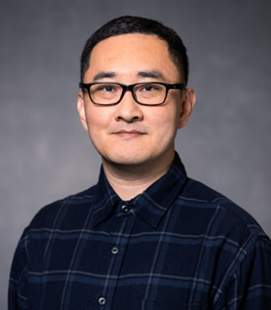
The Center for Marine Conservation brings together marine biologists, ecologists, archaeologists, and conservation practitioners under the leadership of Assoc. Prof. Dr. Mohd Uzair bin Rusli, working closely with INOS researchers and national stakeholders such as the Department of Fisheries Malaysia, DOFM, and marine NGOs.