Glorious Semester of TROPIMUNDO
at the UMT
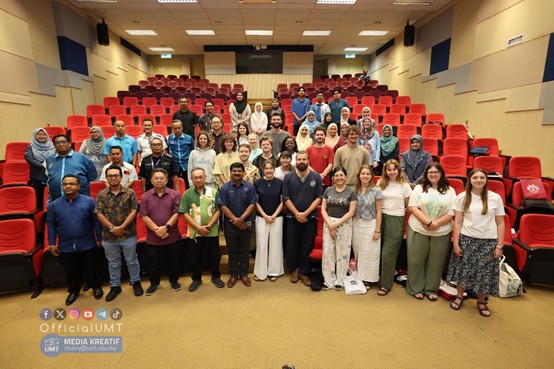
TROPIMUNDO students’ registration ceremony held at INOS on 13th of March 2025.
By Behara Satyanarayana (INOS)
The UMT has been receiving several international students of the Erasmus Mundus joint master’s degree in Tropical Biodiversity and Ecosystems (TROPIMUNDO) programme, every year for Semester 2 in Malaysia (since 2015). This six-month semester is always a rewarding experience for both students and faculty. While the excitement of the students lies with the opportunities to explore different marine and terrestrial ecosystems in one of the most megadiverse nations of the world, a first-time experience for many, the lecturers are eager to share their valuable knowledge through the classes and fieldwork. Meanwhile, the local UMT students are also enthusiastic to participate in the TROPIMUNDO fieldwork to gain extra practical knowledge/skills and help each other. This is a win-win situation with higher academic recognition for the UMT in the picture of international networking. For this year of 2025, the Institute of Oceanography and Environment (INOS) has welcomed 16 students (from 8 countries), of which one-third students have chosen various research topics to collect data for their (MSc) thesis works. All students successfully completed their academic curriculum and secured superior grades. In this context, the unwavering support of the UMT, as a full partner of the TROPIMUNDO consortium, remains crucial for allowing this inbound mobility programme to continue running seamlessly.
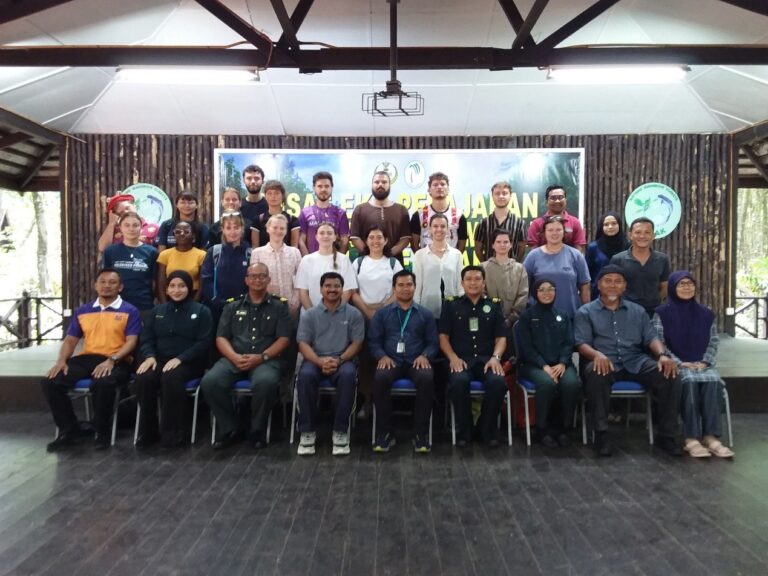
Mangrove Field School at the Matang Mangrove Forest Reserve (Perak) from 17th to 24th of April 2025.
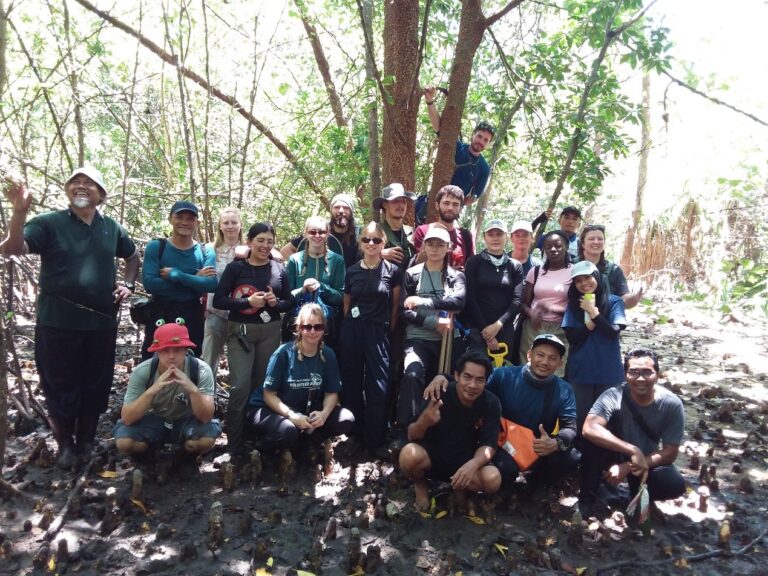
Mangrove Field School at the Setiu Wetlands (Terengganu) on 27th of April 2025.
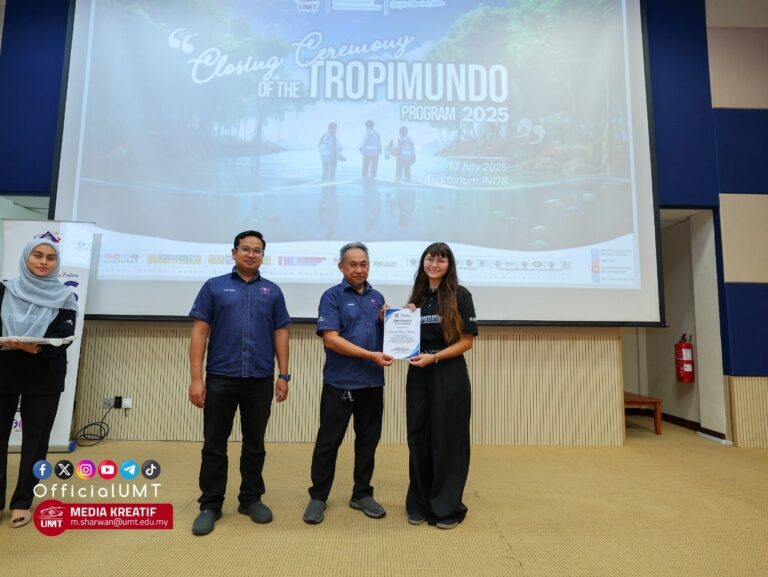
TROPIMUNDO students’ farewell ceremony held at INOS on 17th of July 2025
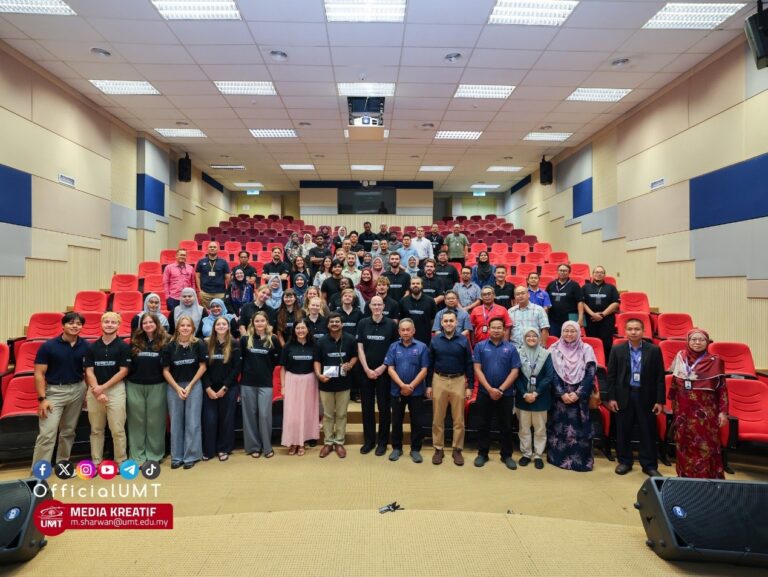
TROPIMUNDO students’ farewell ceremony held at INOS on 17th of July 2025.