MARE Syllabus

“Through this project we develop 3 specific syllabus. We want to create a unique and impactful contribution to our marine science curriculum and students learning experience under this new challenging era.”

Our Effort

Teaching
Collaboratively develop teaching portfolio that fully appreciate the engineering and management sides of marine and coastal environmental issues. And exposure students to cutting edge science and policy developments. All this requires smooth and institutionalised relations to the world of profession, easy access to international knowledge base, and to the databases of case studies in the region.

Facility
Provide adequate ICT solutions. Students need more structured guidance in policy- and internationally relevant research, integrated solutions for blended learning, individual & group learning portfolio, e-learning multimedia modules, e-science module for undergraduate and postgraduate courses

Content
Improve educational content, research and practical
materials related to the subject areaproject updates and deliverables, discussion area, survey facility and access to the eMARE e-learning platform

MARE Syllabus Content

  1. Tropical Oceanography
  2. Marine Resource Management
  3. Environment: Issues and Global Perspective

For additional information, please refer to this website :

https://mareumt00.wixsite.com/mare-umt

*The European Commission’s support for the production of this publication does not constitute an endorsement of the contents, which reflect the views only of the authors, and the Commission cannot be held responsible for any use which may be made of the information contained therein.


Abstract

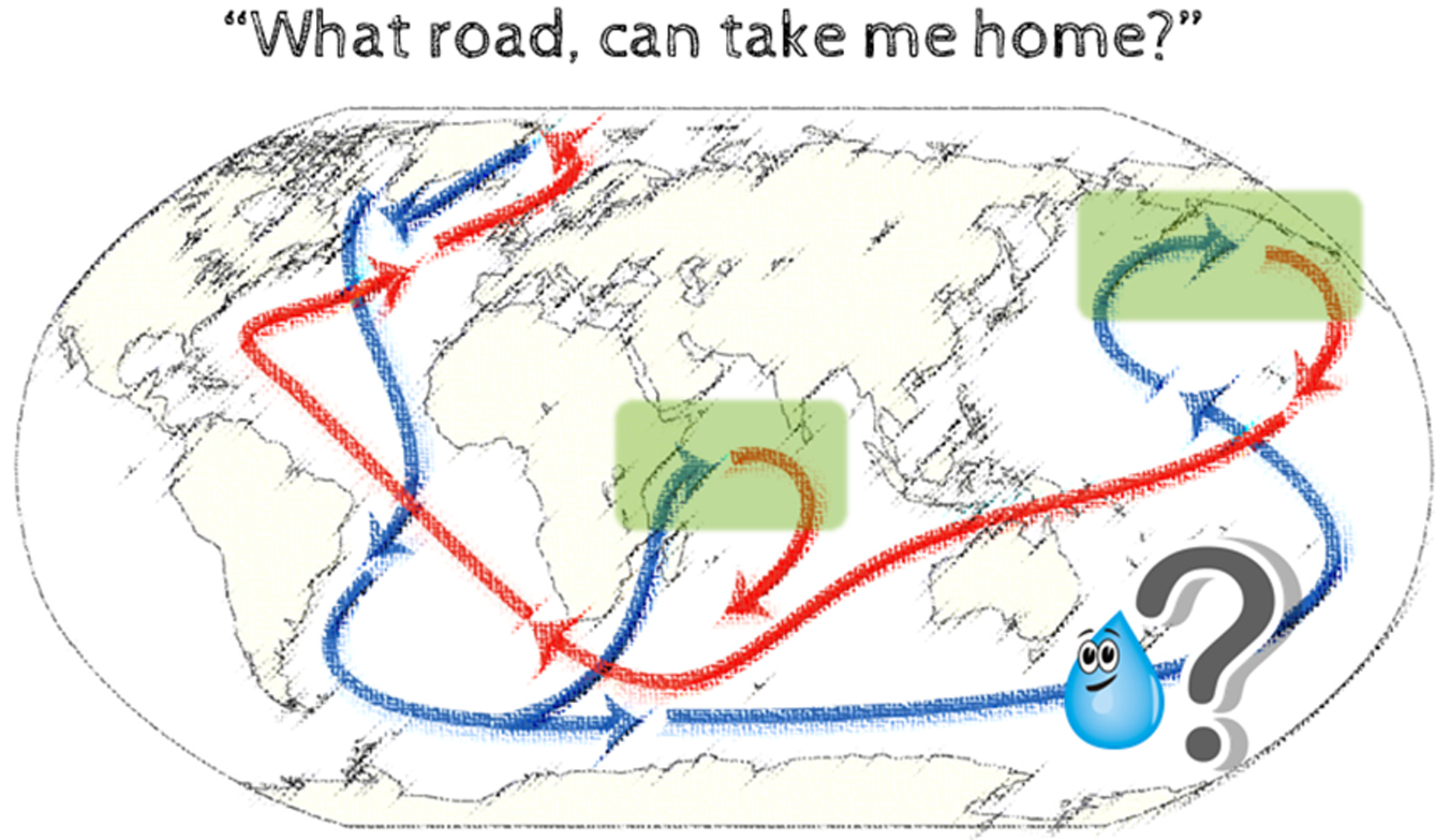
While the sinking formation of Antarctic Bottom Water (AABW) is well understood, how this bottom water "returns home" through upwelling within ocean basins, particularly the Indo-Pacific, remains shrouded in uncertainty. In the 1960s, Munk’s classic "Abyssal Recipes" theory sought to explain these abyssal flows, yet later observations exposed two significant conflicts with real-world data. In 2016, Ferrari, McDougall, and colleagues proposed the "Towards a New Abyssal Recipe" framework, introducing bottom boundary layer (BBL) upwelling to address Munk’s inconsistencies. Drawing on recent evidence of a potential cooling trend in the deep ocean, this talk revisits these debates, offering a fresh interpretation of Munk’s discrepancies and proposing a new mechanism for abyssal upwelling in the Indo-Pacific. It contributes to the ongoing quest to unravel how bottom waters complete their global journey.

Presented by: Prof. Dr. HAN Lei
Affiliation: China-ASEAN College of Marine Science, Xiamen University, Malaysia
Address: Sepang, Selangor, Malaysia


This will close in 0 seconds

MARE

MARE is an Erasmus+ CBHE project (2020 – 2023) aims to develop adaptive, end-user-oriented and internationally-relevant curricula to support sustainable management and governance of coastal and adjacent marine areas of partner countries Malaysia and Vietnam.

For additional information, please refer to this website :

https://mareumt00.wixsite.com/mare-umt