
By Saifullah Arifin Jaaman

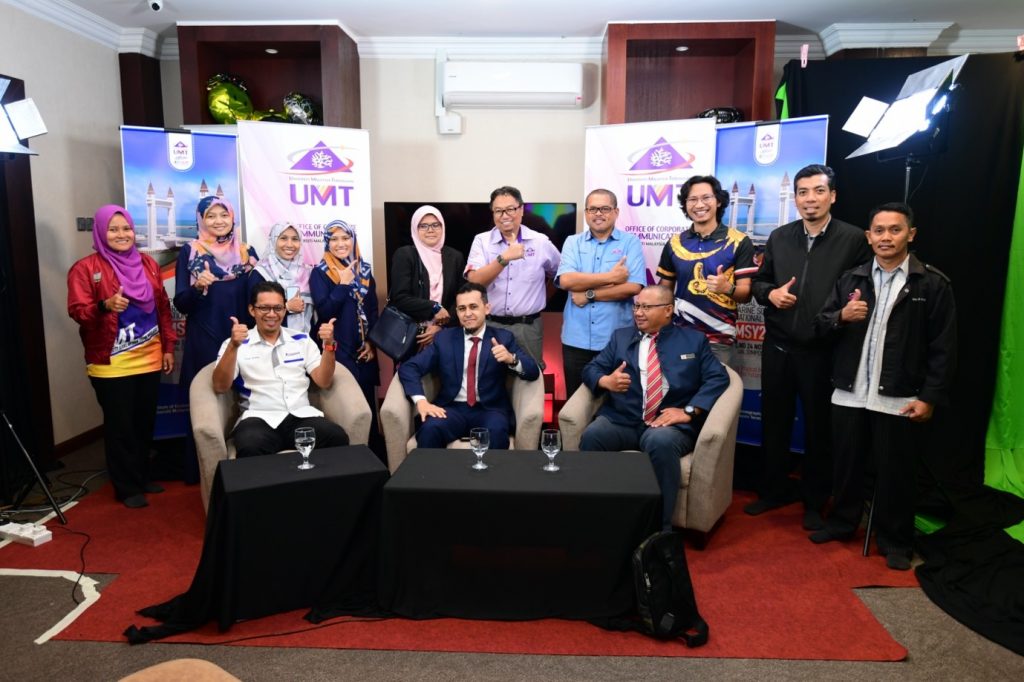
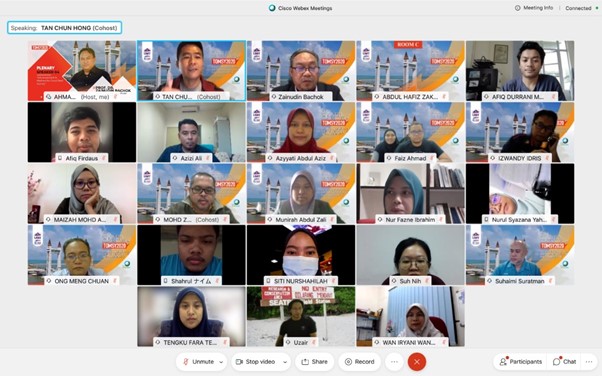
On 23-24 November 2020, INOS held the 2nd. Tropical Ocean and Marine Sciences International Symposium (TOMSY2020. This fully virtual symposium was officiated by the Honourable Professor Dato’ Dr. Nor Aieni Haji Mokhtar, Vice Chancellor of Universiti Malaysia Terengganu.

TOMSY2020 brought together a wide array of scientists from academia, government and industry worldwide, as far as from Venezuela, who were passionate in the field of Ocean and Marine Sciences, in particular. It involved 18 sessions with 101 presentations and six invited speakers on fascinating multi-disciplinary topics, including Coastal and Shelf Seas Dynamics, Biological Oceanography, Ocean Biogeochemistry, Marine Pollution, Marine Endangered Species, and a Special Plenary address on Blue Economy from an industry perspective.

Collectively, the symposium sessions and the numerous plenary speakers highlighted the importance of sustaining a healthy ocean and protecting the marine environment and its resources. Each session is in line with the symposium theme “Enhancing Tropical Marine and Ocean Knowledge for Future Sustainability” as reflected in the Sustainable Development Goals (SDGs) or Agenda 2030, especially SDG 14 that underpins the aim “to conserve and sustainably use the oceans, seas and marine resources for sustainable development.” Notably, the conference drew attention to the significance of scientific research for conserving marine ecosystems and their biodiversity.

It is hoped that the symposium has inspired participants to contribute more to the betterment of the marine environment in their own capacity. Even though the contribution may be small, but it is still valuable. Until we meet again in TOMSY2022. Thank you!


Associate Prof. Dr. Saifullah Arifin Jaaman

Chairperson, TOMSY2020

Abstract

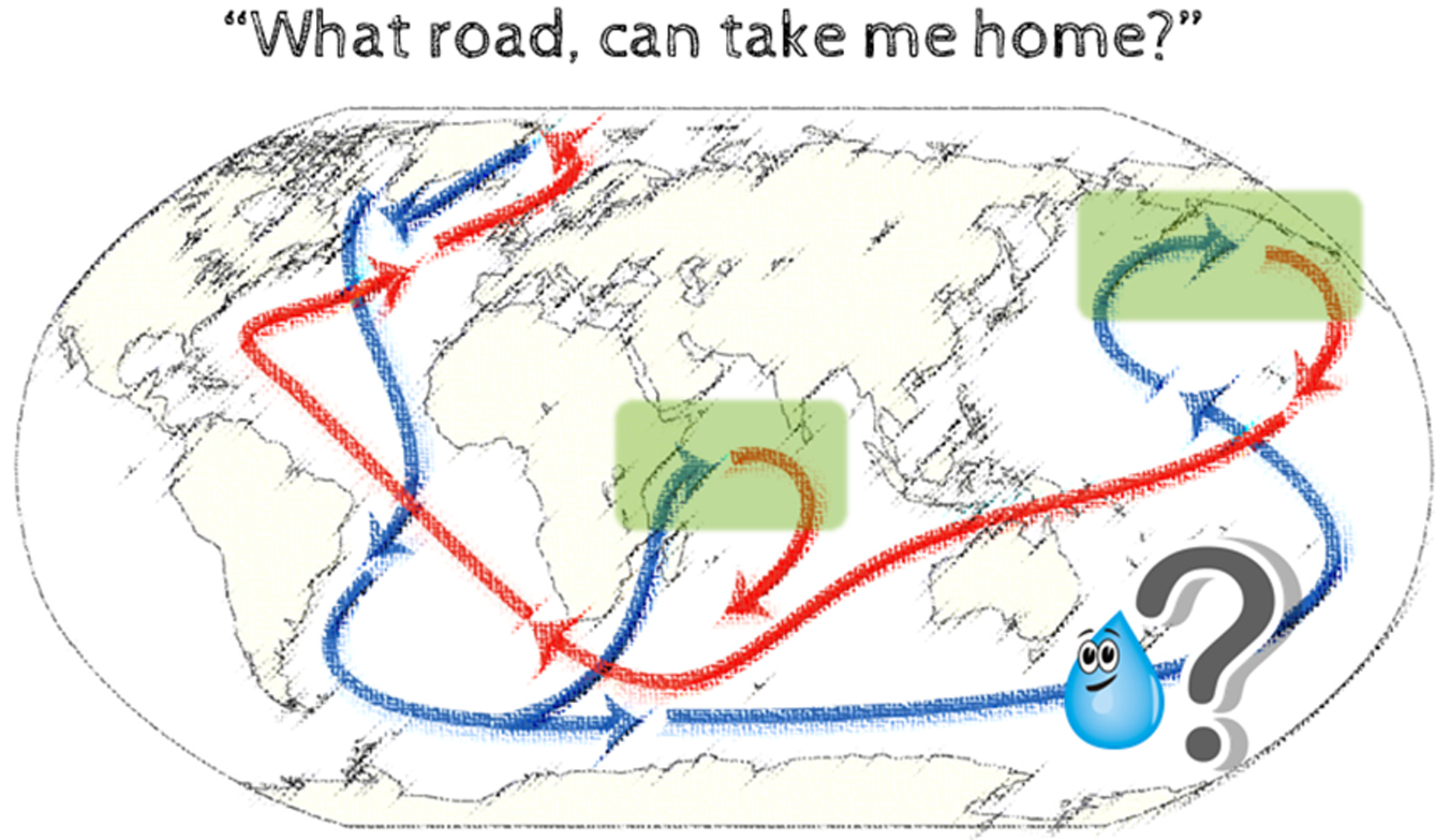
While the sinking formation of Antarctic Bottom Water (AABW) is well understood, how this bottom water "returns home" through upwelling within ocean basins, particularly the Indo-Pacific, remains shrouded in uncertainty. In the 1960s, Munk’s classic "Abyssal Recipes" theory sought to explain these abyssal flows, yet later observations exposed two significant conflicts with real-world data. In 2016, Ferrari, McDougall, and colleagues proposed the "Towards a New Abyssal Recipe" framework, introducing bottom boundary layer (BBL) upwelling to address Munk’s inconsistencies. Drawing on recent evidence of a potential cooling trend in the deep ocean, this talk revisits these debates, offering a fresh interpretation of Munk’s discrepancies and proposing a new mechanism for abyssal upwelling in the Indo-Pacific. It contributes to the ongoing quest to unravel how bottom waters complete their global journey.
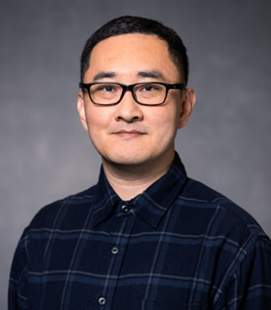
Presented by: Prof. Dr. HAN Lei
Affiliation: China-ASEAN College of Marine Science, Xiamen University, Malaysia
Address: Sepang, Selangor, Malaysia


This will close in 0 seconds